Long Working Vibration Reduction Operation Methods for Large Wheel Loaders
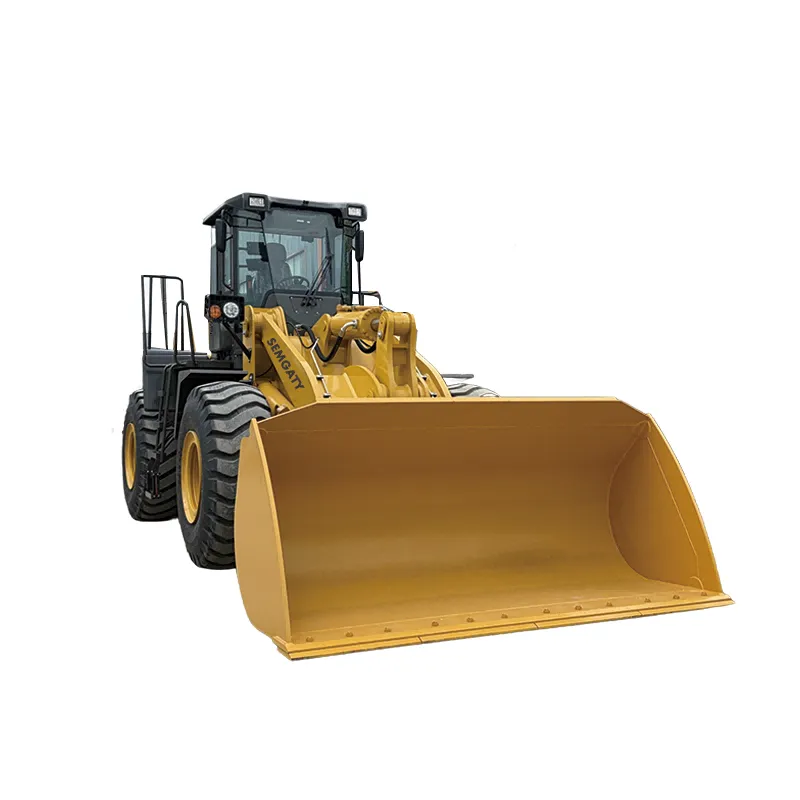
Long-hour continuous operation of construction loading equipment generates persistent mechanical vibration from ground friction, hydraulic impact and material loading pressure. Prolonged unbuffered vibration accelerates component fatigue, loosens assembly structures and increases operational wear across core mechanical parts. Effective vibration reduction techniques stabilize overall machine balance, extend service life of accessories and maintain consistent construction efficiency in full-shift working scenarios.
Loader with standardized shock absorption operation modes maintains stable structural state during prolonged engineering tasks. Professional vibration control methods greatly reduce fatigue loss and fault probability of industrial
Loader in long-cycle construction.
Reasonable traveling speed adjustment serves as the most fundamental vibration reduction measure for long-duration operation. Excessive moving speed amplifies jitter amplitude on uneven ground and creates continuous impact force on vehicle frames and chassis structures. Moderate and uniform traveling speed weakens bump transmission from rugged ground to whole machine systems. Stable speed output minimizes cyclic vibration frequency during repeated advancing and retreating movements. Scientific speed management protects structural tightness and component stability for standard
wheel loader machine in full-day continuous construction. Steady speed control effectively lowers long-term vibration damage for commercial
wheel loader machine working on complex ground surfaces.
Optimized bucket contact and material shoveling manners relieve instantaneous vibration impact. Violent bucket collision with hard stockpiles and forced material cutting produce strong instant vibration spread across vehicle bodies. Slow and gradual bucket contact with material layers buffers rigid impact force during initial digging stages. Even material filling inside buckets balances overall load distribution and avoids unilateral stress concentration. Gentle shoveling and buffered loading actions reduce periodic vibration damage for heavy-duty big wheel loader in high-frequency long-hour tasks. Balanced operating gestures stabilize mechanical stress and vibration amplitude of large-scale big wheel loader throughout prolonged working cycles.
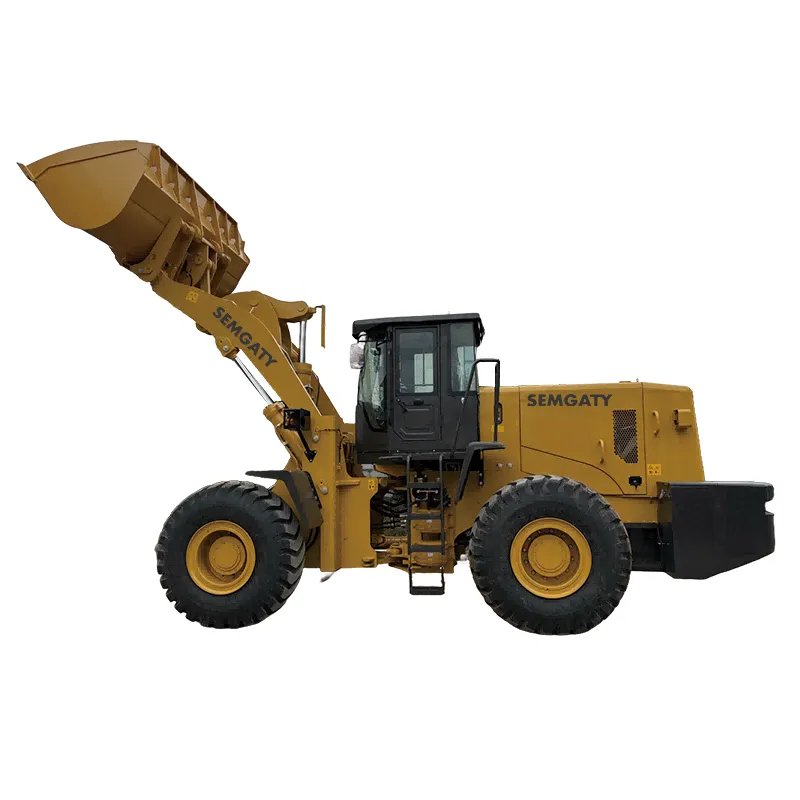
Hydraulic system gentle operation reduces internal pressure vibration and hydraulic jitter. Rapid handle manipulation creates sharp hydraulic pressure fluctuation and unbalanced flow output inside pipeline structures. Frequent pressure surge triggers regular hydraulic vibration and transfers vibration force to whole machine frames. Slow and uniform handle operation maintains stable hydraulic flow and gradual pressure change. Smooth hydraulic power transmission eliminates high-frequency jitter caused by abrupt parameter changes. Standard hydraulic operation habits effectively suppress vibration sources inside core power systems during long working hours.
Regular chassis fastening and lubrication maintenance weakens structural vibration amplification. Long-term operational vibration loosens bolt groups, hinge pins and connecting parts on chassis assemblies. Loose structural gaps magnify minor jitter into obvious mechanical resonance and whole-body vibration. Comprehensive bolt tightening and gap inspection eliminate assembly looseness before daily operation. Full lubrication of hinge points and rotating structures reduces dry friction vibration and friction noise. Well-maintained chassis structures inhibit vibration amplification and keep stable mechanical coordination for long-hour operation.
Tire pressure standardization and tread maintenance optimize ground buffering performance. Abnormal tire pressure causes uneven ground bearing and irregular elastic buffering effect during traveling. Excessively high pressure reduces tire cushioning performance and enhances rigid ground impact. Insufficient pressure leads to tire deformation and unbalanced body jitter on bumpy roads. Strict calibration of tire pressure according to factory standards maintains uniform ground contact force. Complete tread patterns and clean tire surfaces guarantee consistent buffering capacity to weaken vibration transmission in long-distance shuttle operation.
Balanced load distribution eliminates partial vibration and body tilt jitter. Unilateral material accumulation or uneven bucket loading creates offset gravity center during traveling and lifting. Unbalanced load status triggers regular left-right swing and up-down jitter in continuous operation. Uniform material arrangement inside buckets and symmetrical load bearing maintain horizontal balance of whole equipment. Reasonable load control avoids eccentric stress vibration and reduces repeated structural impact in long-cycle loading work.
Intermittent operation rest and stress release reduce cumulative vibration fatigue. Continuous nonstop working leads to continuous resonance superposition and internal structural fatigue accumulation. Accumulated vibration fatigue aggravates component looseness and micro deformation of frame structures. Reasonable short shutdown intervals allow natural structural reset and stress dissipation. Sufficient mechanical buffer periods suppress progressive vibration damage and stabilize overall mechanical performance for subsequent continuous operation.
Working route optimization reduces repeated bump vibration on complex terrain. Frequent crossing of rugged areas, sunken ground and residual material piles creates continuous irregular vibration impact. Pre-planned smooth traveling routes avoid concentrated bump sections and reduce vibration frequency. Flat and stable traveling paths cut unbalanced mechanical jitter and lower long-term structural loss. Scientific route arrangement greatly improves operation comfort and mechanical stability in full-shift construction.
Buffer operation during vehicle docking and unloading relieves rigid impact vibration. Fast docking and sudden bucket dumping generate strong instant impact and short-term high-amplitude vibration. Slow approaching speed and gradual bucket turnover buffer contact force with carrier vehicles. Controlled dumping speed reduces material impact and body shaking during unloading processes. Buffered docking and discharging modes effectively eliminate intensive vibration peaks in long-term cyclic loading work.
Regular shock absorption component inspection maintains original buffering performance. Shock absorption rubber blocks, damping gaskets and hydraulic buffer structures undertake major vibration elimination work. Long-hour operation causes aging, hardening and deformation of buffer accessories. Timely detection and replacement of failed damping parts restore standard vibration buffering capacity. Complete shock absorption assemblies block vibration transmission and protect core mechanical structures from long-term fatigue damage.
Standardized long-term vibration reduction operation improves equipment durability and construction stability. Combination of speed control, hydraulic buffering, chassis maintenance and route optimization forms complete vibration suppression systems. Effective vibration reduction minimizes component looseness, structural deformation and abnormal wear. Stable mechanical operation states lower failure rate and maintenance costs for long-hour construction projects. Scientific shock absorption operation methods maximize working stability and service life of all loading machinery in prolonged industrial operation.