Mainstream Procurement Demands for Construction Loaders in Developing Countries
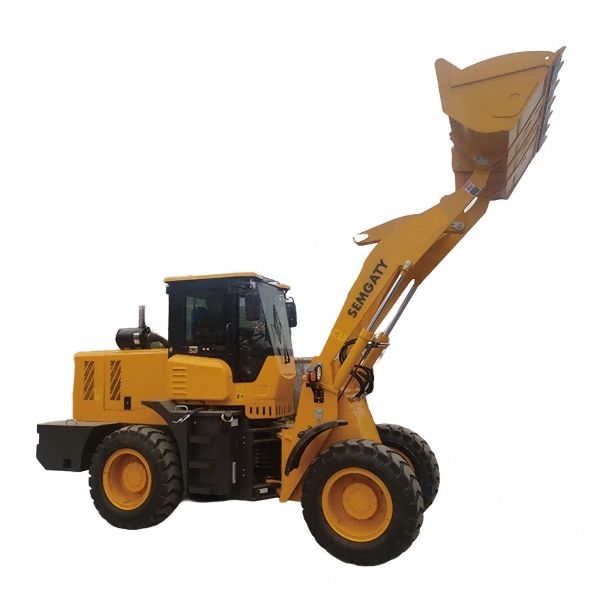
Infrastructure expansion constitutes core driving force for economic growth across developing regions. Continuous investment in rural road construction, water conservancy renovation, urban community upgrading and farmland development fuels steady market demand for small and medium construction machinery.
articulating wheel loader and
compact front end loader gain wide popularity in emerging markets for flexible operation, affordable pricing and multi-scenario adaptability. Local engineering institutions, government procurement departments and private contractors form stable purchasing groups with standardized and targeted machinery selection standards.
Cost-effective procurement orientation dominates machinery purchasing decisions in developing countries. Most regional engineering projects feature limited budget allocation and strict cost control mechanisms. Construction teams prioritize equipment with low purchase expenditure, low fuel consumption and simple maintenance conditions. High-end over-configured machinery with excessive functional surplus rarely matches local project operation modes. Mechanical products with balanced basic performance and competitive pricing occupy dominant market shares in regional procurement markets.
Strong terrain adaptation capacity serves as essential technical indicator for local loader selection. Large areas of developing regions feature unpaved roads, muddy ground, rugged slopes and uneven construction sites. Ordinary machinery with single terrain adaptability faces frequent slipping, sinking and shutdown problems during field operation. Loaders with optimized chassis structure, enhanced traction performance and flexible steering design better fit complex and variable construction environments of emerging markets.
Multi-functional expansion capability meets diversified and scattered engineering demands. Infrastructure projects in developing regions usually integrate multiple construction procedures including earth stacking, material transportation, site cleaning and road leveling. Single-function machinery increases overall equipment procurement quantity and idle rate. Compact loaders supporting quick replacement of multiple accessories effectively reduce project input and improve comprehensive mechanical utilization efficiency for small-scale mixed construction tasks.
compact front loader becomes mainstream procurement choice for grassroots municipal and rural engineering projects. Lightweight body structure and flexible moving performance adapt to narrow rural passages and densely distributed residential areas. Standard load parameters and basic hydraulic functions fully satisfy daily demands of farmland renovation, village road maintenance and small-scale material handling. Low failure rate and convenient maintenance modes match limited technical service conditions in remote regional areas.
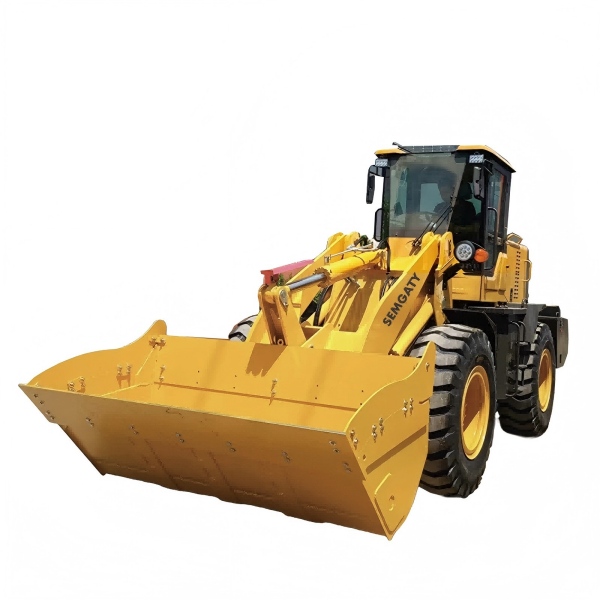
Energy-saving and low-consumption design complies with local long-term operation demands. Unstable fuel supply conditions and high energy operation costs in developing regions raise higher requirements for machinery fuel economy. Modern compact loaders equipped with optimized combustion engines and reasonable power matching systems reduce unit fuel consumption. Energy-saving equipment effectively cuts down daily operation expenditure and creates sustainable economic benefits for long-duration engineering construction.
Simple maintenance and accessible spare parts supply guide local procurement preferences. Imperfect industrial supporting systems in most developing regions restrict rapid acquisition of professional maintenance services and original accessories. Machinery with simple structural design, universal wearing parts and low maintenance difficulty reduces post-operation management pressure. Equipment with mature and universal accessory standards avoids long-term shutdown losses caused by spare parts shortage.
articulating wheel loader gains wide recognition for complex terrain construction in mountainous and suburban developing areas. Unique articulated steering structure achieves flexible turning with small turning radius to adapt to curved mountain roads and narrow construction zones. Reinforced anti-slip walking systems and balanced gravity design guarantee stable operation on muddy, sloped and rugged grounds. Reliable cross-country performance supports large-scale land rectification and traffic infrastructure projects in complex geographical environments.
Basic emission compliance meets regional market access standards. Most developing countries implement moderate environmental protection policies instead of ultra-stringent European and American emission rules. Loader products with qualified conventional emission levels and stable exhaust treatment systems smoothly pass local customs clearance and market verification. Reasonable emission configuration controls manufacturing cost while meeting regional environmental supervision requirements, forming high market matching degree.
Durable and wear-resistant structural design adapts to rough construction operation habits. Field construction management in developing regions lacks refined operation standards and regular equipment maintenance schedules. Loaders with thickened steel frames, reinforced bucket structures and high-strength walking parts resist frequent impact and friction damage. Anti-wear and anti-deformation structural characteristics extend overall service life under rough and high-intensity working conditions.
compact front end loader achieves perfect balance of performance and economy for urban and suburban medium-sized engineering projects. Moderate body tonnage and adjustable load capacity adapt to both urban road maintenance and suburban earthwork development. Optimized hydraulic control systems improve operation precision and reduce material waste during construction. Comprehensive performance advantages satisfy standardized construction demands of growing urban infrastructure in developing economies.
Suitable customized configurations cater to localized construction characteristics. Procurement markets in developing countries reject generalized over-standard configurations and favor targeted localized optimization. Adjustable chassis height, enhanced dustproof performance and thickened bucket accessories fit local dusty, humid and complex construction environments. Reasonable personalized upgrades improve equipment field adaptability without generating unnecessary cost burden.
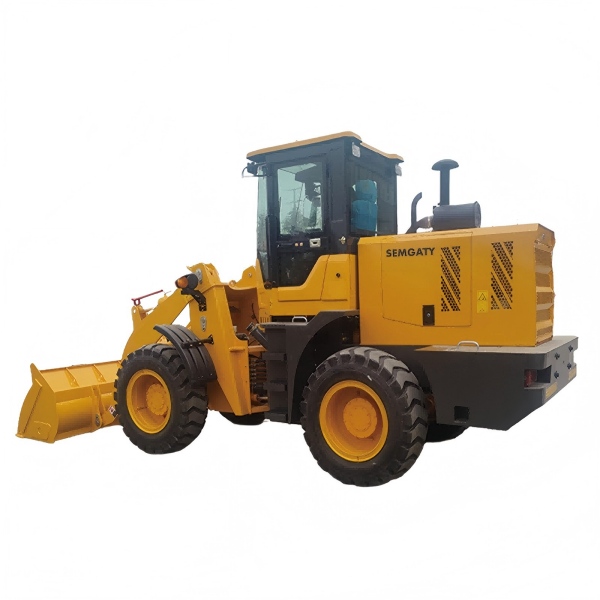
Stable batch quality consistency supports large-scale government procurement projects. Public infrastructure bidding projects in developing countries require unified equipment parameters, consistent appearance and standardized performance. Qualified manufacturing enterprises with complete production systems provide batch products with stable quality. Uniform equipment standards facilitate unified team operation, unified maintenance management and standardized project construction progress.
Flexible trade terms and after-sales policies influence final procurement cooperation intentions. Local purchasers prefer suppliers supporting flexible payment cycles, long-term warranty services and overseas technical training. Systematic after-sales guidance helps local operators master equipment operation and maintenance skills. Sustainable cooperation mechanisms promote long-term popularization and application of compact loaders in emerging engineering markets.
Tiered model selection forms differentiated procurement system in developing markets. Mass rural grassroots projects adopt stable and cost-effective
compact front loader to complete basic engineering tasks. Complex terrain and mountain infrastructure projects prioritize high-adaptability
articulating wheel loader to ensure construction safety and efficiency. Urban medium-sized public projects rely on balanced-performance
compact front end loader to support diversified standardized construction demands.
Continuous market iteration drives upgrading of loader procurement demands in developing countries. Rising economic levels and improving construction standards gradually raise requirements for equipment intelligence, comfort and environmental performance. Machinery manufacturers need to continuously optimize product structure, balance cost control and performance upgrading, and launch targeted products for emerging markets. In-depth insight into local mainstream procurement demands helps brands stabilize market share and expand influence in global emerging infrastructure construction fields.