

Proper Startup and Maintenance Guide for Small Wheel Loader Equipment
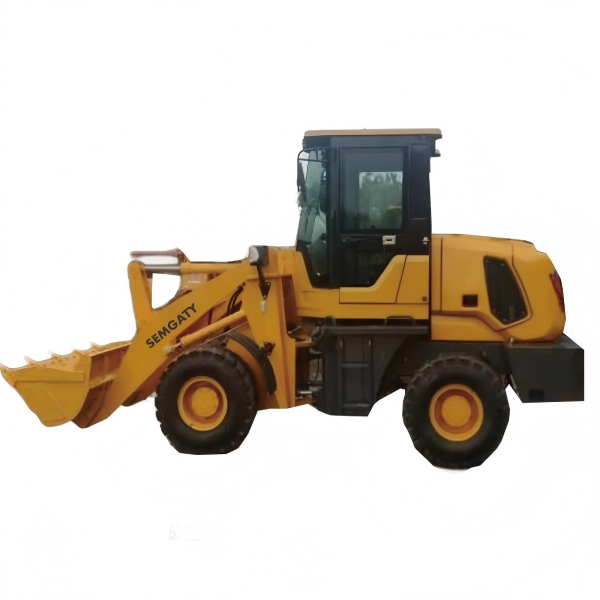
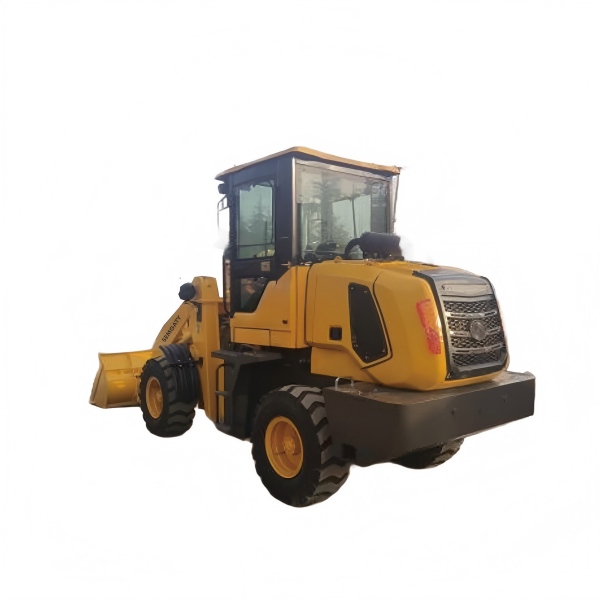
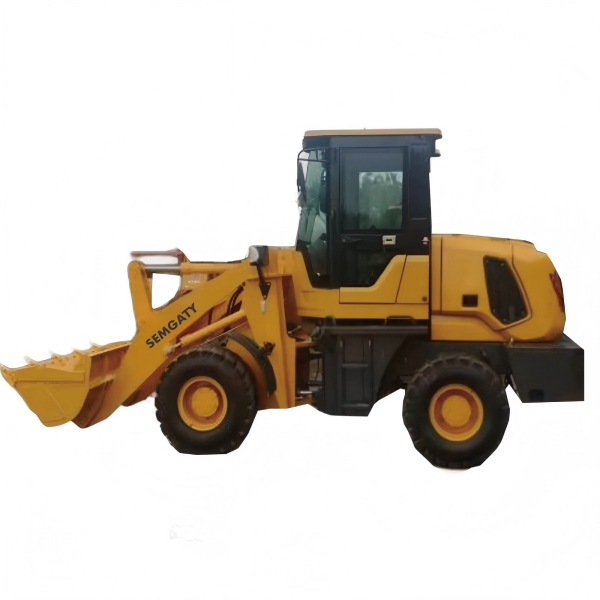
Small Wheel Loader Plays an Important Role in Construction and Agriculture
The small wheel loader has become one of the most widely used machines in construction sites, farms, and landscaping projects. A small articulating front end loader offers strong loading capacity while maintaining excellent maneuverability in narrow work environments. Many operators choose a compact articulating loader because articulated steering design allows efficient movement even in limited working areas.
A small wheel loader supports multiple tasks including soil transportation, material loading, farm feed handling, and site cleaning. The flexible structure of a small articulating front end loader improves working efficiency in projects that require frequent movement and quick turning radius.
Due to the compact size and versatile performance, a compact articulating loader has become an essential machine for contractors who require reliable equipment for daily operations.
Incorrect Startup Habits May Damage Small Wheel Loader Engines
Although a small wheel loader is easy to operate, improper startup habits may cause mechanical damage. Some operators attempt to accelerate work immediately after engine ignition. Strong throttle input applied to a small articulating front end loader directly after startup may increase engine speed too quickly.
A compact articulating loader engine remains at low temperature during the first moments after startup. Lubricating oil inside a small wheel loader has limited flow capability before engine temperature increases. Proper lubrication inside a small articulating front end loader requires several seconds for oil circulation.
Rapid acceleration applied to a compact articulating loader before lubrication becomes effective may create temporary friction between moving engine components. Such friction increases wear on pistons, crankshafts, and connecting rods inside a small wheel loader engine.
Long-term improper operation can reduce durability and shorten the service life of a small articulating front end loader.
Recommended Startup Procedure for Compact Articulating Loader
Following correct startup procedures protects the mechanical system of a compact articulating loader and improves operational stability.
Operators should start the engine of a small wheel loader and allow the engine to run at idle speed for several minutes. Idle operation allows lubricating oil to circulate through the entire engine system of the small articulating front end loader.
Gradual throttle increase helps the compact articulating loader reach operating temperature safely. Smooth engine speed adjustment protects key mechanical components within the small wheel loader power system.
Light-duty operation should begin before heavy loading work. A small articulating front end loader that completes proper warm-up operation performs more efficiently and maintains longer engine life.
Daily Maintenance Helps Extend Small Wheel Loader Lifespan
Routine inspection plays an important role in maintaining the reliability of a small wheel loader. Operators should regularly examine lubrication levels, coolant condition, and hydraulic oil status in a compact articulating loader.
Air filter cleaning improves engine efficiency for a small articulating front end loader operating in dusty construction environments. Tire pressure inspection ensures stable mobility for a small wheel loader working on uneven ground.
Hydraulic hose inspection and bolt tightening also help maintain safe operation for a compact articulating loader. Preventive maintenance reduces downtime and supports long-term productivity for equipment owners.
Application Advantages of Small Articulating Front End Loader
A small articulating front end loader provides excellent versatility in many industries. Construction projects rely on a small wheel loader for transporting gravel, sand, and construction materials. Agricultural operations benefit from a compact articulating loader when moving feed, fertilizer, or soil.
The articulated steering system of a small wheel loader enables flexible movement in tight working environments. Operators often select a small articulating front end loader for urban construction projects where space limitations require compact machines.
High mobility and efficient loading performance allow a compact articulating loader to perform tasks traditionally handled by larger machines.
Explore More Construction Machinery Equipment
Professional machinery manufacturers provide multiple equipment categories designed for construction and agricultural operations. Visitors can explore detailed product specifications through the following pages:
Each product page introduces different models of small wheel loader, small articulating front end loader, and compact articulating loader designed for various jobsite requirements.
Proper Operation Ensures Long-Term Performance of Compact Articulating Loader
Correct operating methods directly influence the service life of a small wheel loader. Avoiding aggressive throttle input during engine startup protects the powertrain of a small articulating front end loader.
Regular maintenance combined with proper warm-up procedures allows a compact articulating loader to maintain stable performance throughout long working cycles. Equipment operators and construction companies benefit from lower maintenance costs and improved productivity when operating a properly maintained small wheel loader.
A well-maintained small articulating front end loader remains a reliable partner for construction and agricultural operations worldwide.