Used Wheel Loader Buying Guide: Risk Identification and Selection Skills
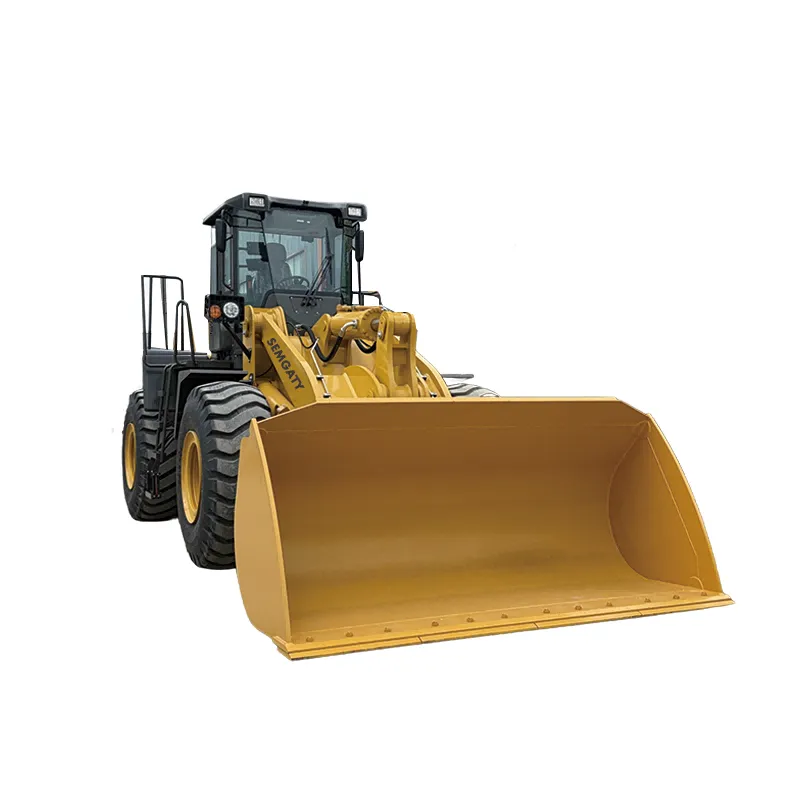
Procurement of used construction machinery helps engineering teams control investment budgets and shorten equipment deployment cycles. Second-hand wheel loaders feature flexible pricing, sufficient market supply and fast delivery advantages for small and medium-scale construction projects. Complex market circulation channels lead to mixed equipment quality, hidden fault hazards and inconsistent component matching states. Professional risk identification and scientific selection skills effectively filter defective machinery and ensure reasonable investment returns.
Loader with complete original structure and standard working records delivers stable operational performance for long-term secondary service. Systematic inspection methods improve procurement accuracy and practical value of second-hand industrial
Loader in machinery trading markets.
Overall frame and structural detection serves as the primary screening step for second-hand machinery selection. Qualified used equipment retains original frame flatness, uniform welding traces and complete structural integrity. Serious frame deformation, repaired welding cracks and artificially polished structural scars indicate long-term overload operation or collision damage. Careful observation of boom connection positions, chassis bearing structures and bucket mounting bases reveals hidden structural repair traces. Unmodified original frames guarantee stable bearing capacity and prolonged service life after secondary procurement. Strict structural screening eliminates structurally damaged and rebuilt units of standard wheel loader machine from procurement lists. Frame integrity assessment ensures reliable structural foundation and working stability of second-hand commercial wheel loader machine for repeated engineering operation.
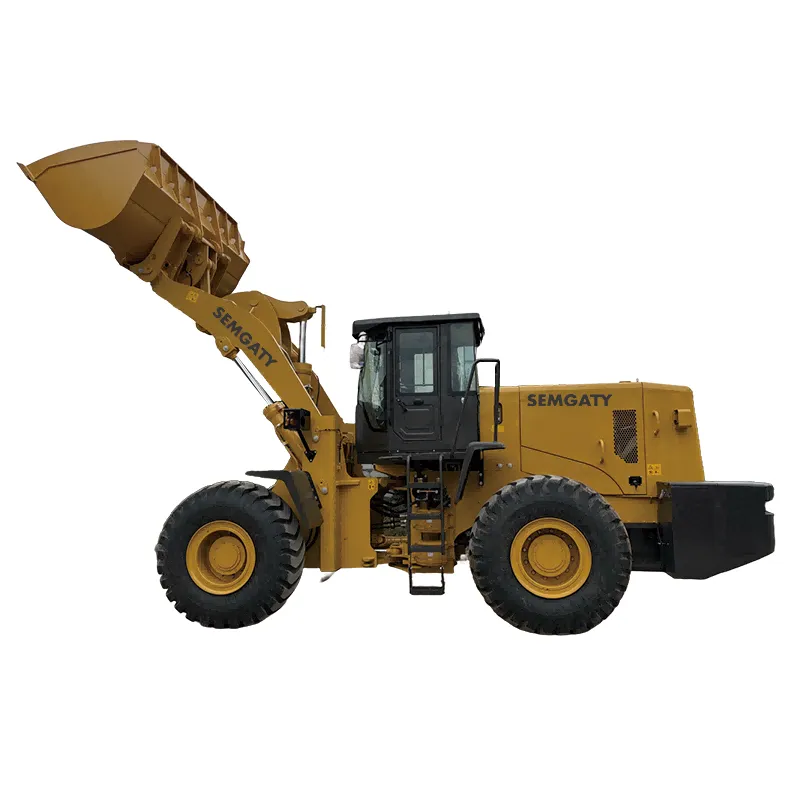
Core power system inspection identifies engine aging and refurbishment risks. Engine conditions directly determine equipment power performance, fuel consumption level and long-term fault rate. Experienced purchasers check exhaust color, running noise and idle stability during no-load operation. Uniform exhaust without abnormal black smoke or blue smoke proves complete combustion and normal internal cylinder states. Smooth and stable engine running sound without messy friction noise indicates good internal component coordination. Complete factory labels and original parameter data avoid refurbished power assemblies and modified engine configurations. Precision power detection filters aging power units and guarantees reliable dynamic performance of heavy-duty
big wheel loader after purchase. Systematic engine assessment maintains stable working efficiency and low maintenance cost of large-scale
big wheel loader in secondary utilization scenarios.
Hydraulic system testing judges operational flexibility and internal wear degree. Hydraulic assemblies control bucket lifting, dumping and boom stretching movements throughout all working processes. Continuous no-load and load operation tests check action smoothness, response sensitivity and pressure stability. Slow hydraulic response, jittery movement and slight oil leakage represent typical aging and wear problems of internal sealing parts. Pipeline inspection covers joint tightness, oil pipe surface integrity and replacement traces of hydraulic accessories. Uniform hydraulic pressure output and synchronized mechanical actions reflect unmodified original hydraulic matching states. Comprehensive hydraulic testing avoids frequent maintenance and operational faults in later construction stages.
Chassis and traveling system evaluation eliminates hidden traveling safety risks. Tire wear degree, tread uniformity and rubber hardness reflect actual working intensity of equipment. Consistent tire abrasion states rule out long-term eccentric load and unbalanced chassis stress. Bolt fastening degree, hinge lubrication state and chassis flatness further verify daily maintenance quality. Worn tires, loose chassis parts and deformed walking structures increase traveling failure probability and onsite safety hazards. Detailed chassis inspection effectively judges long-term working habits and wear loss of second-hand loading machinery.
Working hour and service record verification prevents data falsification risks. Modified working hour data represents common deceptive means in second-hand machinery transactions. Professional detection tools check engine internal operation records, system background data and maintenance log integrity. Complete maintenance records with regular oil replacement, component inspection and fault repair traces reflect standardized daily management. Mismatched working hours and equipment aging degrees indicate artificial data adjustment and abnormal usage history. Authentic operational data provides credible reference for equipment valuation and subsequent service cycle prediction.
Appearance and accessory inspection identifies assembly replacement and refitting traces. Original factory equipment features uniform paint color, consistent accessory specifications and complete standard parts. Local repainting, inconsistent color transition and new accessory mismatches expose partial component replacement and structural refitting. Bucket teeth, wear plates and pin shaft conditions reflect actual working frequency and load intensity. Uniform accessory matching and original assembly states ensure coordinated mechanical operation and convenient later maintenance. Appearance screening assists purchasers in distinguishing original equipment from assembled or refurbished products.
Load trial operation verifies comprehensive working performance of second-hand units. Static inspection completes preliminary risk screening while dynamic load testing exposes potential hidden faults. Moderate load shoveling and lifting tests check power output stability and hydraulic system bearing capacity. Stable operation without abnormal vibration, harsh noise or oil leakage proves qualified overall assembly quality. Sustained cyclic operation eliminates intermittent faults that fail to display in static detection. Standard trial operation modes fully verify practical working capacity and structural coordination of used wheel loaders.
Configuration matching inspection avoids low-value outdated equipment selection. Different project types require matched equipment power, bucket capacity and functional configurations. Old low-power configurations fail to meet high-efficiency construction demands of modern large-scale engineering projects. Lack of intelligent monitoring, energy-saving adjustment and safety auxiliary functions limits equipment application scope. Reasonable configuration selection matches local construction scenarios and project intensity to maximize equipment utilization rate. Targeted configuration judgment improves long-term economic benefits of second-hand machinery procurement.
Brand and market reputation reference optimizes selection decision-making. Machinery brands with mature manufacturing technology provide stable structural quality and convenient accessory supply. Popular mainstream models own sufficient aftermarket accessories and professional maintenance support. Niche outdated models face difficult accessory matching and high maintenance costs in later operation. Comprehensive brand evaluation and market retention data help purchasers avoid eliminated machinery types. Brand-based selection strategies reduce later maintenance difficulty and extend effective service life of second-hand equipment.
Transaction channel and document verification prevents trading disputes and asset risks. Formal trading platforms and qualified merchants provide complete equipment source certificates, transfer documents and after-sales agreements. Complete legal documents avoid mortgaged equipment, accident machinery and illegally sourced units. Standard transaction processes guarantee legitimate asset ownership and safe equipment use. Reliable trading channels provide basic after-sales protection and reduce invisible procurement risks for engineering teams.
Cost-performance balance judgment maximizes procurement investment value. Comprehensive evaluation integrates equipment age, working hours, component wear, configuration level and market pricing. Excessively low-priced units usually carry hidden structural faults, data falsification or severe aging problems. Moderate premium purchases of well-maintained original equipment reduce later maintenance investment and downtime loss. Scientific cost-performance analysis balances upfront procurement cost and long-term operational expenditure. Rational selection strategies create stable operational value and economic benefits for second-hand wheel loader investment.