Operational Advantages of Backhoe Loaders in Rural Road Repair Projects
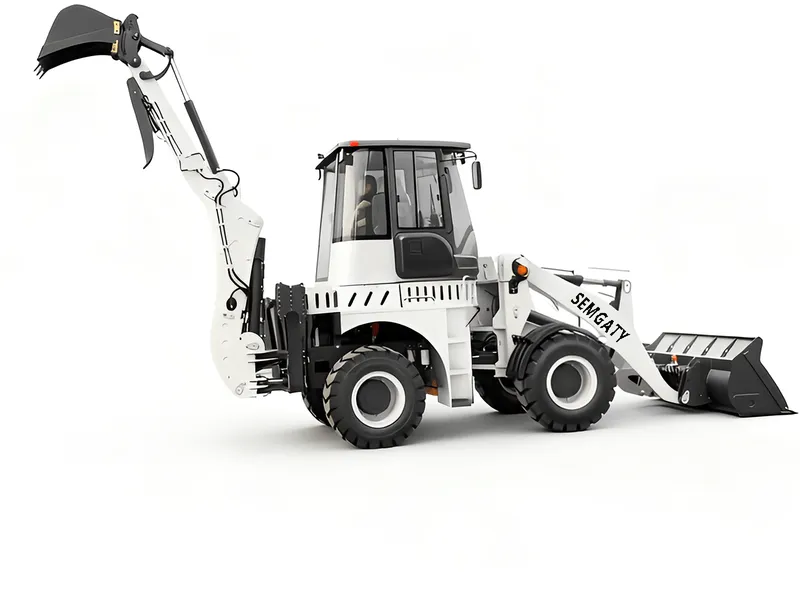
Rural road infrastructure underpins regional economic development, daily resident travel and agricultural material transportation. Long-term rainwater erosion, continuous vehicle rolling and seasonal geological changes trigger common road defects including pavement cracks, potholes, roadbed settlement and slope collapse. Rural road repair sites generally feature narrow lanes, scattered damaged areas and limited construction space, restricting deployment of large heavy-duty machinery. Compact multi-functional equipment matches refined rural road maintenance requirements perfectly.
backhoe machine integrates versatile working functions to adapt to scattered and complex rural road repair scenarios with stable working efficiency and flexible operation performance. Optimized compact structure and multi-task capabilities enable professional
backhoe machine to fully fit distributed, low-intensity and multi-point construction characteristics of rural road renovation projects.
Compact body design and flexible traveling performance adapt to confined rural construction environments. Rural road areas lack wide working platforms and spacious turning zones required by large engineering machinery. Miniaturized fuselage layout supports flexible steering, in-situ rotation and short-distance position adjustment in narrow spaces. Small turning radius and agile traveling structures guarantee smooth movement on curved rural lanes and rugged roadside ground. Light body weight avoids secondary compression damage to fragile roadbeds and newly paved layers. Flexible movement modes minimize repeated position correction and redundant site cleaning to accelerate scattered repair progress. Humanized control layouts enhance construction precision and terrain adaptability of upgraded
new backhoe in complex rural traffic environments. Optimized chassis structures and precise hydraulic control systems maximize on-site working efficiency of advanced
new backhoe during refined rural road maintenance tasks.
Integrated multi-functional capacity covers complete rural road repair workflows. Rural road renovation involves pavement cleaning, roadbed filling, slope trimming, gravel leveling and construction waste disposal. Single-functional machinery requires frequent equipment replacement and site scheduling to cause construction interruption and efficiency loss. Integrated digging, loading and leveling functions achieve one-machine multi-purpose operation to finish core repair procedures without extra mechanical support. Digging attachments clear broken pavement fragments, loose roadbed soil and collapsed roadside sediment efficiently. Front loading structures complete gravel filling, material stacking and waste transportation continuously. All-in-one working design simplifies construction procedures and reduces equipment deployment costs for rural engineering teams. Dual-purpose working structures allow front loader and backhoe units to adapt to full-link road repair demands and improve overall construction standardization. Versatile working modes and strong scenario compatibility maintain stable practical value of classic front loader and backhoe in long-term rural infrastructure maintenance.
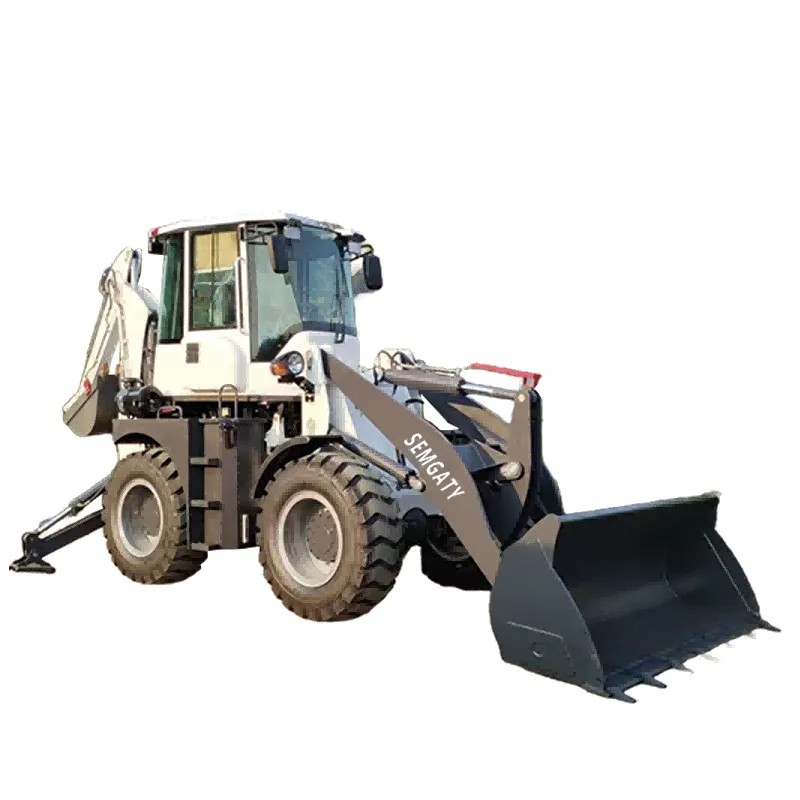
Precise hydraulic operation improves overall construction quality of refined road repair work. Rural road maintenance demands high precision in pavement leveling, filling thickness control and slope shaping to ensure flat road surfaces and unobstructed drainage systems. Advanced hydraulic systems deliver stable, sensitive and gradual movement responses to avoid excessive digging, overfilling and uneven pavement laying. Adjustable working strokes support accurate control of operation depth and coverage for targeted pothole repair and crack filling. Steady power output reduces mechanical vibration and prevents secondary damage to intact road sections. High-precision operation lowers post-construction defects such as uneven settlement and surface undulation, extending service life of renovated rural road infrastructure.
Excellent terrain adaptability copes with diverse complex rural field conditions. Rural road sections connect farmland, hilly zones and residential areas with uneven ground, soft soil foundations and scattered natural obstacles. Terrain-optimized chassis increases ground clearance and enhances anti-slip performance to adapt to muddy roadside ground, rugged slopes and undulating farmland paths. Reinforced suspension structures buffer vibration impact from uneven surfaces and stabilize operation postures during continuous construction. Anti-sink tire configurations reduce ground pressure to avoid sinking and body tilt on wet soft soil near road edges. Reliable terrain tolerance supports uninterrupted construction in humid and rainy weather, ensuring timely completion of scheduled road repair tasks.
Energy-saving performance and cost-efficient operation reduce rural engineering expenditure. Rural road repair projects usually feature limited budgets and scattered construction points, raising strict requirements for equipment economy. Optimized energy-saving engines generate low-speed high-torque output matching light and medium-load road repair tasks to cut unit fuel consumption. Scientific power matching eliminates energy waste caused by excessive performance surplus in small-scale construction scenarios. Wear-resistant structural design reduces component abrasion and lowers daily maintenance frequency during intermittent long-term operation. Universal vulnerable parts and simplified maintenance procedures further reduce operational costs to deliver prominent economic advantages for grassroots rural construction teams.
High mobility adapts to multi-point distributed repair modes of rural road networks. Rural road damage presents discrete distribution with numerous small defective sections scattered across village lanes and branch roads. Large fixed machinery suffers from slow transfer and complicated relocation between separate working sites. Lightweight body and self-propelled traveling systems support rapid short-distance transfer to improve site switching efficiency. Independent moving capability removes reliance on external transport vehicles and cuts auxiliary transfer expenses. Continuous mobile operation reduces idle time and increases daily effective working hours, significantly boosting overall construction efficiency and shortening project cycles for scattered rural road repair tasks.
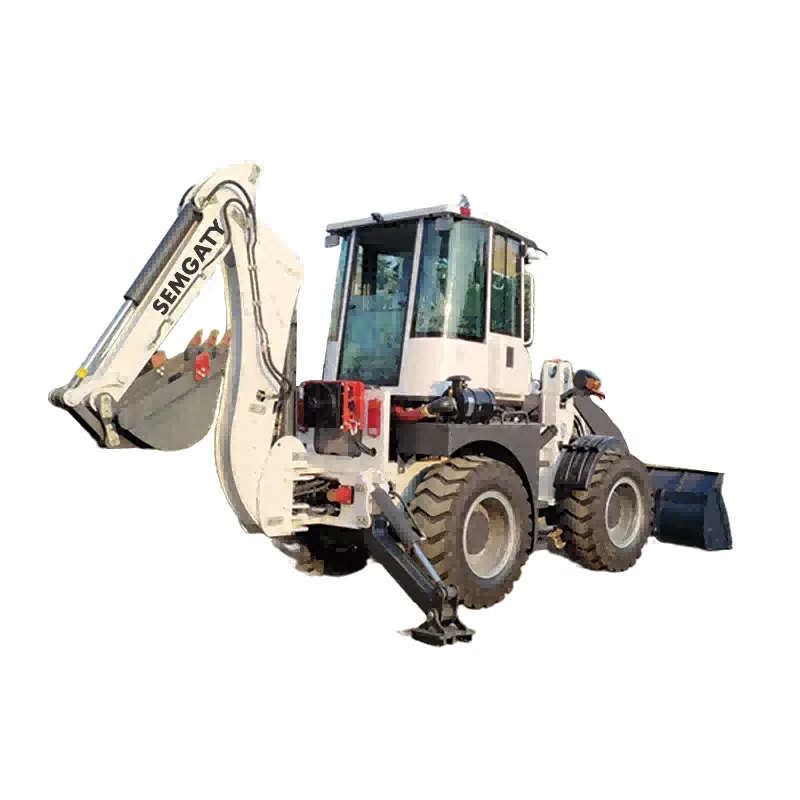
Low-disturbance operation protects rural ecological and residential environments. Rural construction zones lie close to residential buildings, farmland vegetation and rural water systems, requiring minimal construction interference. Balanced hydraulic operation lowers mechanical vibration and working noise to avoid disruption to resident daily life and surrounding facilities. Precise operation range control prevents accidental damage to farmland crops, roadside greening and public infrastructure. Standardized residue cleaning and low-dust working modes reduce on-site pollution. Environment-friendly working features meet green construction standards for rural grassroots projects and maintain stable rural ecological balance.
Simple operation and high mechanical stability lower technical thresholds for rural construction teams. Most grassroots construction teams possess limited professional machinery operation experience and imperfect technical support systems. Humanized simplified control systems reduce operation difficulty and shorten operator adaptation cycles. Mature mechanical structures maintain low fault rates during repeated low-intensity rural construction work. Built-in fault prompting systems allow on-site staff to resolve minor equipment problems without professional guidance. Reliable operational stability ensures continuous project progress and reduces training and technical service costs for rural engineering departments.
Durable structural performance and complete safety configurations support long-term rural maintenance. High-strength steel materials and wear-resistant working devices withstand repeated light-load impact and friction abrasion. Reinforced welding and anti-corrosion treatment resist humid outdoor environments to delay component aging, lowering long-term equipment investment. Comprehensive safety configurations including rollover protection structures, falling object protection frames and panoramic monitoring systems eliminate hidden hazards in unstandardized rural construction sites. Emergency protection devices and reminder systems standardize on-site operation behaviors, ensuring safe and orderly implementation of various rural road repair projects.