Passability Analysis of Compact Loaders on Steep and Muddy Road Conditions
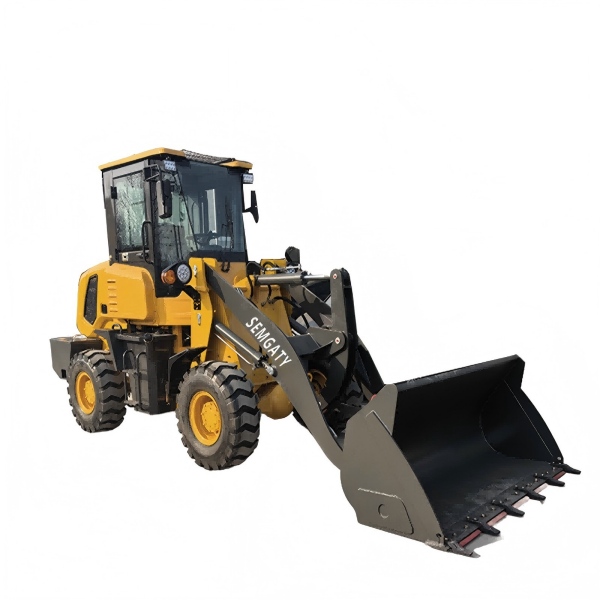
Outdoor construction projects such as rural road renovation, mountain area development and water conservancy engineering often encounter steep slopes and muddy road surfaces. Complex wet terrain conditions pose severe tests on traveling stability, traction capacity and chassis adaptability of small construction machinery.
articulating wheel loader and
compact front end loader occupy dominant market positions in small-scale complex terrain construction for reliable cross-country performance. In-depth analysis of terrain passability helps construction teams select suitable machinery and ensure safe and efficient progress of field engineering projects.
Steep and muddy road conditions feature unique terrain challenges different from conventional flat ground. Accumulated rainwater softens surface soil and forms slippery mud layers to reduce ground friction. Continuous terrain gradients create unbalanced gravity distribution for traveling machinery. Potholed muddy road surfaces and uneven slope structures easily trigger tire skidding, body tilting and traveling blockage. Professional compact loaders adopt targeted structural designs to cope with various hidden dangers brought by harsh terrain environments.
Traction system performance determines basic passability of loaders on slippery muddy roads. High-quality engineering tires with deep anti-skid patterns enhance ground grabbing force on wet soil surfaces. Optimized four-wheel drive configurations output balanced power to all walking components and avoid single-wheel skidding and power loss. Reasonable power torque matching provides lasting driving force for machinery climbing and cross-country traveling on low-friction muddy terrains.
Chassis structural design guarantees operational stability on steep slope terrains. Low-center-of-gravity body layouts effectively restrain excessive body inclination during slope climbing and descending. Reinforced integral chassis structures resist torsional deformation caused by uneven ground stress distribution. Reasonable wheelbase and track width parameters maintain balanced body posture and prevent side rollover risks in inclined muddy construction environments.
compact front loader presents stable basic passability on gentle muddy slopes and shallow muddy road sections. Lightweight body design reduces ground pressure and avoids deep sinking into soft muddy soil. Flexible walking systems adapt to slight ground fluctuations and complete low-load material transportation and site leveling work. Simple and reliable power transmission structures reduce fault probability and maintain continuous traveling capacity in humid and muddy working environments.
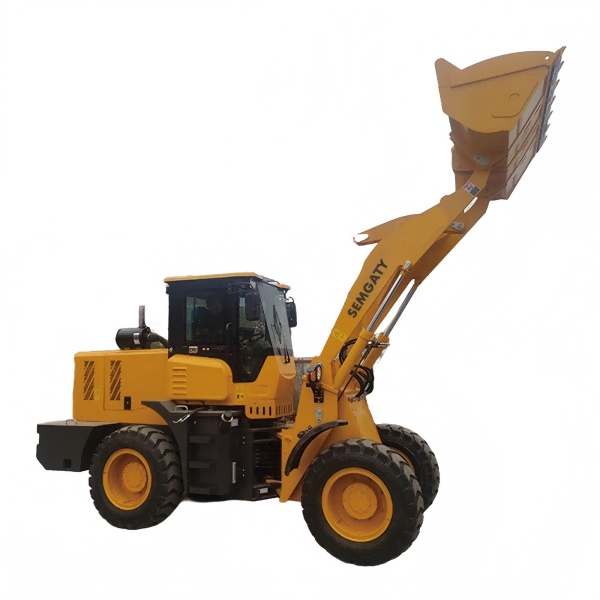
Body steering flexibility improves terrain adaptation of loaders on rugged slope roads. Traditional rigid-frame machinery faces large turning resistance and poor direction adjustment performance on curved steep slopes. Advanced flexible connection structures realize independent angle adjustment of front and rear bodies. Free steering adjustment helps machinery shuttle freely on narrow slope roads and bypass local deep mud pits and protruding obstacles.
Dustproof and waterproof protection of core components supports long-term cross-country operation. Mud splashing and rainwater immersion easily cause damage to engine circuits, hydraulic systems and driving parts. Fully enclosed body protection structures block external muddy water from invading core mechanical components. Professional waterproof wiring designs and sealed hydraulic interfaces maintain normal working performance in continuous muddy terrain operation.
articulating wheel loader delivers superior passability on steep slopes and deep muddy terrains. Special articulated body structures achieve flexible steering without rigid body torsion on inclined grounds. Enhanced traction output systems provide powerful climbing force for large-gradient slope traveling. Anti-sink chassis design and wide anti-skid tires effectively reduce sinking depth on soft muddy soil and ensure stable forward traveling of equipment.
Load balance control technology optimizes working state on asymmetric muddy slopes. Uneven muddy road surfaces lead to inconsistent stress on left and right tires of traveling machinery. Intelligent balance distribution systems adjust power output and suspension angles in real time. Dynamic balance correction maintains horizontal body posture and avoids unilateral tire skidding or body deflection during slope operation.
Self-cleaning tire design solves mud accumulation problems in muddy terrain operation. Dense mud adhesion fills tire patterns and weakens anti-skid performance in long-term muddy road traveling. Special tire surface structures automatically throw off adhered mud during high-speed rotation. Continuous self-cleaning effect keeps effective ground grabbing force and stable passability in all muddy working stages.
compact front end loader achieves balanced cross-country performance in mixed steep and muddy terrain scenarios. Moderate body weight and optimized chassis height adapt to both medium-gradient slope climbing and shallow muddy road traveling. Integrated power and hydraulic systems maintain stable working efficiency under complex terrain stress. Comprehensive terrain adaptation capacity meets multi-scenario construction demands of field infrastructure projects.
Standardized operating modes further enhance equipment passability on complex terrains. Low-speed steady traveling modes reduce skidding risks on slippery muddy roads. Uniform throttle output avoids sudden power surge causing tire idling and mud splashing. Reasonable route planning bypasses deep mud accumulation areas and overly steep slope sections to ensure continuous and safe mechanical operation.
Regular equipment maintenance retains stable cross-country performance of loaders. Timely cleaning of tire patterns and chassis mud residues prevents hard dirt accumulation affecting walking flexibility. Periodic inspection and replacement of aging sealing parts maintain waterproof and dustproof capacity of core systems. Regular calibration of balance and steering structures guarantees accurate terrain adaptation performance in long-term field operation.
Terrain matching selection maximizes operational advantages of different loader models. Flat and shallow muddy road construction adopts
compact front loader to exert flexible and energy-saving working advantages. Ultra-steep slope and deep mud field construction takes
articulating wheel loader as priority equipment for strong climbing and anti-skid capacity. Mixed complex terrains fully utilize balanced performance of
compact front end loader to complete diversified construction tasks stably and efficiently.
Technical upgrading and configuration optimization further improve extreme terrain passability. Optional anti-skid track accessories replace conventional tires for ultra-soft muddy ground operation. Adjustable chassis height structures adapt to different mud pit depths and ground obstacles. Professional customized configurations enable small loaders to cope with more harsh steep and muddy working environments and expand application scope of compact engineering machinery.
Reasonable equipment selection and standardized operation management eliminate terrain construction barriers. Rich structural advantages and adaptive designs enable three types of compact loaders to exert unique passability in steep and muddy scenarios. Scientific cooperation of model matching, operational standardization and daily maintenance ensures stable construction quality and progress in complex field terrains, creating reliable mechanical support for outdoor infrastructure development.