

Practical Maintenance Guide for 10 Ton Road Roller Equipment to Improve Performance and Service Life
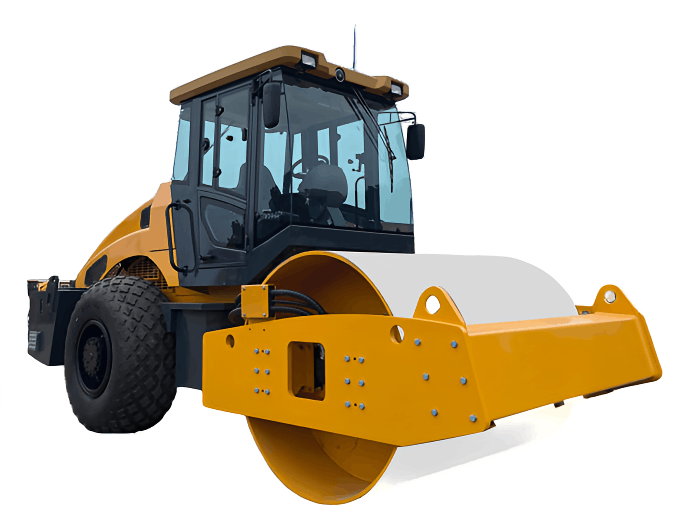
In modern road construction and infrastructure projects, compaction quality directly affects the durability and safety of roads. Equipment such as road roller equipment, especially the road vibratory roller, plays a vital role in achieving proper soil and asphalt compaction. Among them, the 10 ton roller is widely used in municipal roads, highway construction, and foundation compaction due to its balanced power, efficiency, and maneuverability.
However, road rollers usually operate in dusty, muddy, and high-load environments. Without proper maintenance, the performance of the machine can decline, leading to higher fuel consumption, mechanical wear, and unexpected downtime. For construction companies and contractors, regular maintenance is essential to ensure stable operation and extend the lifespan of road roller equipment.
As a professional construction machinery manufacturer, our company has extensive experience in the production and service of heavy equipment. Based on industry practice and field maintenance experience, we share several key maintenance tips to help operators keep their road vibratory roller working efficiently.
Daily Cleaning and Basic InspectionAfter daily operation, it is important to clean the machine thoroughly. Dust, oil stains, and mud can accumulate on the surface of a 10 ton roller, especially around the drum and chassis areas. Removing these materials helps prevent corrosion and mechanical damage.
Operators should also inspect key components such as connection bolts, hydraulic hoses, and tires. Loose fasteners can cause serious mechanical problems during operation, so all critical connections must be tightened regularly.
Proper tire pressure is another important factor for road roller equipment equipped with pneumatic tires. Correct pressure ensures stable driving performance and improves compaction efficiency.
Bearing and Belt Maintenance
Bearings and drive belts play a crucial role in the operation of a road vibratory roller. If the tension is too loose, power transmission efficiency may decrease. If it is too tight, excessive friction may cause premature wear.
Therefore, operators should regularly inspect and adjust the tension of belts and ensure bearings are properly lubricated. In general, walking bearings should be greased after about 20 days of average operation to maintain smooth movement and reduce mechanical resistance.
These simple maintenance measures can significantly improve the performance of road roller equipment and help avoid costly repairs.
Gearbox Maintenance Requirements
The gearbox is one of the most important transmission components in a 10 ton roller. Regular maintenance ensures smooth gear engagement and efficient power transfer.
It is recommended that the gearbox be cleaned at least once every three months. This process removes internal impurities and ensures stable transmission performance. After cleaning, the gearbox should be refilled with the appropriate grade gear oil, which provides effective lubrication and reduces gear wear.
During maintenance, operators should also inspect the shifting and reversing mechanism, sealing components, and connecting bolts. Proper adjustment ensures accurate gear shifting and prevents oil leakage, which can affect the long-term reliability of the road vibratory roller.
Hydraulic System Maintenance
The hydraulic system can be considered the “circulatory system” of road roller equipment. It provides the power required for vibration, steering, and other mechanical operations.
Operators should regularly check hydraulic pipelines, installation bolts, and connectors to ensure there are no leaks or loose parts. Maintaining proper hydraulic oil levels is also essential. High-quality anti-wear hydraulic oil should be used to ensure smooth system performance.
For optimal maintenance, the hydraulic oil tank should be cleaned and replaced every six months. In addition, hydraulic filters should be cleaned or replaced after approximately 500 hours of operation. Clean hydraulic oil helps extend the lifespan of the entire road vibratory roller system.
Vibration Drum and Clutch Maintenance
The vibration drum is the core working component of a 10 ton roller. It directly affects compaction efficiency and road quality. Generally, the vibration system oil should be replaced after every 1000 hours of operation. Operators must also check oil levels and monitor potential leaks to ensure reliable vibration performance.
The main clutch is another critical component. Friction plates and pressure plates must remain free of oil contamination. Operators should carefully adjust the clutch control mechanism and separation lever to avoid half-clutch conditions, which can lead to premature component damage.
Proper maintenance of these parts ensures that road roller equipment operates smoothly and maintains high compaction efficiency.
Battery and Storage Maintenance
The battery is responsible for providing stable electrical power to the road vibratory roller. It should be kept clean and free of corrosion on the surface. Regular inspection of the battery charge level ensures reliable engine starting and stable electrical system performance.
When the 10 ton roller is stored, it should be kept in a dry warehouse or protected with proper rain covers. For short-distance transportation, the roller may move under its own power. However, for long-distance transport, it is recommended to use a flatbed trailer with secure fixing measures to ensure safety.
Reliable Road Roller Solutions from Our Company
Our company specializes in manufacturing high-quality construction machinery, including road roller equipment, loaders, excavators, and forklifts. Our road vibratory roller products are designed with strong structural components, efficient vibration systems, and reliable hydraulic technology to meet the demands of modern construction projects.
With strict quality control and advanced manufacturing technology, our 10 ton roller models deliver excellent compaction performance, fuel efficiency, and durability in various working conditions.
In addition to equipment manufacturing, we also provide professional technical support, spare parts supply, and maintenance guidance to help customers maximize equipment performance and reduce operating costs.
Conclusion
Proper maintenance is the key to ensuring that road roller equipment operates safely and efficiently. From daily cleaning and inspection to gearbox servicing and hydraulic system maintenance, every step plays an important role in maintaining machine reliability.
By following these maintenance practices, operators can significantly extend the service life of their road vibratory roller and maintain the optimal performance of a 10 ton roller in demanding construction environments.
As a trusted construction machinery manufacturer, our company remains committed to providing high-quality equipment and professional support for customers worldwide, helping them achieve greater efficiency and long-term value in their projects.