Practical Maintenance Tips to Reduce Repair Costs of Wheel Loaders
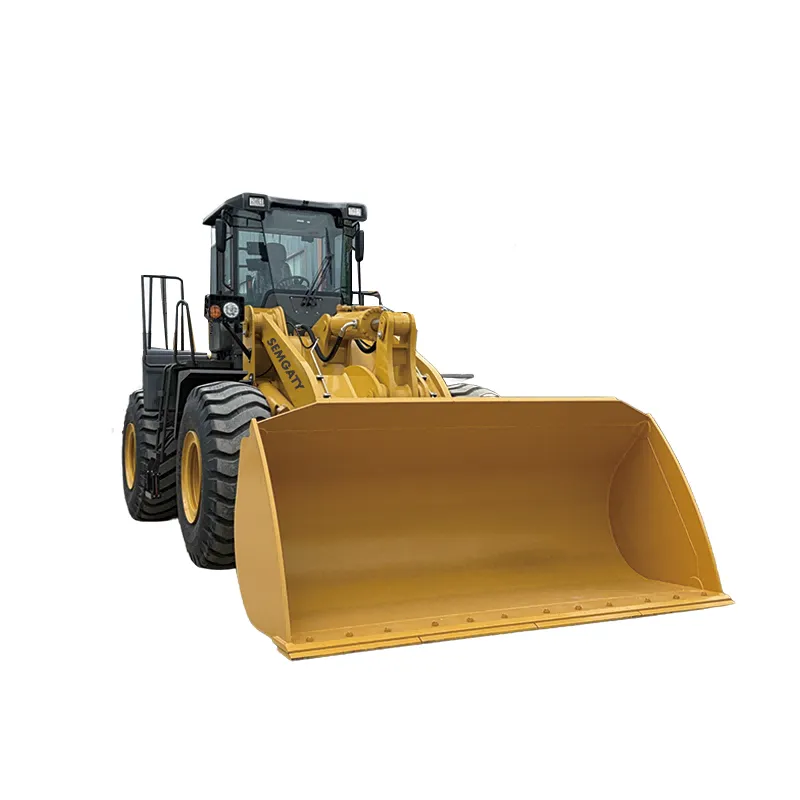
Construction loading machinery serves as core equipment for earthwork, mining and infrastructure construction. Long-term high-intensity operation in complex working environments easily causes component wear, oil leakage and structural aging. Unscientific maintenance modes and neglected daily inspections lead to frequent equipment failures and soaring repair expenses. Standardized daily maintenance effectively delays component aging, reduces fault occurrence and cuts overall operational investment.
Loader with regular professional maintenance maintains stable working performance and minimizes later repair investment. Scientific maintenance systems greatly improve long-term economic benefits of engineering
Loader for construction fleets.
Regular daily inspection forms the most cost-effective maintenance method for loading machinery operation. Comprehensive visual and manual detection covers tire status, oil liquid level, pipeline tightness and structural welding points. Timely discovery of tiny wear, loose parts and slight oil seepage avoids gradual expansion of minor faults into major damage. Zero-cost daily inspection eliminates most hidden equipment hazards and avoids expensive component replacement and overhaul work. Systematic inspection standards effectively control later maintenance costs for commercial
wheel loader machine in long-cycle construction. Refined daily management significantly reduces failure downtime and repair frequency of standard
wheel loader machine.
Timely replacement of vulnerable parts avoids secondary damage of core mechanical structures. Bucket teeth, pin shafts, sealing rings and rubber hoses belong to quick-wear components with limited service life. Continuous operation of aging vulnerable parts causes equipment jitter, oil leakage and unstable clamping force. Severe wear of small parts may scratch hydraulic pipelines, damage transmission systems and wear frame structures. Regular replacement of low-cost accessories prevents high-cost core component overhaul and structural repair. Graded vulnerable part replacement plans protect internal core configurations of heavy-duty
big wheel loader under heavy load operation. Reasonable accessory maintenance rules extend overall service cycle of large-scale
big wheel loader and reduce long-term repair budgets.
Standard oil and filter element replacement protects engine and hydraulic system performance. Engine oil, hydraulic oil and filter elements undertake impurity filtration and component lubrication work. Overdue use of deteriorated oil liquid and blocked filter elements increases internal friction, causes pipeline blockage and reduces power transmission efficiency. Accelerated wear of cylinder walls, valve blocks and gear components raises overhaul risks and maintenance costs. Strict replacement cycles of oil products and filter elements maintain smooth internal operation of mechanical systems. Lubrication and purification maintenance avoids early aging of core parts and effectively controls long-term repair expenditure.
Scientific chassis lubrication reduces mechanical friction loss and wear consumption. Chassis hinge points, rotating bearings and transmission gears bear frequent friction during equipment operation. Lack of lubricant causes dry friction, component abrasion and flexible operation lag. Long-term lubrication deficiency leads to gap enlargement and structural loose, requiring later disassembly and repair. Regular grease filling and lubricant supplementation reduce metal friction loss and protect chassis moving parts. Sufficient lubrication maintenance delays component wear progress and avoids frequent replacement of chassis accessories.
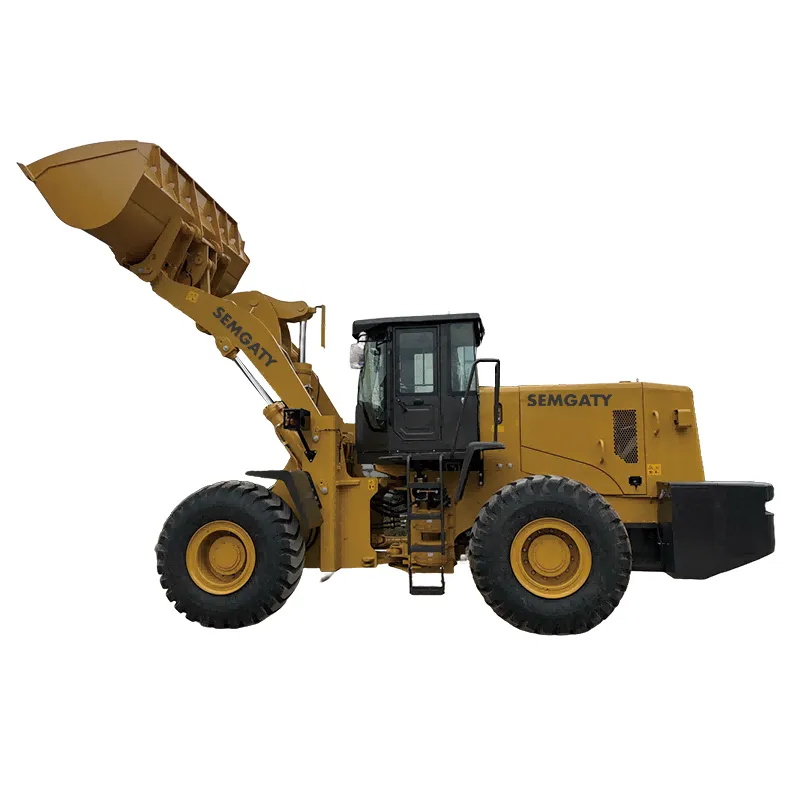
Hydraulic system maintenance prevents high-cost hydraulic fault repair. Hydraulic components feature high precision and high maintenance costs among all mechanical parts. Dust impurity accumulation, oil liquid pollution and loose pipeline joints easily trigger hydraulic pressure instability and oil leakage. Long-term unprocessed hydraulic faults cause valve block damage, pump body wear and cylinder failure. Regular cleaning of hydraulic system impurities and inspection of sealing structures maintain stable hydraulic transmission. Standard hydraulic maintenance avoids expensive replacement of precision hydraulic accessories and reduces overall repair costs.
Structural cleaning and anti-corrosion maintenance delays equipment aging speed. Construction sites contain large amounts of dust, sediment, humid moisture and corrosive substances. Long-term attachment of mud and dust causes metal rust, paint peeling and structural corrosion. Local corrosion weakens structural rigidity and leads to plate deformation and welding crack expansion. Timely cleaning of surface dirt and regular anti-corrosion coating maintenance protect metal structures. Complete anti-rust maintenance reduces structural repair and sheet metal replacement frequency in later operation stages.
Standard operating habits reduce artificial damage and unnecessary repair costs. Violent operation such as sudden load bearing, rapid steering and forced shoveling causes impact damage to frame, hydraulic cylinder and transmission parts. Irregular working modes accelerate component fatigue and increase fault probability. Stable and standardized operation buffers mechanical impact force and protects internal precision structures. Compliance with operation specifications avoids artificial equipment damage and eliminates extra repair expenses caused by misoperation.
Reasonable load control avoids overload damage and mechanical fatigue loss. Long-term overload operation exceeds rated bearing range of equipment structures and power systems. Excessive load causes engine overload operation, frame stress concentration and transmission component wear. Continuous overload working state shortens service life of core parts and increases overhaul probability. Strict load limitation according to equipment parameters protects mechanical performance stability. Scientific load management reduces fatigue damage repair and core component replacement costs.
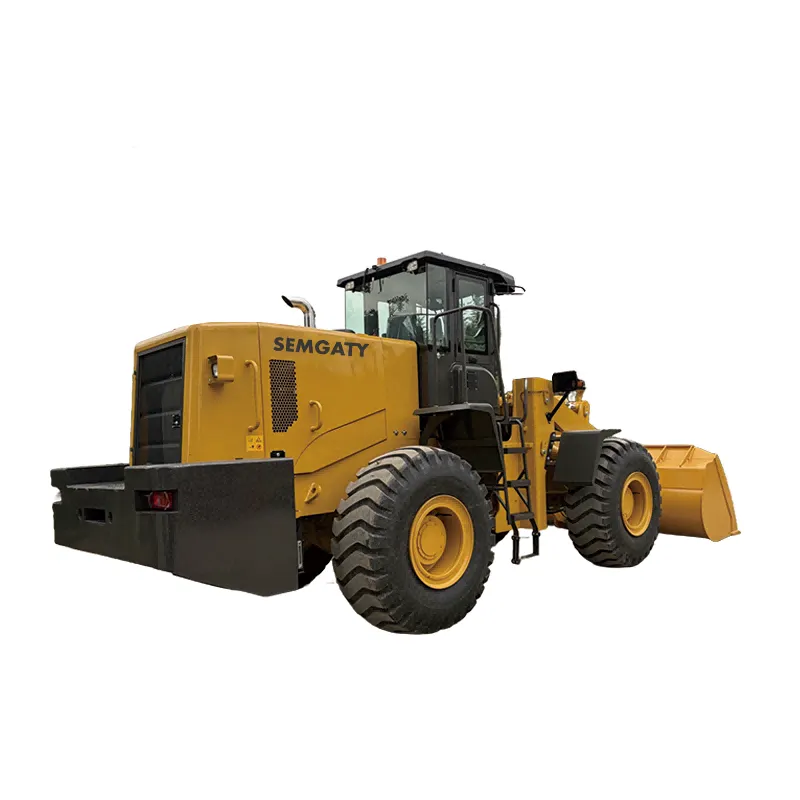
Seasonal targeted maintenance adapts to environmental changes and reduces seasonal faults. Low-temperature winter environments cause oil liquid viscosity increase, pipeline freezing and startup difficulty. High-temperature summer environments easily lead to engine overheating and oil liquid deterioration. Seasonal maintenance including winter antifreeze treatment and summer heat dissipation cleaning adapts equipment to environmental changes. Targeted seasonal maintenance avoids seasonal common faults and reduces emergency repair costs in extreme weather conditions.
Regular bolt and pipeline fastening prevents loose failure and secondary damage. Long-term mechanical vibration causes gradual loosening of connecting bolts, pin shafts and pipeline joints. Slight looseness triggers equipment abnormal noise, operational jitter and minor oil leakage. Unprocessed loose problems expand into structural displacement and pipeline falling off, causing large-scale equipment failure. Regular comprehensive fastening inspection eliminates hidden loose hazards. Simple daily fastening maintenance avoids high-cost disassembly repair and structural rectification work.
Professional fault early inspection avoids minor fault escalation and high-cost overhaul. Tiny abnormal noise, slow action and slight power attenuation belong to early fault signals of equipment. Timely inspection and troubleshooting eliminate early hidden troubles before fault deterioration. Early-stage maintenance and adjustment only require low-cost manual inspection and simple part replacement. Delayed fault processing leads to component linkage damage and overall system failure. Active early maintenance mode maximizes maintenance cost control effect and ensures long-term stable operation of construction machinery.