Practical Operation Guide of Backhoe Loaders for Farmland Renovation, Ditching and Backfilling Works
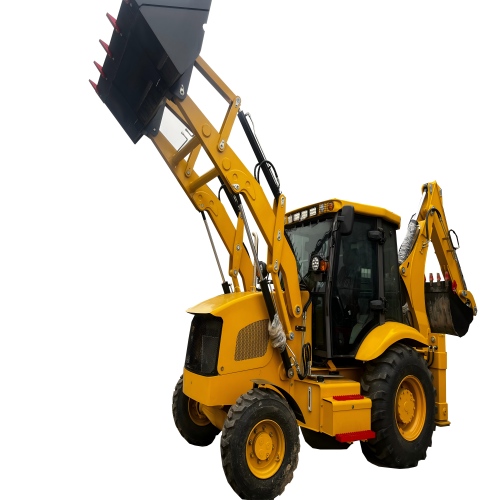
Modern agricultural development relies on standardized farmland renovation to optimize irrigation systems, improve soil quality and upgrade field infrastructure. Ditching and backfilling represent core construction steps for drainage improvement, irrigation channel layout, land leveling and field reconstruction. Traditional manual work and small agricultural tools suffer from low efficiency and unstable construction quality, failing to meet large-scale modern farmland upgrading standards. Multi-functional construction machinery becomes essential equipment for refined agricultural engineering projects.
backhoe machine with agricultural adaptive configurations completes accurate ditching, efficient soil backfilling and precise field leveling for diversified farmland renovation tasks. Professional structural optimization and stable working performance enable practical
backhoe machine to adapt to soft cultivated soil, scattered field plots and strict agricultural construction specifications.
Thorough field preparation and professional equipment calibration lay a solid foundation for standardized farmland construction. Farmland working environments feature loose soil, uneven ground and distributed crop residues, which easily affect ditching uniformity and backfilling quality. Construction staff need to clear surface weeds, straw residues and scattered stones before formal operation to avoid equipment jamming and construction deviation. Scientific planning of ditch routes and water flow gradients ensures long-term unobstructed irrigation and drainage inside farmland. Reasonable calibration of digging depth, bucket range and traveling speed guarantees consistent ditch size and flat field surfaces. Optimized parameter settings and agricultural targeted upgrades greatly improve field adaptability of newly developed
new backhoe in farmland transformation projects. Sensitive hydraulic control and steady power output maintain high-precision working performance of advanced
new backhoe during repeated ditching and backfilling cycles.
Standardized ditching operation techniques ensure high-quality construction of farmland water conservancy facilities. Farmland irrigation and drainage ditches require strict control of straightness, depth, width and bottom flatness to eliminate waterlogging and drought risks. Operators maintain low-speed stable traveling and uniform arm movement during ditching processes to prevent ditch wall collapse and uneven base surfaces. Excavated soil gets stacked tidily on both sides of ditches to facilitate subsequent backfilling and field leveling procedures. Precise mechanical operation effectively reduces excessive soil disturbance and protects fertile topsoil layers crucial for crop growth. Integrated digging and loading functions allow front loader and backhoe to finish one-stop ditching and soil arrangement for farmland renovation. Reliable operational stability and multi-scene adaptability enhance construction efficiency and standardization of classic front loader and backhoe in agricultural infrastructure projects.
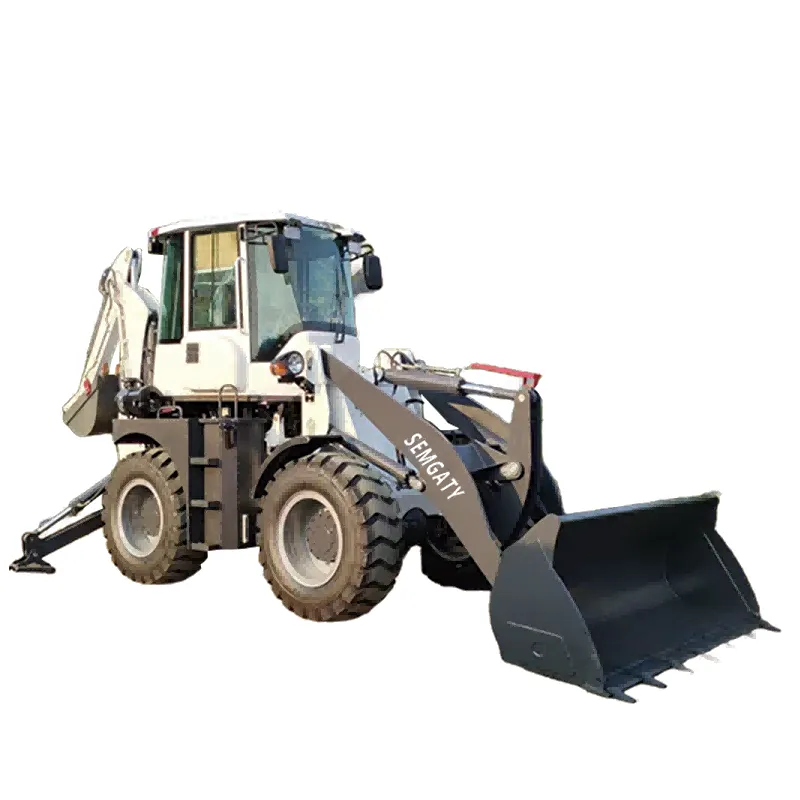
Scientific layered backfilling methods optimize farmland flatness and soil structure. Farmland backfilling construction prohibits one-time thick soil accumulation, which easily causes uneven settlement and deformed field surfaces. Operators spread excavated soil in thin layers and conduct uniform paving according to preset field height standards. Moderate and balanced compaction treatment stabilizes soil structure while retaining proper air permeability, creating favorable conditions for crop root development and water infiltration. Synchronized trimming and leveling eliminate raised soil belts and low-lying areas after backfilling completion. Standardized construction procedures effectively upgrade overall farmland flatness, eliminate water accumulation areas and lay a solid foundation for mechanized farming and standardized irrigation management.
Professional soft-soil operation skills prevent equipment faults and farmland damage. Most farmland areas feature loose and humid cultivated soil, especially after irrigation and rainy seasons. Such soft ground environments easily cause machinery sinking, track slipping and soil hardening due to improper operation. Operators adopt low-load steady working modes and avoid sudden acceleration, sharp steering and violent hydraulic operation to reduce concentrated ground pressure. Optimized chassis clearance and reasonable tire contact area improve traveling stability on wet soft soil. Avoidance of repeated rolling on single tracks preserves loose soil structure and protects original planting layers. Flexible adjustment of working modes according to real-time soil humidity ensures continuous and efficient construction without secondary damage to farmland environments.
Flexible functional switching adapts equipment to diversified farmland renovation demands. Modern farmland transformation covers multiple working contents including fine irrigation ditching, drainage channel renovation, field ridge cleaning and low-lying land backfilling. Modular accessories such as narrow ditching buckets and flat grading buckets support rapid functional switching to match different construction requirements. Professional narrow buckets complete precise digging of fine water pipelines, while large-capacity buckets realize rapid soil backfilling and large-area field leveling. Quick-disassembly accessory structures save equipment adjustment time and improve overall construction progress. Multi-functional integration capabilities reduce additional machinery input and simplify on-site scheduling for agricultural construction teams.
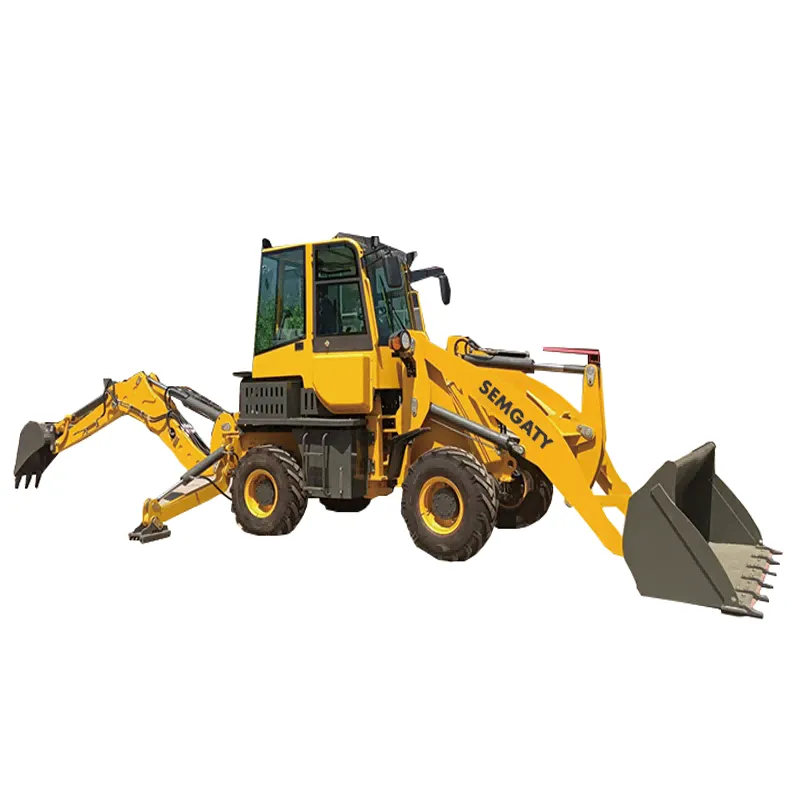
Energy-saving operation modes lower long-term agricultural construction costs. Large-scale farmland renovation requires long-hour continuous operation, making fuel consumption and component wear key economic indicators. Reasonable power matching outputs low-speed high torque that perfectly adapts to farmland soil digging and backfilling resistance, avoiding invalid energy waste. Optimized hydraulic circulation systems reduce internal pressure loss and lower abrasion of core moving parts. Stable and gentle operation habits reduce mechanical vibration and extend equipment service life. Low operational consumption and high working efficiency deliver prominent cost advantages for large-area farmland upgrading and rural agricultural infrastructure optimization.
Standardized maintenance and safety specifications guarantee sustainable farmland construction. Long-term farmland operation leads to frequent adhesion of wet soil, dust and crop impurities, which may cause hydraulic jamming and component aging without timely cleaning. Daily cleaning of working arms, buckets and chassis gaps maintains flexible mechanical response. Regular lubrication and pipeline inspection stabilize overall equipment performance during continuous construction periods. Meanwhile, operators need to avoid working near hidden pits, buried pipelines and field barriers to prevent collision risks. Strict compliance with load standards and safety procedures eliminates on-site hazards, ensuring efficient, stable and high-quality completion of all farmland ditching and backfilling renovation tasks.