Practical Operation Guide of Small Backhoe Loaders for Orchard Deep Tillage and Land Renovation
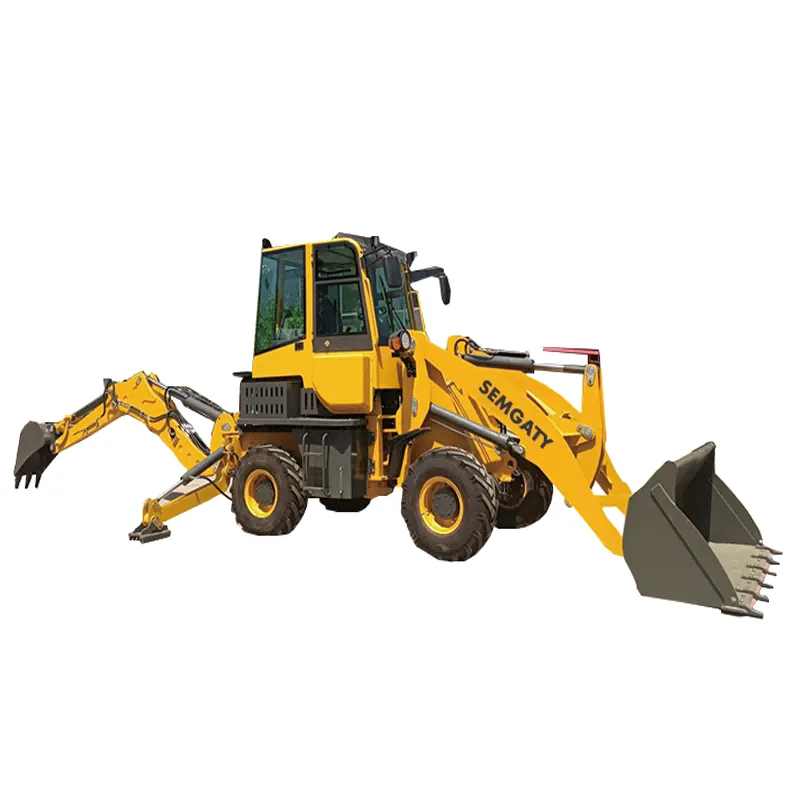
Orchard deep tillage and land renovation are vital agricultural management procedures for optimizing soil structure, activating soil vitality and maintaining stable fruit yield. Long-term continuous planting leads to soil compaction, poor air permeability and reduced soil fertility, restricting fruit tree root growth and limiting water and nutrient absorption. Traditional manual tillage and small rotary equipment only treat shallow surface soil, incapable of breaking deep hardened soil layers and failing to meet modern orchard renovation standards. Compact and flexible engineering machinery has become ideal equipment for refined orchard construction.
backhoe machine with exclusive orchard-oriented configurations perfectly adapts to narrow tree row spacing, dense planting layouts and low-disturbance agricultural construction needs. Precise hydraulic control and miniaturized body design enable professional
backhoe machine to complete integrated deep tillage, soil loosening and land trimming while fully protecting fruit tree trunks and root systems.
Pre-operation site inspection and equipment calibration ensure safe, standardized and efficient orchard tillage. Orchard working environments feature dense tree trunks, staggered branches, reserved seedling zones and buried irrigation pipelines, bringing unique construction limitations different from ordinary farmland. Construction workers clear surface stones, dry branches and hardened soil blocks, mark root protection areas and formulate scientific traveling routes before official construction. Reasonable planning of tillage depth and working width avoids repeated rolling and excessive soil disturbance in key planting zones. Accurate calibration of hydraulic arm stroke and traveling speed guarantees uniform tillage depth and consistent soil loosening effects. Optimized structural upgrades and agricultural adaptive tuning greatly improve operational precision of newly developed new backhoe in intensive orchard renovation projects. Stable low-amplitude working modes maintain reliable construction quality of advanced new backhoe during long-term orchard soil renewal operations.
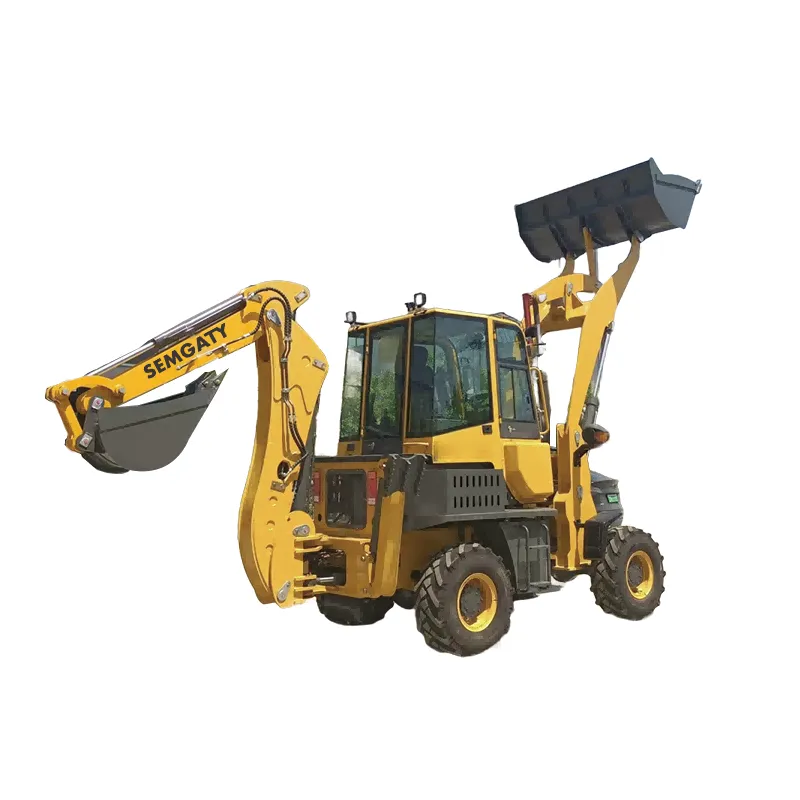
Standardized deep tillage techniques effectively improve orchard soil internal conditions. Scientific orchard tillage maintains working depth between 20 cm and 40 cm, focusing on breaking hardened plow layers and boosting soil porosity. Reasonable tillage depth eliminates dense soil barriers, enhances soil water and fertilizer retention capacity and creates loose and breathable growth space for fruit tree root systems. Operators maintain low-speed traveling and gradual bucket flipping to achieve even soil turning and thorough loosening. Proper soil mixing incorporates fallen leaves and organic residues into soil layers to supplement organic nutrients and activate soil microbial activity. Strict control of mechanical working range prevents trunk collision and root damage, realizing zero-damage refined tillage. Integrated digging and leveling functions allow
front loader and backhoe to match diversified tillage demands of different fruit tree varieties and growth cycles. Flexible operation and high construction precision upgrade scientific management standards of classic
front loader and backhoe in modern orchard land renovation.
Targeted terrain trimming resolves common land defects of aging orchards. Long-term planting and seasonal rainwater erosion cause uneven ground, residual soil ridges and local low-lying ponding areas in orchard zones. Irregular terrain hinders uniform irrigation and fertilization, increases daily picking difficulty and raises root rot risks caused by water accumulation. Professional mechanical trimming includes residual ridge removal, low-lying backfilling and row spacing leveling to form flat, well-drained orchard plots. Layered soil arrangement balances surface looseness and subsoil stability, avoiding hollow soil layers and excessive soil hardening. Reasonable micro-gradient design accelerates rainwater discharge, eliminates long-term soil saturation and optimizes overall fruit tree growth environments. Refined terrain renovation effectively upgrades old orchard land conditions and supports standardized orchard daily management.
Low-disturbance operation modes adapt to intensive orchard construction features. Modern standardized orchards adopt dense tree layouts and narrow row spacing, requiring high mechanical flexibility and operational safety. Compact body structure and flexible in-situ rotation support precise operation in limited spaces without branch scratching or trunk collision. Gentle hydraulic working modes reduce violent soil turnover and protect beneficial soil microbial communities in planting layers. Controlled digging radius and working height restrict construction ranges within planned tillage zones, protecting peripheral seedlings and fixed orchard facilities. Low-vibration and low-impact working methods reduce mechanical pressure on shallow root systems, securing stable fruit tree growth while completing high-quality soil renovation.
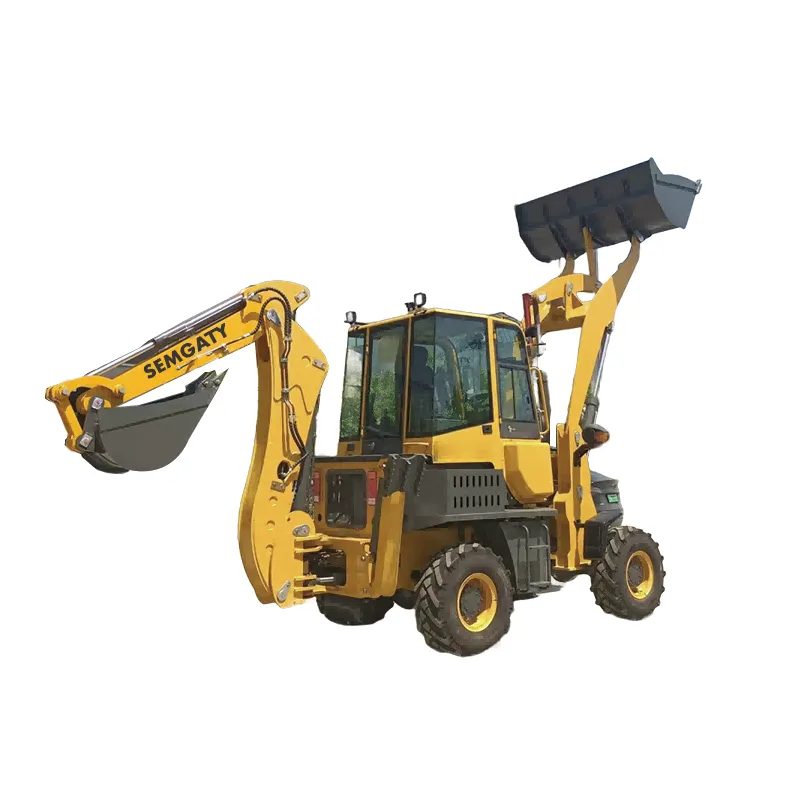
Flexible accessory switching and standardized post-operation maintenance maximize orchard renovation effects. Young seedling orchards require shallow soil loosening and gentle trimming to protect tender roots, while mature orchards need deep soil breaking to improve hardened subsoil. Modular accessories including deep tillage buckets and flat grading buckets support rapid functional switching to adapt to different construction stages and soil conditions. Multi-functional equipment application eliminates frequent machinery replacement and reduces overall operational costs for orchard planting bases. Scientific zoning traveling avoids missed tillage and repeated rolling, ensuring full construction coverage and uniform soil loosening. Post-operation fine trimming of uneven ground and residue cleaning optimize orchard flatness and drainage performance. Timely equipment cleaning and movable part lubrication maintain long-term mechanical stability, realizing sustainable soil improvement and supporting high-yield and high-quality development of modern ecological orchards.