Practical Reference Guide for Cab Configuration Selection of Construction Loaders
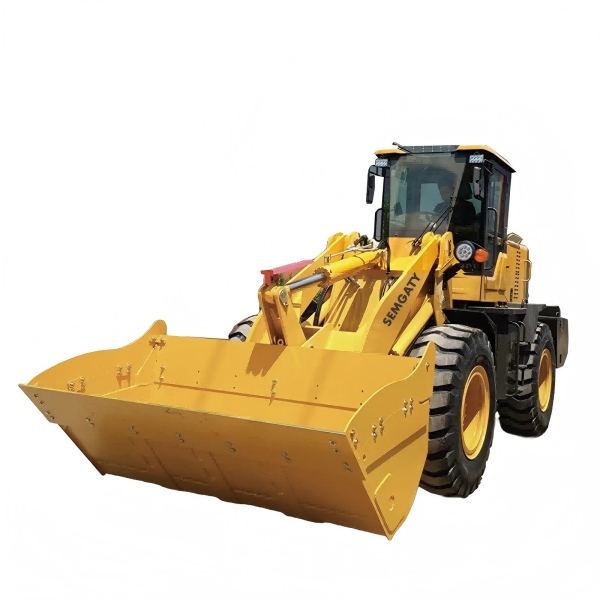
Cab configuration serves as a vital evaluation dimension in compact loader procurement, directly affecting operator comfort, operational precision, driving safety and long-term equipment utilization efficiency. Reasonable cab layout and functional matching adapt to high-frequency outdoor construction, long-hour continuous operation and complex environmental working conditions.
articulating wheel loader and
compact front end loader support diversified cab configuration combinations to meet customized procurement demands of overseas engineering markets. Systematic selection reference helps purchasers match targeted cab functions, avoid redundant configuration costs and select high-matching loader products for different construction scenarios.
Basic sealing and protective configuration form the foundation of qualified loader cab design. Construction sites feature massive floating dust, gravel splashing, humid air and variable outdoor temperatures. High-quality cab structures adopt fully enclosed welding design and multi-layer sealing strips to block external dust and moisture invasion. Thickened tempered glass and metal protective frames resist impact damage from flying gravel and external sundries. Standard protective configurations stabilize internal cab environment and reduce equipment failure caused by external environmental interference.
Ergonomic operating layout improves long-term operation comfort of construction staff. Formal loader cabs adopt scientific seat height adjustment, control lever layout and pedal spacing design. Reasonable spatial distribution reduces limb fatigue and muscle strain during long-hour shoveling, traveling and lifting operations. Adjustable backrest angles and suspended seat structures buffer chassis vibration transmitted from rugged ground, effectively improving continuous working adaptability of operators in high-intensity construction cycles.
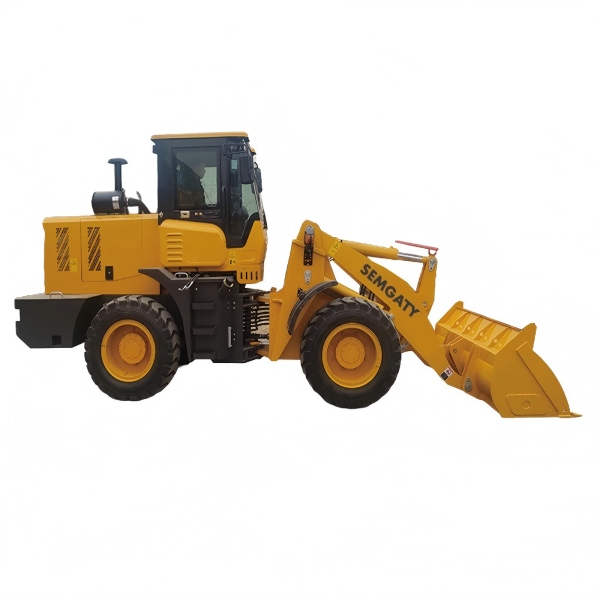
Visual field optimization design guarantees operational accuracy and construction safety. Wide-angle front glass, invisible A-pillar design and open side window layouts expand observation range of bucket working status and surrounding site environment. Transparent and scratch-resistant glass materials maintain clear visual field under dusty and long-term exposure conditions. Optimized visual structure eliminates blind operation areas and reduces collision risks with site obstacles and stacked materials during loader operation.
compact front loader adopts simplified practical cab configurations suitable for basic light-load construction scenarios. Entry-level cab settings focus on core sealing performance and basic operating layout without redundant functional designs. Standard control systems and fixed seat structures fully meet daily short-time operation demands of farmland renovation, yard sorting and small municipal maintenance. Minimalist configuration schemes control procurement costs while retaining essential operational safety and comfort conditions.
Temperature regulation and ventilation configurations adapt to variable global construction climates. Many overseas construction regions face high-temperature sunshine exposure or low-temperature frost working environments. Qualified loader cabs support optional ventilation fans, heating systems and sunshade facilities to adjust internal temperature and air circulation. Humanized temperature control configurations avoid operational inefficiency caused by extreme climate and ensure stable working efficiency all year round.
Dustproof and noise reduction configurations upgrade comprehensive cab working quality. High-density dust filtration devices isolate external fine dust particles and keep internal cab environments clean. Multi-layer noise absorption materials paste on cab inner walls to reduce engine noise and traveling vibration noise transmitted into operating spaces. Professional noise and dust control measures protect operator physical health and improve concentration during precise construction operations.
articulating wheel loader equips upgraded customized cab structures for complex terrain long-term operation. Professional cab shock absorption systems cooperate with articulated body performance to buffer multi-direction vibration generated by slope traveling and uneven ground operation. Reinforced cab overall structures improve anti-torsion and anti-impact capacity for harsh construction environments. Targeted cab upgrades match high-adaptability working performance of terrain-friendly loader models.
Intelligent auxiliary configurations enhance operational convenience and safety level. Modern high-end loader cabs integrate instrument digital display, working light optimization, rearview auxiliary perspective and fault self-check reminder functions. Clear data display records real-time equipment operating parameters including power, hydraulic pressure and working duration. Auxiliary lighting systems guarantee accurate operation in low-light environments such as dawn, dusk and cloudy weather.
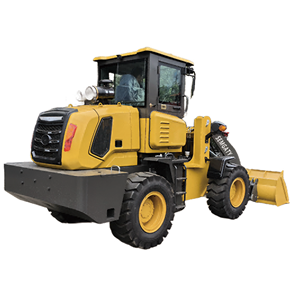
Safety protection accessories constitute indispensable cab matching components. Standard safety belts, emergency escape windows, fire prevention devices and anti-slip floor mats form complete internal safety guarantee systems. Anti-glare glass avoids visual interference from strong sunlight and ensures stable operation precision under bright light conditions. Perfect safety configuration standards reduce accidental operation risks and comply with international machinery safety supervision specifications.
compact front end loader adopts balanced cab configuration schemes suitable for medium-load multi-scenario construction. Moderate functional upgrading based on basic sealing structures realizes coordination of comfort, safety and cost control. Universal intelligent display systems and adjustable operating components adapt to frequent switching of municipal engineering, road maintenance and earthwork construction tasks. Balanced cab design meets standardized construction demands of most medium-sized overseas projects.
Waterproof and anti-corrosion cab performance adapts humid and rainy construction environments. Cab internal wiring harnesses adopt fully sealed waterproof design to prevent short circuit faults caused by rainwater penetration. Surface metal structures apply anti-rust and anti-corrosion coating processes to resist long-term humid air erosion. Durable cab structural design reduces later maintenance frequency and guarantees stable service life in coastal and rainy tropical regions.
Customized configuration options meet differentiated regional procurement demands. High-latitude cold regions prioritize heating and thermal insulation cab configurations. Tropical high-temperature regions prefer ventilation, heat dissipation and sunshade upgrades. Dust-prone mining and sand yard sites require enhanced dustproof and fully enclosed cab structures. Targeted cab customization improves equipment regional adaptability and market competitiveness in global cross-border trade.
After-sales matching and accessory universality affect long-term cab utilization value. Standardized cab structural parts, glass components and internal control accessories support convenient global replacement and maintenance. Unified industry specifications avoid difficult accessory procurement and high replacement costs in later operation. Purchasers need to prioritize loader products with universal cab accessory standards to reduce long-term operation and maintenance budgets.
Scientific cab configuration selection realizes precise matching of equipment and working scenarios. Light-load and low-budget projects select practical cab settings of
compact front loader to control comprehensive procurement costs. Complex terrain and long-hour construction tasks match upgraded shock-proof and safe cab configurations of
articulating wheel loader to ensure operational stability. Multi-purpose medium-scale engineering projects adopt balanced cab designs of
compact front end loader to coordinate performance and economic benefits.
Reasonable cab configuration planning avoids excessive functional redundancy and insufficient core performance. Blind pursuit of high-end intelligent configurations causes cost waste in basic construction scenarios. Neglect of protective and comfort configurations leads to reduced operational efficiency and potential safety hazards in high-intensity working environments. Refined configuration selection modes maximize comprehensive utilization value of compact loaders in diversified global construction scenarios.