

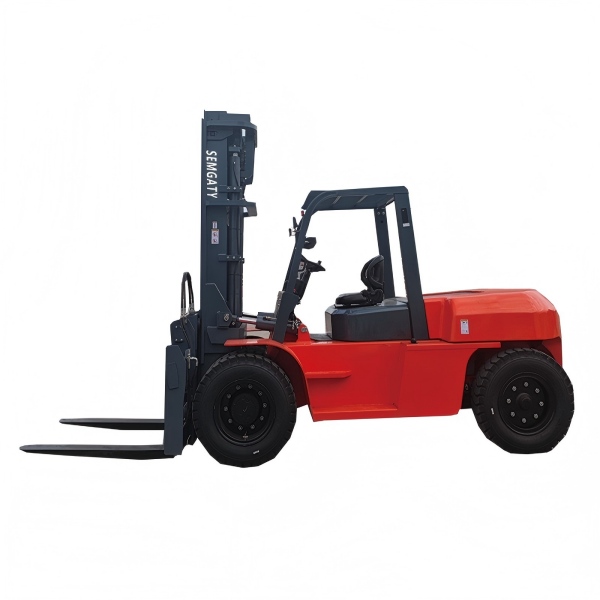
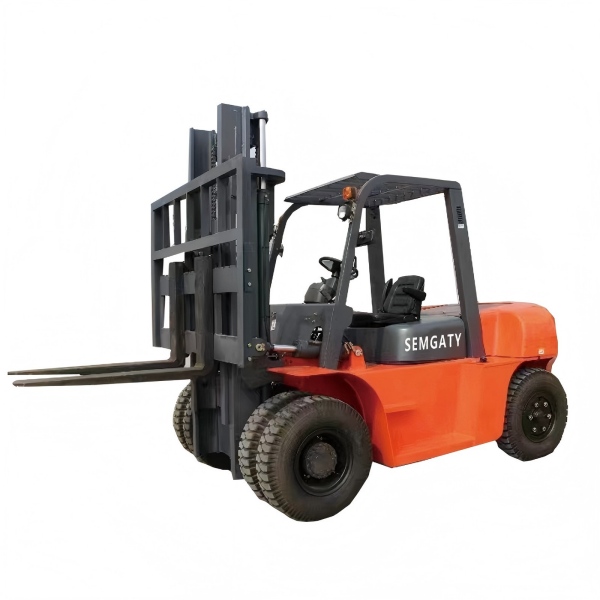
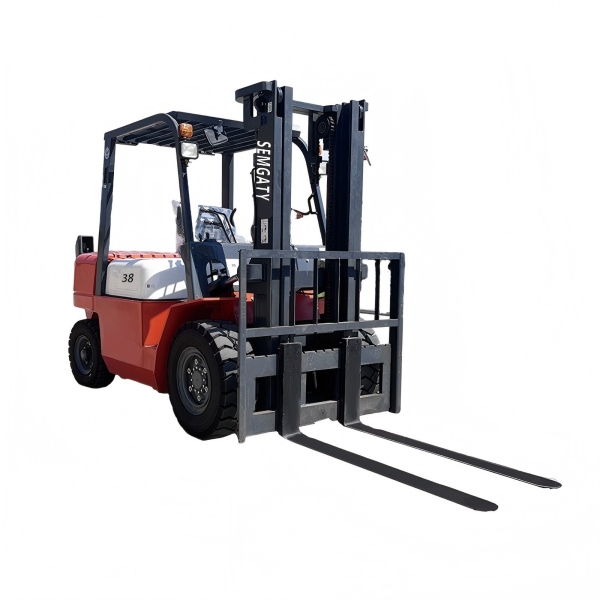
Growing Demand for Forklift Safety in Modern Logistics
With the rapid expansion of global logistics, manufacturing, and warehousing industries, material handling equipment such as forklift, outdoor forklift, and diesel forklift machines has become indispensable for daily operations. Warehouses, ports, construction projects, and industrial parks rely heavily on forklift equipment to transport goods quickly and efficiently.
However, frequent use of forklift equipment also brings potential safety risks. Accidents involving diesel forklift or outdoor forklift machines occur in many workplaces every year. Most accidents are caused by improper operation, insufficient training, poor maintenance, or unsafe working environments.
Industry safety experts agree that the majority of forklift accidents can be prevented through proper management and operator awareness. Companies that establish strict safety systems for forklift, outdoor forklift, and diesel forklift operation significantly reduce workplace injuries and equipment damage.
Common Risks During Forklift Operation
Daily operation of forklift equipment may lead to several types of accidents if safety procedures are ignored. Understanding common risks helps companies implement better safety management systems.
The most frequently reported incidents involving forklift equipment include collisions with shelves, walls, or other vehicles. Improper turning or excessive speed can cause diesel forklift overturning, especially when carrying heavy loads.
Another common risk during forklift operation is load instability. When cargo is improperly stacked or not secured correctly, goods may fall from forklift forks and injure nearby workers.
In warehouses and logistics centers where outdoor forklift machines move large volumes of goods, poor visibility at intersections may also lead to collisions between forklift vehicles and pedestrians.
Operator Training Is the Most Important Safety Measure
Professional training programs are the foundation of safe forklift operation. Operators must receive both theoretical instruction and practical driving training before operating forklift, diesel forklift, or outdoor forklift equipment.
Training programs should include specific instruction on different types of forklift machines, including counterbalance diesel forklift models, electric warehouse forklift equipment, and heavy-duty outdoor forklift machines used in construction environments.
Proper ergonomic training is equally important. Operators must learn the correct method of entering and exiting forklift equipment in order to prevent back injuries and joint strain.
Safety training should also emphasize the use of personal protective equipment when operating forklift machinery. Helmets, safety shoes, gloves, and reflective clothing provide additional protection in busy workplaces where diesel forklift and outdoor forklift equipment are constantly moving.
Safe Driving Practices for Forklift Operators
Safe driving behavior plays a major role in preventing forklift accidents. Industrial safety guidelines recommend limiting the speed of indoor forklift machines to approximately 10 km/h. Outdoor transportation areas where outdoor forklift equipment operates can allow speeds up to 20 km/h.
When driving a diesel forklift, operators must reduce speed when approaching corners or intersections. Turning at high speed significantly increases the risk of forklift overturning.
Wet or slippery floors require extra caution during forklift operation. Lower speed improves stability and helps the forklift operator maintain control of heavy loads.
Correct load positioning also improves safety. During transportation, forklift forks should remain approximately 15 centimeters above the ground and slightly tilted backward. Proper positioning keeps cargo stable while diesel forklift equipment moves through the warehouse.
Good visibility is another essential safety factor. Mirrors installed at warehouse corners help forklift operators detect approaching vehicles or pedestrians.
Regular Maintenance Improves Forklift Safety
Routine maintenance plays a critical role in reducing the risk of accidents involving forklift equipment. A properly maintained diesel forklift performs more reliably and operates more safely under heavy workloads.
Maintenance teams should regularly inspect braking systems, steering components, hydraulic systems, and lighting devices on every forklift machine. Malfunctioning brakes or damaged steering mechanisms can easily lead to serious accidents.
Daily inspection of tires is also essential. Worn tires reduce the stability of outdoor forklift equipment when transporting heavy loads. Replacing damaged tires ensures safer operation of forklift vehicles.
Cleaning and maintaining forklift equipment also contributes to safety. Oil leaks, hydraulic fluid spills, or debris near diesel forklift machines can cause slipping hazards for operators.
Maintaining a Safe Warehouse Environment
A well-organized workplace environment significantly reduces accidents involving forklift and outdoor forklift equipment. Proper storage systems ensure that goods remain stable when lifted by forklift machines.
Warehouse managers should clearly mark different zones such as hazardous material storage areas, refrigerated storage spaces, and fragile cargo sections. Clear labeling allows forklift operators to handle materials safely.
Keeping warehouse aisles clean and free from obstacles ensures smooth movement for diesel forklift and forklift vehicles. Cluttered pathways often lead to collisions between forklift machines and warehouse infrastructure.
Floor conditions also influence safety. Smooth and anti-slip flooring improves the stability of outdoor forklift equipment when transporting heavy goods across large storage areas.
Adequate lighting throughout warehouses and loading areas improves visibility for forklift operators and reduces the likelihood of accidents.
Preventing Fire and Hazardous Gas Incidents
Special safety precautions are necessary when diesel forklift equipment operates in environments that contain hazardous materials. Explosion-proof forklift equipment is recommended for transporting flammable substances.
Installing spark arrestor systems in the exhaust systems of diesel forklift machines reduces fire risks in industrial environments. Proper ventilation systems are also essential when operating forklift equipment with internal combustion engines.
Workspaces must provide sufficient airflow to prevent the accumulation of exhaust gases produced by diesel forklift engines. Proper ventilation improves air quality and protects workers from gas poisoning or suffocation hazards.
Battery charging areas for electric forklift equipment should also follow strict safety standards, including fire-resistant materials, ventilation systems, and emergency safety equipment.
Avoiding Dangerous Forklift Practices
Unsafe behavior remains one of the most common causes of forklift accidents. Strict operational rules must prohibit reckless driving of forklift or outdoor forklift equipment.
A single-seat forklift machine must never carry additional passengers. Carrying extra riders significantly increases the risk of injury if a diesel forklift suddenly stops or overturns.
Another extremely dangerous practice involves lifting workers using forklift forks. Forklift machines are designed for transporting goods rather than lifting people. Such misuse frequently causes serious falls and injuries.
Companies that enforce strict safety guidelines for forklift, outdoor forklift, and diesel forklift operation create safer workplaces and protect valuable employees.
Building a Safer Material Handling System
Establishing a comprehensive safety management system for forklift equipment provides long-term benefits for industrial operations. Reduced accident rates lead to higher productivity and lower maintenance costs.
Modern warehouses and logistics centers increasingly adopt advanced monitoring systems, operator training programs, and regular maintenance schedules to ensure safe forklift operation.
As global logistics and manufacturing industries continue to expand, reliable forklift, outdoor forklift, and diesel forklift equipment will remain essential for efficient material handling. Companies that prioritize forklift safety will achieve stronger operational stability and sustainable business growth.