Practical Skills for Material Stacking and Sorting of Wheel Loaders
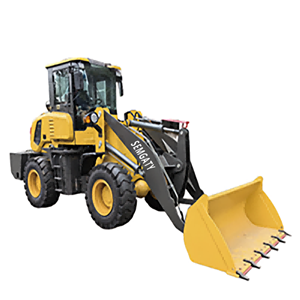
Material stacking and sorting represent core daily operations for construction and mining loading machinery. Standardized operating skills optimize material storage order, save site space and improve overall construction tidiness. Irregular stacking modes and chaotic sorting operations cause material mixing, space waste and repeated handling work. Mastery of professional practical techniques enhances operational efficiency and reduces mechanical wear during long-term cyclic tasks. Loader with standardized stacking and sorting workflows delivers orderly and efficient material management on various construction sites. Refined operational specifications improve construction quality and resource utilization rate of industrial Loader in bulk material management projects.
Pre-operation site planning and zoning lay foundation for standardized material sorting and stacking. Operators divide construction sites into independent areas for sand, gravel, ore, construction waste and finished materials before formal operation. Clear regional division avoids cross mixing of different materials and simplifies subsequent sorting and transportation work. Reserved safe passages for mechanical traveling and vehicle docking prevent operation congestion and route confusion. Reasonable site partitioning greatly improves sorting efficiency and stacking regularity for conventional wheel loader machine in multi-material working scenarios. Scientific site layout maintains orderly material management procedures of commercial wheel loader machine during long-term continuous construction.
Graded material shoveling and classified placement ensure accurate sorting effects. Different bulk materials feature distinct volume, density and application attributes requiring targeted shoveling methods. Loose granular materials receive gentle bucket shoveling to avoid scattering and intermixing with adjacent materials. Blocky and hard materials adopt stable layered digging to keep material integrity and complete classification. Height limitation for single stacking layers prevents material collapse and layered disorder. Accurate classified operation achieves neat material accumulation and improves sorting precision for heavy-duty big wheel loader in complex material handling tasks. Standard graded shoveling modes stabilize high-quality material management effects of large-scale big wheel loader for large-batch stacking projects.
Layered stacking technology enhances stability and standardization of material stockpiles. Flat base trimming forms horizontal supporting surfaces before large-scale material accumulation. Uniform thickness control for each stacking layer avoids inclined accumulation and unbalanced stress distribution. Symmetrical material piling from two sides to the center maintains integral stockpile firmness and prevents side collapse. Gradual height increase according to material particle size ensures compact internal structure of finished stockpiles. Layered standardized piling effectively reduces material collapse risks and maintains tidy field environments for long-term storage.
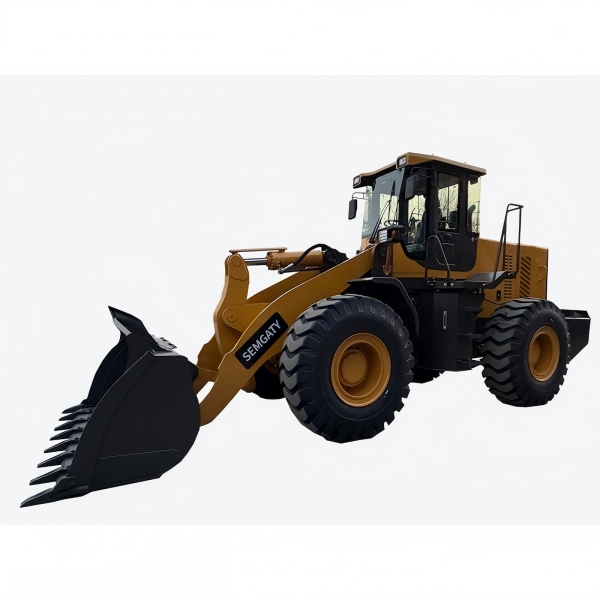
Precise bucket control skills reduce material scattering and sorting errors. Stable lever operation keeps consistent bucket lifting height and dumping angle during material placement. Slow bucket turnover completes uniform material falling without splashing and overflow outside designated areas. Appropriate bucket inclination adjustment adapts to different material particle sizes and sliding characteristics. Excessive shaking and rapid dumping cause material dispersion and cross contamination of classified materials. Refined bucket manipulation guarantees accurate material placement and reduces secondary sorting workload on construction sites.
Reasonable traveling route planning improves continuous sorting and stacking efficiency. Fixed cyclic traveling routes between material picking points and stacking areas eliminate random wandering and invalid moving distance. Shortened shuttle distance reduces single operation cycle and increases daily material processing volume. Avoidance of cross traveling with other construction machinery prevents site blockage and operation interruption. Unified route arrangement maintains smooth and orderly mechanical operation rhythm for batch material sorting and stacking work.
Height and distance standardization unifies overall stockpile specification. Unified height standards for same-type materials keep consistent appearance and space utilization rate of entire storage areas. Fixed horizontal spacing between different material stacks reserves maintenance and transportation gaps. Strict control of stacking boundary ranges avoids material crossing and category confusion. Standardized dimensional control facilitates later material counting, inspection and outbound transportation. Uniform stockpile specification greatly improves overall standardization degree of construction site material management.
Targeted adjustment for special materials optimizes sorting and stacking quality. Light and fine materials require low-height slow dumping to reduce flying dust and material loss. Heavy block materials need low-position placement to buffer impact force and prevent ground collapse. Moist viscous materials adopt layered scattered placement to avoid internal bonding and integral hardening. Dry loose materials implement compact layered stacking to enhance stockpile stability. Flexible skill adaptation for different material attributes eliminates sorting defects and stacking safety hazards.
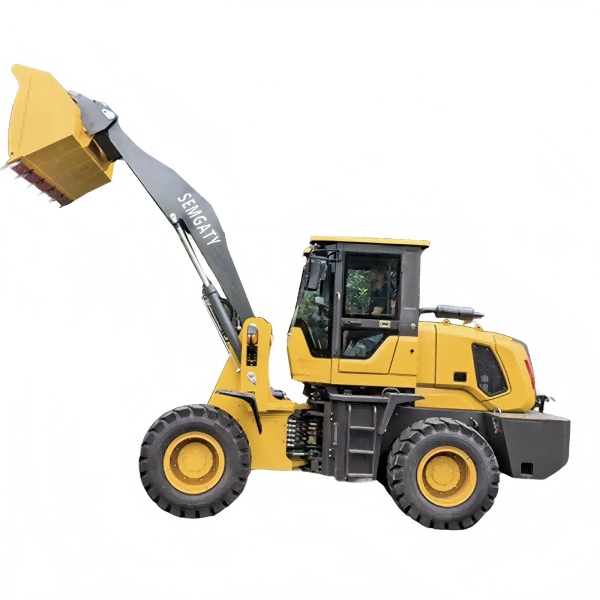
Real-time site cleaning assists efficient material sorting and stacking. Timely removal of scattered residual materials in operation areas keeps flat and clean working grounds. Clean working surfaces prevent mixed accumulation of new and old materials and ensure pure classification results. Regular clearance of overflowing materials at stacking boundaries maintains neat stockpile edges and standardized shapes. Continuous site tidiness provides stable basic conditions for subsequent cyclic sorting and stacking operations.
Cooperative operation with transport personnel improves material classification accuracy. Effective on-site communication ensures correct material classification standards and accurate stacking area positioning. Synchronized progress of material unloading, sorting and stacking avoids task disconnection and operational delay. Timely information docking adjusts operation schemes according to material batch changes and construction demands. Good team coordination eliminates misclassification problems caused by information asymmetry in multi-link material management work.
Regular stockpile finishing maintains long-term standardized stacking effects. Wind erosion, rain washing and manual trampling cause stockpile deformation and material mixing after long-term placement. Timely manual and mechanical trimming repairs irregular stockpile edges and collapsed parts. Reclassification of mixed impurity materials restores pure material classification standards. Periodic finishing work guarantees continuous neat appearance and accurate classification of all stored materials.
Standardized operation management improves comprehensive benefits of material handling. Integration of site planning, classified shoveling, layered stacking and real-time finishing forms complete material sorting and stacking systems. Scientific practical skills reduce material waste, save site space and lower secondary labor costs. Stable and orderly material management accelerates construction progress and improves overall standardized level of engineering projects. Professional operation strategies maximize working efficiency and management value of loading machinery in bulk material stacking and sorting scenarios.