Procurement Identification Guide: Brand-new Machines and Full-stock Compact Loaders
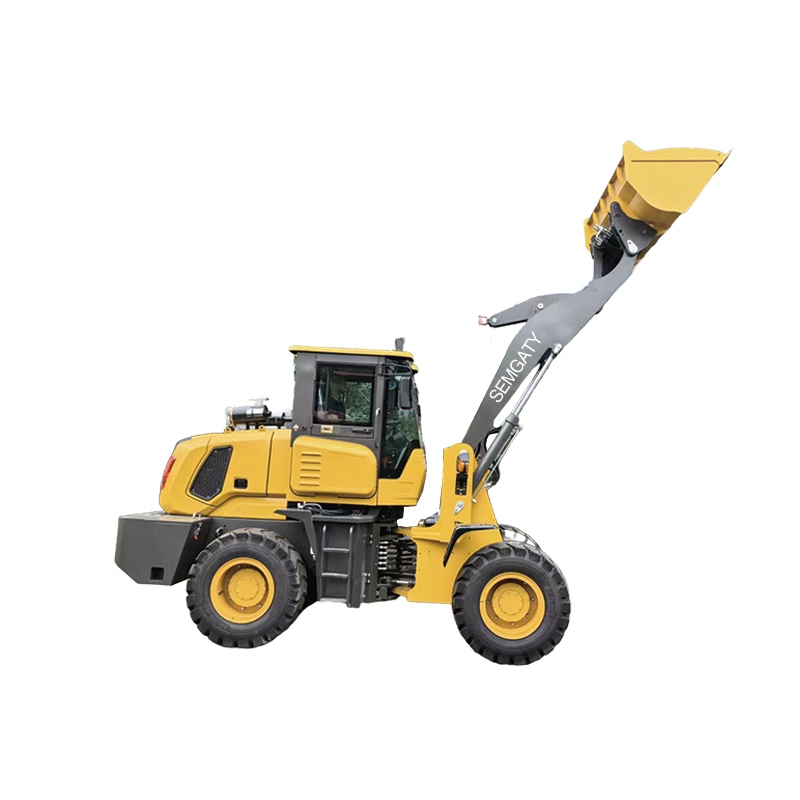
Cross-border compact loader procurement often involves two mainstream product categories including newly manufactured machines and unused full-stock machines. Both types of equipment maintain complete factory configuration and zero operating records, yet present subtle differences in production time, component state, accessory matching and market pricing.
articulating wheel loader and
compact front end loader frequently appear in stock sales and new order production for mature market demand and standardized manufacturing systems. Accurate identification methods help overseas buyers avoid procurement confusion, control equipment quality and lock reasonable price advantages in international machinery trading.
Production batch and manufacturing timestamp serve as the primary distinguishing indicator for loader procurement. Brand-new machines correspond to customized production schedules arranged after confirmation of purchaser orders. Production dates of such equipment stay close to delivery time with fresh component assembly and zero storage cycle. Full-stock loaders refer to mass-produced equipment completed in advance by manufacturers for market reserve. Long-term warehouse placement creates invisible differences in component aging, lubrication state and sealing performance despite zero field operation records.
Core component status generates essential gaps between new production loaders and stock loaders. Factory new machines adopt freshly processed engine parts, hydraulic components and rubber accessories with stable physical properties and optimal flexibility. All lubricating oil, hydraulic fluid and sealing materials maintain original factory activity without natural attenuation. Stock equipment undergoes long-term static placement, leading to slight aging of rubber sealing parts, precipitation of lubricant components and reduced tightness of assembled joints under constant temperature and humidity changes.
Market pricing rules form obvious differentiation between two types of loader products. Custom brand-new machines follow official quotation standards with fixed profit space and few discount channels. Strict production scheduling and customized packaging processes guarantee standardized product quality and complete document certification. Full-stock loaders support flexible price adjustment strategies for inventory digestion needs. Manufacturers offer substantial preferential policies to accelerate capital turnover, bringing higher cost performance for bulk procurement orders.
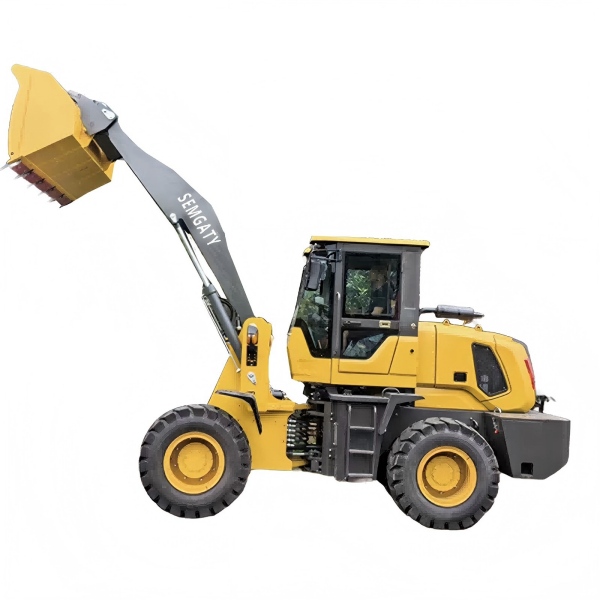
compact front loader shows typical distinguishable features between new production versions and stock inventory versions. Standardized lightweight structure and universal configuration make such equipment the largest inventory volume among compact loader products. Newly produced units feature updated factory parameter calibration and latest accessory matching standards. Stock units retain original configuration standards of previous production batches and fail to synchronize minor technical upgrades of current factory versions.
Certification validity and document matching degree differ greatly in two procurement modes. Brand-new loader products come with fully updated qualification certificates, emission test reports and factory inspection documents consistent with production batches. Complete paper and electronic files support smooth customs clearance and long-term after-sales warranty services. Stock equipment carries certification documents corresponding to original production years. Partial regional environmental standards and trade audit rules may generate subtle adaptation deviations for early batch certification files.
External protection and packaging states provide intuitive identification basis for buyers. Newly manufactured loaders complete overall packaging, paint protection and component debugging immediately before delivery. Surface paint layers maintain uniform gloss without oxidation and dust accumulation. Stock loaders stay in warehouse environments for months or even years. Long-term static placement causes faint surface oxidation, tiny dust adhesion and slight color difference on metal shells even with basic protective measures.
articulating wheel loader presents hidden structural differences between new production units and stock units. Articulated connection structures of newly finished products undergo precise debugging and gap calibration to ensure flexible steering and uniform stress bearing. Stock articulated loaders experience long-term static gravity pressure, leading to tiny fixed gaps in movable joints and slight reduction of steering flexibility in initial operation stages. Professional structural inspection effectively identifies such subtle equipment differences.
Lubrication system maintenance state constitutes key detection item for stock loader identification. Factory new machines inject fresh lubricating grease and hydraulic oil to meet standard operating parameters. All fluid indices stay within optimal numerical ranges. Stock equipment keeps static fluid state for a long time. Internal fluid precipitation and component static friction affect initial operating smoothness. Secondary fluid replacement and system flushing become necessary preparation steps for stock loader delivery.
Configuration upgrade and technical iteration reflect long-term value gaps of two equipment types. Construction machinery manufacturing technology realizes continuous annual upgrading in emission control, hydraulic optimization and energy-saving calibration. Brand-new customized loaders apply latest factory technical standards and optimized structural details. Stock loaders retain technical design of fixed production cycles and cannot synchronize subsequent iterative upgrades, resulting in minor gaps in energy consumption performance and operation precision.
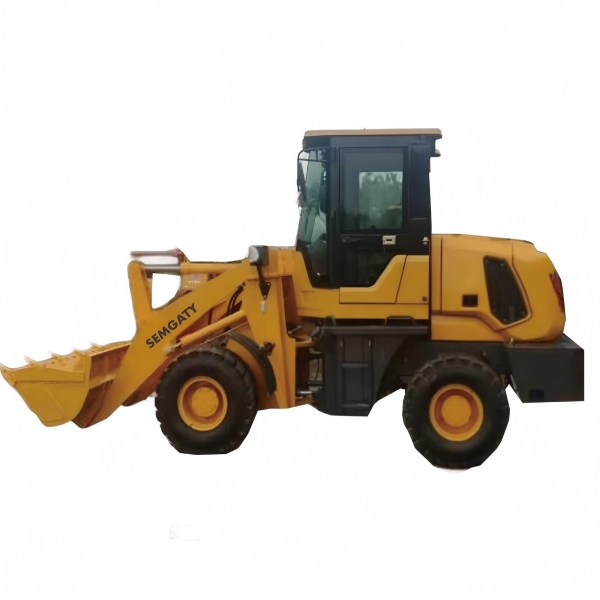
compact front end loader embodies balanced differences between new production and stock inventory in medium-sized compact loader markets. Moderate functional configuration and wide market applicability lead to large-scale stock reserve by manufacturers. Newly produced units integrate upgraded dustproof structures and optimized heat dissipation systems. Stock units maintain classic stable structures with reliable performance and lower procurement costs, meeting conventional engineering operation demands perfectly.
After-sales warranty starting time and cycle rules differ significantly in two procurement modes. Warranty periods of brand-new loaders start from equipment delivery dates to provide full-cycle protection for subsequent operation. Stock loader warranty terms follow original factory production time regulations. Long inventory occupation periods consume partial effective warranty cycles and reduce actual after-sales guarantee duration for purchasers.
Spare parts matching and batch compatibility affect long-term equipment maintenance. Newly produced loaders match latest batch of factory accessories with complete compatibility and convenient replacement channels. Stock equipment belongs to early production batches. Partial upgraded accessories fail to achieve full interchangeability, bringing minor inconvenience for later maintenance and component replacement in overseas markets.
Reasonable procurement selection matches differentiated project demands and budget plans. Short-term urgent engineering projects and cost-sensitive bulk orders adapt to full-stock loader procurement with fast delivery and low pricing. Long-term high-standard engineering projects and high-end market sales layout require brand-new customized loaders to ensure latest technical configuration and complete warranty rights.
Accurate classification and identification optimize procurement benefits of compact loader products. Cost-effective inventory selection of
compact front loader satisfies conventional low-budget construction demands. Strict new machine inspection of
articulating wheel loader guarantees high-precision and high-stability operation for complex terrains. Standard configuration verification of
compact front end loader balances quality guarantee and cost control for diversified medium-load projects.
Systematic identification of new machines and stock loaders eliminates information asymmetry in cross-border machinery trade. Comprehensive inspection covering production time, component state, certification documents and after-sales terms helps overseas buyers screen high-quality equipment. Scientific procurement judgment maximizes equipment utilization value and economic benefits in global compact loader trading business.