Procurement Selection Guide: Imported vs Domestic Engines for Compact Loaders
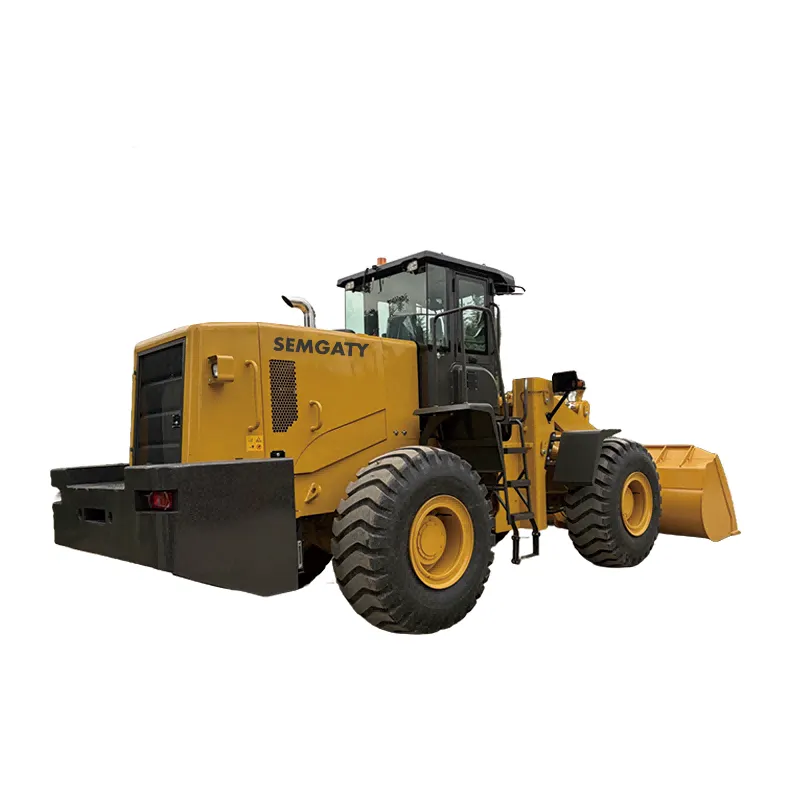
Power engines serve as the core power source determining working performance, operational stability and service life of compact construction loaders. Global small machinery procurement markets present two mainstream engine matching schemes including imported brand engines and independently developed domestic engines.
articulating wheel loader and
compact front end loader adopt differentiated power configurations to adapt to diverse construction scenarios and market access standards. Rational selection of engine types helps procurement enterprises balance equipment performance, procurement cost, after-sales maintenance and long-term operational benefits for engineering machinery projects.
Imported engines feature mature manufacturing technology, stable power output and strict quality control systems after decades of technical iteration and market verification. Well-known overseas engine brands own exclusive core technologies in fuel combustion optimization, power torque matching and emission control. Precise component processing standards and standardized assembly procedures reduce operational failure rates under high-intensity continuous working conditions. Such power units show outstanding adaptability in long-hour heavy-load construction and extreme temperature working environments.
Domestic engines witness rapid technical upgrading and performance improvement with the development of domestic construction machinery manufacturing industry. Modern mainstream domestic engine products realize breakthroughs in power parameter optimization, energy-saving transformation and emission upgrading. Independent research and development of core components effectively cut down production costs while meeting international mainstream emission standards. High cost performance and convenient after-sales support make domestic engines widely applicable in civil engineering, farmland construction and small-scale municipal projects.
Procurement cost difference constitutes the most intuitive distinction between imported and domestic engine configurations. Imported engines involve overseas manufacturing fees, cross-border transportation expenses, tariff costs and brand premium charges, leading to high overall equipment procurement budgets. Domestic engines complete full-process production and assembly in local industrial chains with shorter production cycles and lower comprehensive manufacturing costs. Price advantages of domestic power units effectively reduce initial investment pressure for machinery procurement enterprises.
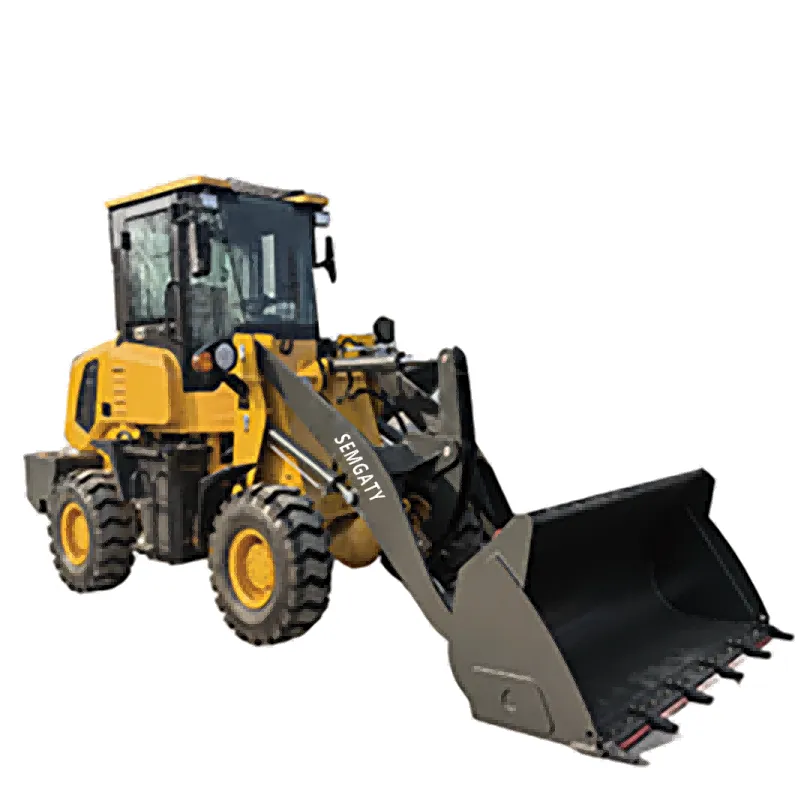
compact front loader commonly supports dual matching modes of imported and domestic engines to meet tiered market demands. Standard lightweight operation scenarios such as garden renovation, yard sorting and farmland leveling do not require extreme power performance. Matched domestic engines fully satisfy daily light-load working requirements and maintain stable operational states. Low procurement cost and simple maintenance modes create high economic benefits for small-scale long-term equipment operation.
Performance adaptation differences suit diversified construction intensity and environmental conditions. Imported engines deliver stronger torque reserve capacity and more stable power output under continuous heavy-load operation. Advanced heat dissipation systems and wear-resistant structural designs extend service life in dusty, humid and high-altitude complex environments. Domestic engines maintain stable performance under conventional working conditions but show slight power attenuation in long-duration ultra-heavy-load operation scenarios.
Emission compliance capacity affects global market access of exported compact loaders. Imported engines complete pre-certification of European Stage V, US EPA and other international emission standards, supporting direct entry into mainstream overseas markets. Newly upgraded domestic engines realize standardized emission parameter calibration and gradually obtain international qualification certifications. Early-generation domestic engine products still fail to meet strict environmental protection requirements of high-standard overseas regions.
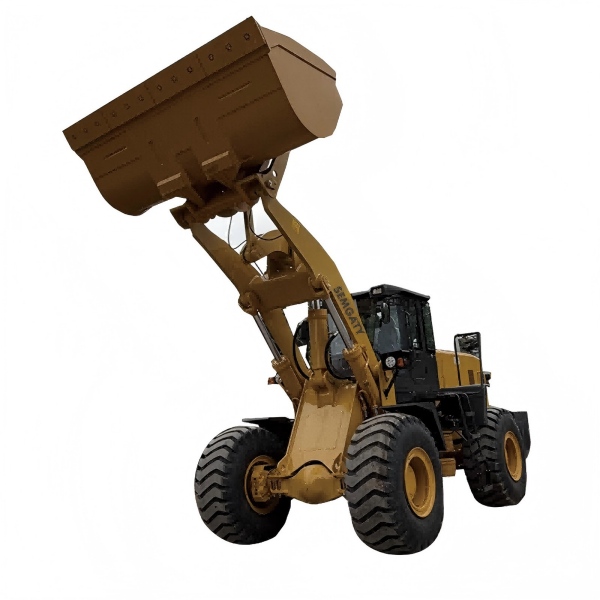
articulating wheel loader with flexible cross-country performance often matches high-standard power configurations for complex terrain construction. Large-gradient slope operation and uneven ground traveling require sustained and stable power output. Imported engine configurations guarantee no power loss during frequent start-stop and climbing operations. Optimized power matching further improves operational stability and construction safety of terrain-adaptive loaders.
After-sales maintenance efficiency and spare parts supply form key selection indicators for engine procurement. Imported engine spare parts rely on cross-border supply channels with long delivery cycles and high replacement costs. Professional maintenance technicians with brand certification remain relatively scarce in regional markets. Domestic engines own complete local spare parts inventory and widespread maintenance service outlets. Fast fault response and low maintenance costs reduce post-operation management pressure for equipment owners.
Fuel economy and long-term operational costs influence comprehensive project benefits. Imported engines adopt precise fuel injection control technology to improve fuel combustion efficiency and reduce unit fuel consumption. Advanced energy-saving designs lower long-term fuel input costs for high-frequency operation. New-generation domestic engines narrow the energy efficiency gap with imported products through technical optimization. Traditional domestic engine models show slightly higher fuel consumption under continuous full-load working states.
compact front end loader achieves balanced performance and cost advantages through reasonable engine configuration selection. Medium-load construction scenarios including road maintenance and small earthwork stacking adapt to both imported and domestic engine matching. Imported engine configurations pursue long-term stability and low failure rates for high-value engineering projects. Domestic engine configurations focus on cost control and convenient maintenance for bulk standardized procurement demands.
Durability and service life differences reflect core technical gaps between two types of engines. Imported engines adopt high-strength alloy materials and precision processing technology, with longer overhaul cycles and longer overall service life under standardized operation. Domestic engines continuously improve component durability and structural stability via technical upgrading. Mature manufacturing processes of mainstream domestic brands basically meet the service life requirements of conventional engineering machinery operation cycles.
Customization flexibility adapts to differentiated equipment design demands. Imported engine product parameters remain relatively fixed with limited customized modification space, unable to perfectly match personalized equipment transformation schemes. Domestic engine manufacturers provide flexible parameter adjustment and structural optimization services according to equipment positioning. Customized power schemes better fit the structural design and operational positioning of domestic compact loader products.
Market positioning and application scenarios guide targeted engine procurement decisions. Purchasing teams need to combine equipment usage frequency, construction environment, target sales market and budget standards for comprehensive judgment. Equipment for high-end overseas markets and high-intensity engineering projects prioritizes imported engine configurations to guarantee product competitiveness and compliance. Equipment for domestic conventional construction and low-end overseas markets chooses domestic engines to maximize cost performance.
Reasonable engine matching maximizes comprehensive utilization value of different loader models. Daily light-load operation of
compact front loader relies on cost-effective domestic engine configurations to reduce operational investment. Complex terrain and high-intensity construction of
articulating wheel loader adopt reliable imported engine power assemblies to ensure operational stability. Multi-scenario mixed application of
compact front end loader realizes flexible switching of two engine schemes to balance performance and cost.
Technical iteration trends continuously narrow the comprehensive performance gap between imported and domestic engines. Domestic engine manufacturers increase investment in core technology research and development, promoting continuous upgrading of emission standards, power performance and energy-saving indicators. Imported engine brands accelerate localized production and after-sales layout to reduce procurement and maintenance costs. Continuous industrial upgrading provides more diversified and optimized power configuration options for compact loader procurement markets.
Scientific engine procurement selection helps machinery enterprises build competitive product systems. In-depth comparison of cost, performance, compliance, maintenance and customized capacity avoids blind configuration selection and resource waste. Accurate matching of engine types and loader product positioning effectively improves equipment market adaptability and long-term operational benefits, supporting high-quality development of domestic compact loader export industry.