

Professional-knowledge-guide-of-wheel-loader-machine-for-global-buyers
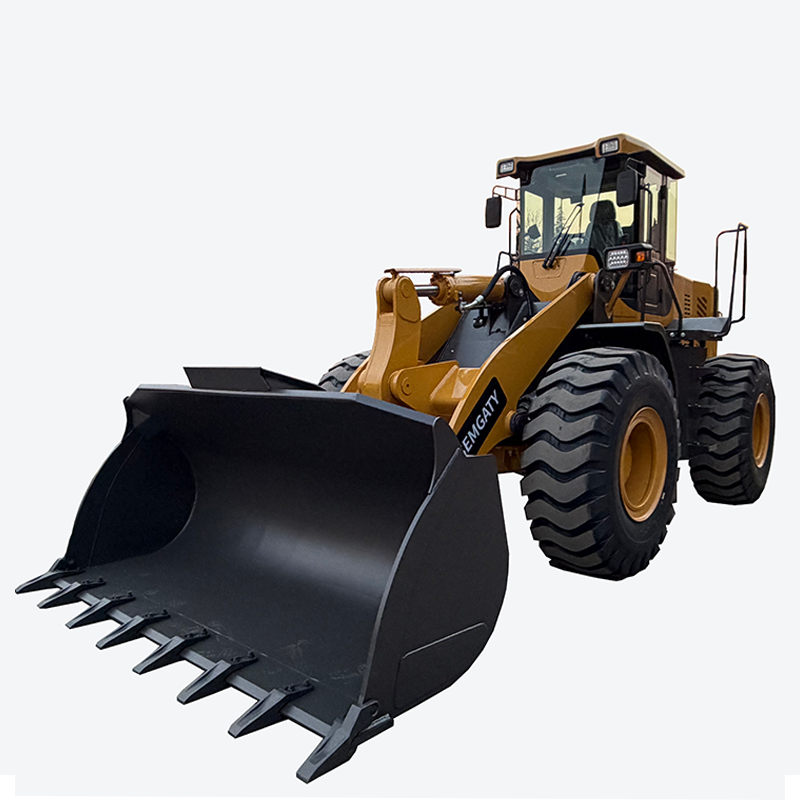
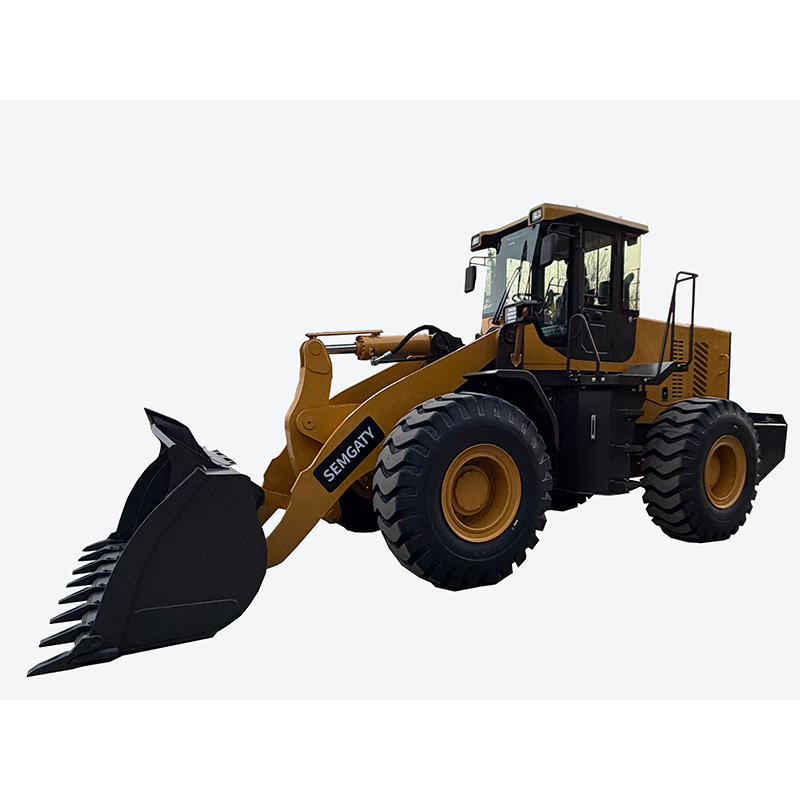
Wheel loader machine is one of the most important types of loader equipment in construction, mining, agriculture, port handling, and infrastructure projects. Wheel loader delivers powerful loading capacity, strong mobility, and high working efficiency. For overseas buyers searching for reliable wheel loader solutions, understanding professional knowledge about wheel loader machine helps improve investment returns and project performance.
Wheel loader machine integrates engine system, hydraulic system, transmission system, axle system, frame structure, and working attachment. Loader structure usually adopts articulated frame design. Articulated structure allows wheel loader to achieve flexible steering in narrow job sites. Wheel loader machine with articulated steering design reduces turning radius and increases maneuverability in complex environments.
Rated load capacity is the primary parameter when selecting wheel loader machine. Common wheel loader models range from 1 ton to 6 tons. Heavy-duty wheel loader used in mining applications can exceed 8 tons. Operating weight of wheel loader affects stability and transportation cost. Larger wheel loader machine provides stronger ground grip and improved balance during lifting operations.
Bucket capacity determines productivity of wheel loader. Wheel loader bucket volume varies according to material density. Sand, gravel, coal, fertilizer, and grain require different bucket configurations. Customized loader bucket improves efficiency for specific industries.
Engine system is the power core of wheel loader machine. Diesel engine is widely used in wheel loader because diesel engine provides high torque output and durability. Export-oriented wheel loader machine must comply with emission standards such as Euro III, Euro V, or EPA. Reliable engine brand enhances performance stability of loader under heavy working conditions.
Transmission system of wheel loader machine generally includes mechanical transmission, power shift transmission, and hydrostatic transmission. Power shift transmission is widely applied in medium and large wheel loader models. Power shift system enables smooth gear change without interrupting traction force. Efficient transmission improves working cycle time of wheel loader.
Hydraulic system plays a decisive role in working performance of wheel loader machine. High-pressure hydraulic pump ensures stable lifting and tilting of bucket. Optimized hydraulic pipeline reduces energy loss. Loader hydraulic system with quick response speed increases loading frequency and reduces fuel consumption. Professional hydraulic configuration enhances durability of wheel loader in long-term projects.
Drive axle structure determines load-bearing capacity of wheel loader machine. Heavy-duty planetary reduction axle supports strong torque transmission. Reliable braking system ensures safety during full-load operation. Loader equipped with air-over-hydraulic brake system improves braking stability. Tire selection also influences performance of wheel loader. Construction tire, rock tire, and agricultural tire options adapt loader to different terrains.
Operator cabin design directly affects productivity of wheel loader machine. Ergonomic seat, adjustable steering column, wide-angle glass, and air conditioning system improve operator comfort. ROPS and FOPS certified cabin increases safety level of wheel loader. Comfortable working environment reduces fatigue and improves operational accuracy of loader during extended shifts.
Wheel loader machine supports multiple attachments beyond standard bucket. Pallet fork, log grapple, snow blade, and quick coupler expand application scope of loader. Multi-functional wheel loader increases return on investment for contractors and distributors.
Regular maintenance ensures long service life of wheel loader machine. Engine oil replacement, hydraulic oil inspection, transmission oil monitoring, and lubrication of hinge pins are essential procedures. Scheduled maintenance reduces downtime of loader and protects capital investment. Professional after-sales support strengthens reliability of wheel loader in overseas markets.
Wheel loader machine is widely applied in construction material loading, mining excavation assistance, port cargo transfer, agricultural feed handling, and municipal engineering. Versatile application scenarios make wheel loader an indispensable loader solution in global infrastructure development. Selecting suitable wheel loader model according to project requirement is critical for cost control and operational efficiency.
Global buyers should evaluate emission regulations, spare parts supply chain, shipping dimension, climate adaptability, and after-sales service capacity before purchasing wheel loader machine. Experienced manufacturer with export background ensures smooth logistics and technical guidance for wheel loader delivery.
Wheel loader machine represents a combination of power, durability, and flexibility. Professional understanding of loader structure, hydraulic configuration, transmission system, and maintenance management helps distributors and contractors choose competitive wheel loader products.
Wheel loader continues to support global construction growth. High-quality wheel loader machine provides reliable performance and stable productivity in demanding environments. Selecting advanced wheel loader from professional manufacturer ensures long-term cooperation and sustainable business expansion.