

Safe and Efficient Field Operations with Rough Terrain Forklift Truck and Four Wheel Drive Forklift
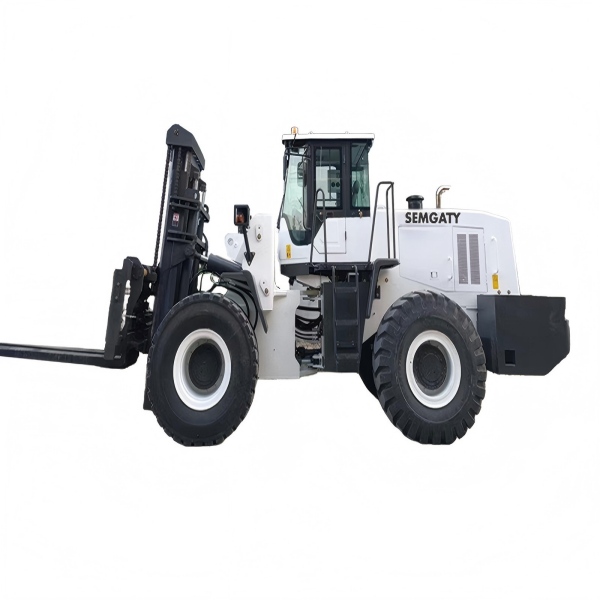
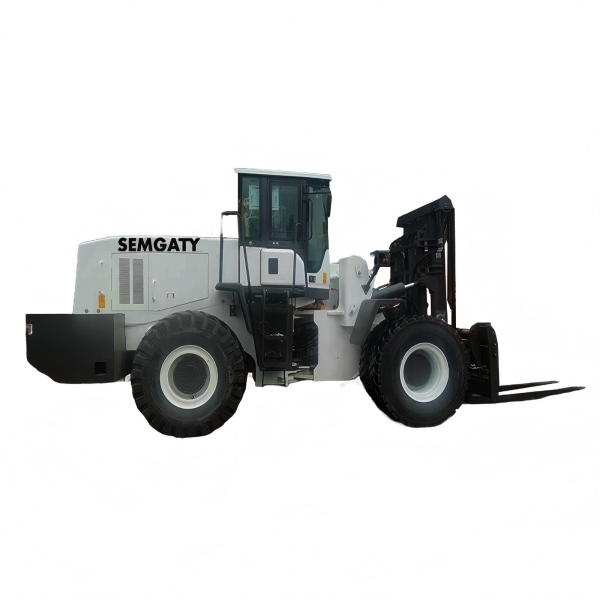
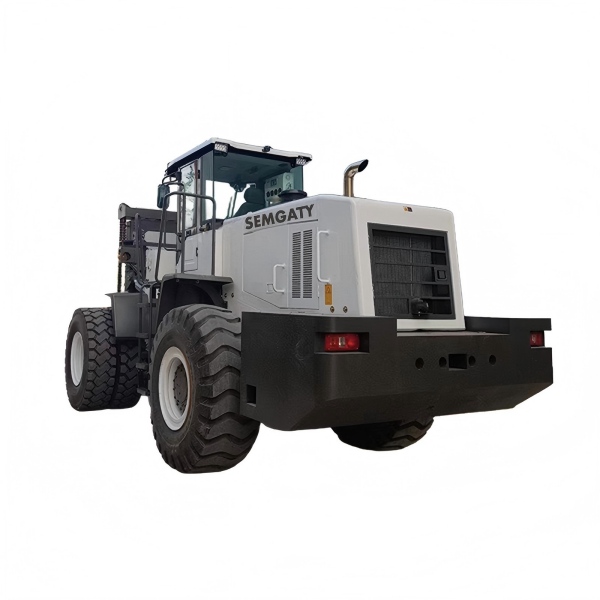
In agricultural logistics, field transportation, and off-road material handling, a rough terrain forklift truck, four wheel drive forklift, or heavy rough terrain forklift plays a critical role. Field environments such as muddy soil, wet pathways, uneven slopes, and narrow ridges demand professional machinery and skilled operators to maintain stability and high operational efficiency. Correct driving techniques significantly reduce the risk of getting stuck and enhance workplace safety.
When operating a rough terrain forklift truck on muddy ridges or rain-soaked paths, avoid aggressive throttle during start-up. Starting in first gear can cause wheel spin and vehicle sinking. A four wheel drive forklift should start in second gear with gentle throttle control, allowing the tires of a heavy rough terrain forklift to gradually establish traction and avoid unnecessary slippage.
Climbing slopes with a rough terrain forklift truck requires maintaining momentum and even throttle input. Operators should pre-plan acceleration distance, keep a constant speed during the slope, and avoid mid-way throttle release. In case of wheel slip, a four wheel drive forklift should steer gently in the sliding direction while applying slight throttle to regain traction, instead of braking abruptly or counter-steering, which could destabilize a heavy rough terrain forklift.
Descending slopes safely with a rough terrain forklift truck involves speed control and engine braking. Operators should engage a low gear, disable cruise control, and avoid repeated braking to prevent brake overheating. Four wheel drive forklift models with hill descent control automatically regulate braking, allowing operators to focus on steering. Choosing compacted routes, such as previous tire tracks, provides stronger ground support for a heavy rough terrain forklift, reducing the risk of sinking into soft soil.
On side slopes, a rough terrain forklift truck must remain parallel to the slope. Crossing slopes exceeding 25 degrees is unsafe for a four wheel drive forklift. Heavy loads must be secured to prevent center-of-gravity shifts. If parking on an incline, operators should engage the parking brake, select a low gear, and place chocks behind the tires of a heavy rough terrain forklift.
Regular maintenance and professional management are key to continuous operation of a rough terrain forklift truck. Trained operators must check tire pressure, four-wheel drive function, differential lock, and ground clearance before operation. Off-road tires with deep treads improve traction for a four wheel drive forklift, and reducing tire pressure by 10%-15% increases the ground contact area for a heavy rough terrain forklift. After each workday, clean mud from the chassis and inspect suspension and transmission systems for any damage.
Selecting specialized machinery such as a rough terrain forklift truck or a four wheel drive forklift with full-time four-wheel drive, high ground clearance (≥280mm), and four-wheel steering greatly improves field mobility. Four-wheel steering heavy rough terrain forklift models can achieve turning radii smaller than four meters, navigating narrow 1.5-meter-wide ridges efficiently. Multi-attachment options, including clamps and side shifters, allow a rough terrain forklift truck to perform multiple tasks, reducing equipment changeover and boosting operational efficiency.
Field operations are a combination of professional skill and disciplined management. Every journey in a four wheel drive forklift or heavy rough terrain forklift must prioritize safety, adhere to standard procedures, and rely on trained operators.
Integrating professional driving techniques with rigorous equipment management ensures safe, productive, and environmentally sustainable field operations with a rough terrain forklift truck, four wheel drive forklift, or heavy rough terrain forklift.