Service Life Extension Methods for Big Wheel Loaders Under Heavy Load Working Conditions
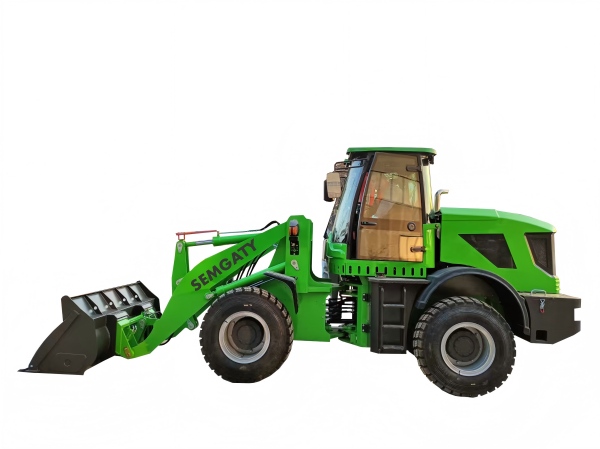
Heavy-load construction scenarios including mining exploitation, gravel stacking and large-scale earthwork place extreme operating pressure on loading machinery. Continuous high-intensity operation, frequent impact friction and complex ground conditions easily cause structural wear, hydraulic attenuation and component fatigue damage. Scientific operation and maintenance strategies effectively slow equipment aging and extend overall service cycle of construction machinery.
Loader with professional heavy-duty protection measures maintains stable mechanical performance in harsh working environments. Targeted maintenance and operation standards maximize the service value of engineering
Loader for long-term heavy construction projects.
Standardized load control acts as the core measure to protect mechanical structures under heavy working conditions. Many construction teams pursue high working efficiency and arrange long-term overload operation for loading equipment. Excessive load beyond rated parameters generates strong pressure impact on frames, hydraulic cylinders and transmission systems. Continuous overload operation accelerates metal fatigue and causes invisible structural deformation. Strict compliance with factory rated load standards avoids excessive bearing pressure and structural damage. Reasonable task allocation and load balancing effectively reduce fatigue loss and prolong service life of industrial
wheel loader machine in frequent heavy-load cycles. Scientific load management maintains complete structural stability of standard
wheel loader machine in long-term harsh construction.
Optimized operation habits reduce impact wear for heavy-duty mechanical components. Violent working behaviors including sudden startup, rapid shoveling and emergency braking bring huge instantaneous impact on whole equipment. Repeated rigid impact causes welding stress concentration, gear abrasion and hydraulic pipeline jitter. Gentle and smooth operation modes buffer external force impact and realize uniform force bearing of all mechanical parts. Steady acceleration, deceleration and flexible shovel feeding reduce invalid structural friction and impact loss. Refined operation specifications greatly improve durability and working stability of heavy-duty
big wheel loader under high-frequency load tasks. Standard working modes delay overall aging progress of large-scale
big wheel loader in extreme construction scenarios.
Regular component lubrication maintenance eliminates dry friction damage under heavy loads. High-load operation increases friction intensity of chassis hinge points, bearing parts and transmission gears. Insufficient lubricant supply leads to dry friction between metal components, resulting in rapid abrasion and gap enlargement. Timely grease supplementation and lubricant replacement form protective oil films on metal contact surfaces. Uniform lubrication reduces mechanical friction resistance and lowers heat generation during high-intensity operation. Sufficient lubrication maintenance avoids early wear of key moving parts and maintains flexible mechanical operation state for long-term heavy work.
Timely inspection and replacement of vulnerable parts prevent linkage damage of core structures. Bucket teeth, pin shafts, sealing rings and wear-resistant plates bear the most direct friction and impact in heavy-load construction. Severe wear of these parts loosens assembly gaps and causes unbalanced force bearing of whole equipment. Abnormal gap values further aggravate vibration and wear of adjacent core components. Regular detection of vulnerable part wear degree and timely replacement of failed accessories keep equipment assembly precision within standard range. Low-cost vulnerable part maintenance effectively avoids high-cost core component damage and structural overhaul.
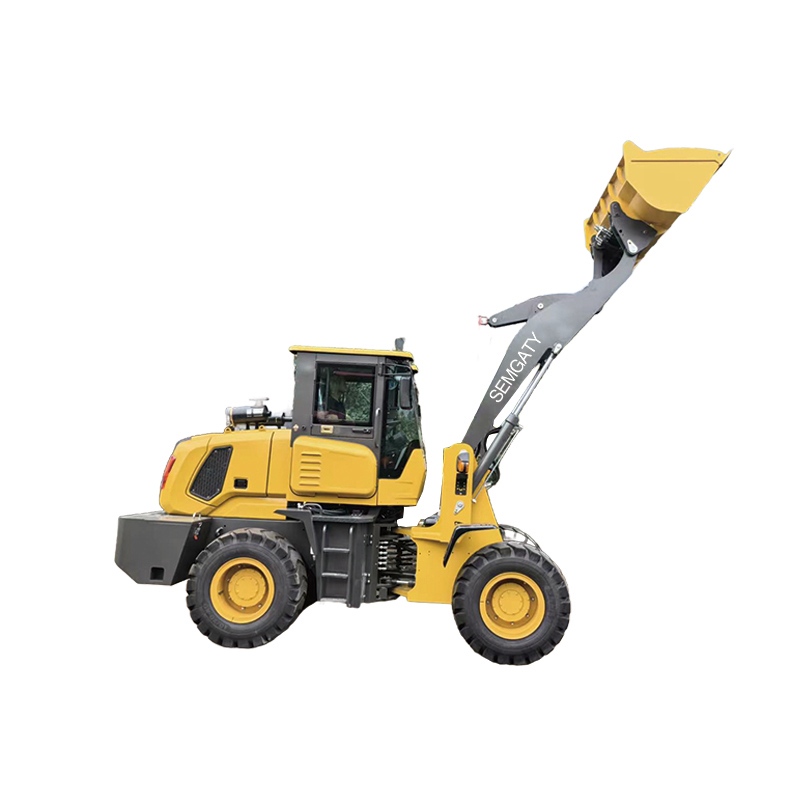
Professional hydraulic system maintenance stabilizes power output under heavy loads. Hydraulic systems provide all power support for shoveling, lifting and dumping actions of loading equipment. Long-term high-pressure operation easily causes oil liquid deterioration, pipeline aging and sealing fatigue. Unprocessed hydraulic system problems lead to insufficient power output, slow action response and internal pressure leakage. Regular replacement of hydraulic oil and filter elements ensures clean internal circulation environments. Inspection and reinforcement of sealing structures and pipelines maintain stable hydraulic pressure transmission. Complete hydraulic protection avoids power system failure and extends service life of core power components.
Structural cleaning and anti-corrosion maintenance protect metal rigidity in harsh environments. Heavy-load construction sites usually contain massive dust, sediment, humid moisture and corrosive substances. Long-term attachment of dirt and moisture causes metal rust, paint peeling and structural corrosion. Corroded metal structures reduce integral rigidity and anti-impact performance. Timely cleaning of surface sediment and internal dust after daily construction reduces corrosive substance adhesion. Regular anti-corrosion coating repair and surface protection treatment restore structural anti-aging ability. Persistent anti-corrosion maintenance delays structural aging and maintains original mechanical strength of equipment.
Reasonable intermittent rest reduces mechanical fatigue accumulation under continuous operation. Long-term non-stop heavy work causes continuous heat accumulation and fatigue stress inside mechanical components. Sustained high-temperature operation and stress accumulation accelerate material aging and component performance attenuation. Appropriate rest intervals allow equipment heat dissipation and stress release. Short shutdown gaps reduce continuous load pressure on engines, hydraulic systems and frame structures. Scientific work and rest balance effectively relieves mechanical fatigue and avoids irreversible performance loss caused by overworking.
Seasonal targeted maintenance adapts equipment performance to extreme ambient temperatures. High-temperature summer environments easily cause engine overheating, oil liquid thinning and hydraulic system overpressure. Low-temperature winter conditions lead to oil liquid thickening, poor fluidity and difficult startup. Targeted seasonal maintenance includes heat dissipation system cleaning in summer and antifreeze protection in winter. Adjustment of oil viscosity and system parameters according to ambient temperatures ensures stable operation in extreme weather. Seasonal optimization prevents seasonal faults and reduces performance attenuation under temperature changes.
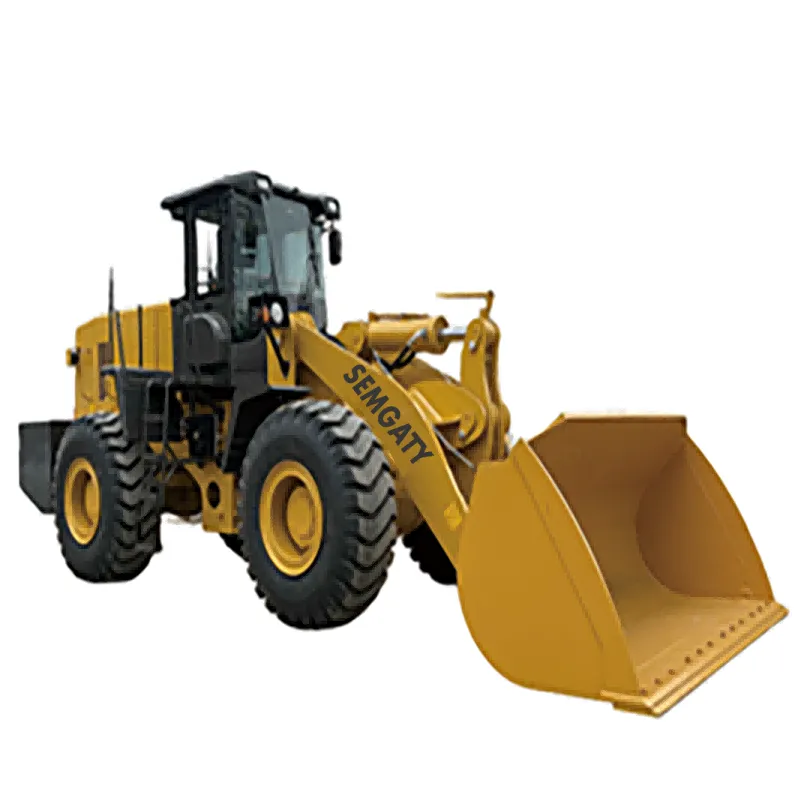
Chassis system maintenance guarantees stable traveling and load bearing performance. Chassis structures undertake all load pressure and ground impact during equipment operation. Abnormal tire pressure, severe tire wear and loose chassis parts cause unbalanced load bearing and increased vibration. Continuous unbalanced operation aggravates frame deformation and component wear. Regular tire pressure adjustment, tire condition inspection and chassis bolt fastening maintain stable chassis structure. Complete chassis protection reduces vibration loss and ground impact damage in heavy-load traveling and shoveling processes.
Engine maintenance ensures stable power output and reduces power attenuation loss. Engines provide core power support for all heavy-load construction actions. Blocked air intake systems, carbon deposit accumulation and deteriorated fuel reduce combustion efficiency and power performance. Insufficient power output forces engines to work under long-term high-load state and accelerates aging. Regular cleaning of air filter systems, carbon deposit removal and fuel system calibration restore engine power. Standard engine maintenance maintains efficient combustion state and reduces fatigue loss of power systems.
Scientific long-term maintenance systems combine multiple protection measures to maximize equipment service life. Persistent standardized operation, regular refined inspection and targeted seasonal maintenance form complete equipment protection mechanisms. Comprehensive maintenance modes eliminate most hidden faults and aging risks in heavy-load operation. Effective extension of equipment service cycle reduces equipment replacement frequency and long-term construction investment. Professional life extension methods create stable operational guarantee and higher economic benefits for various heavy-duty engineering construction projects.