Solutions for Hydraulic Leakage, Vibration and Abnormal Noise of Wheel Loaders
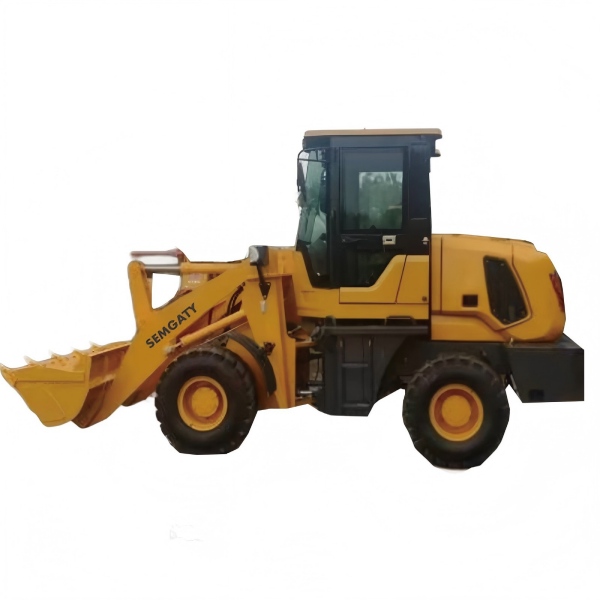
Hydraulic systems act as core power structures to support shoveling, lifting and dumping actions of construction loading equipment. Long-term high-pressure operation and harsh site environments easily trigger hydraulic leakage, mechanical vibration and abnormal running noise. Untreated hydraulic faults reduce construction efficiency, increase fuel consumption and induce progressive component damage. Timely diagnosis and professional troubleshooting maintain stable mechanical performance and reduce maintenance costs.
Loader with healthy hydraulic systems delivers consistent power output throughout high-frequency construction cycles. Effective hydraulic fault management preserves long-term working reliability of industrial
Loader in complex engineering scenarios.
Hydraulic leakage ranks among the most common hydraulic failures for loading machinery. Seal aging, loose pipeline joints and damaged hydraulic gaskets serve as primary causes of oil seepage and liquid leakage. Continuous pressure impact during loading operation accelerates rubber seal fatigue and creates tiny gaps for oil penetration. Dust and sediment adhesion scratch pipeline surfaces and produce micro cracks on hydraulic hoses. Regular visual inspection of cylinder rods, valve blocks and connecting pipelines helps identify early leakage traces. Replacement of aging sealing parts and fastening of loose pipe fittings eliminate low-pressure seepage effectively. Standard hydraulic maintenance procedures prevent fluid loss and pressure attenuation for commercial wheel loader machine during daily operation. Strict sealing inspection standards maintain complete hydraulic tightness for standard wheel loader machine in long-term service.
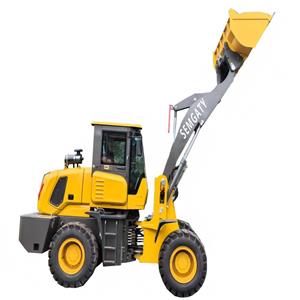
Mechanical vibration during equipment operation usually links to unbalanced hydraulic pressure and abnormal component coordination. Unclean hydraulic oil containing impurity particles causes unsmooth valve block movement and unstable flow distribution. Irregular flow output creates uneven cylinder force and generates periodic body vibration. Blocked filter elements and deteriorated hydraulic fluid aggravate flow fluctuation and amplify vibration amplitude. Comprehensive solutions include timely hydraulic oil replacement, filter element renewal and pipeline dirt cleaning. Pressure calibration of hydraulic systems balances internal flow and stabilizes power transmission. Professional hydraulic debugging eliminates shaking failures and ensures smooth operation of heavy-duty
big wheel loader under variable load conditions. System pressure optimization reduces mechanical jitter and structural fatigue of large-scale
big wheel loader.
Abnormal operating noise originates from hydraulic friction, air mixing and component abrasion inside hydraulic circuits. Air invasion into pipeline systems creates cavitation phenomena and produces harsh knocking sounds during pressure conversion. Insufficient lubrication of internal valve spools and worn gear structures generate continuous friction noise. Blocked oil passages increase fluid flow resistance and trigger high-frequency buzzing sounds during equipment movement. Effective noise elimination starts with oil tank ventilation inspection and pipeline air exhausting. Cleaning of blocked oil passages and replacement of worn hydraulic accessories restore quiet operating states. Stable fluid circulation and pure oil environments remove abnormal sound sources in hydraulic systems.
Standardized oil replacement cycles prevent repeated hydraulic failures caused by deteriorated fluid quality. Long-term circulating operation changes hydraulic oil viscosity and accumulates metal powder and dust impurities. Polluted oil reduces lubrication performance and accelerates abrasion of precision hydraulic parts. Regular fluid replacement based on working hours maintains stable oil purity and fluidity. Matching of oil viscosity with seasonal temperatures optimizes hydraulic system adaptability. Clean and qualified hydraulic oil guarantees smooth component movement and avoids secondary leakage and vibration problems.
Regular pipeline inspection and protection reduce external damage to hydraulic circuits. Exposed hydraulic pipelines face frequent friction with external sediment, sharp stones and structural components. Long-term external friction causes pipeline thinning and local damage. Improper pipeline fixation leads to frequent shaking and joint loosening during equipment operation. Reinforcement of pipeline fixing clamps and installation of protective rubber sleeves reduce external wear. Comprehensive inspection of bending positions and high-friction areas eliminates hidden leakage risks. Stable pipeline protection maintains complete hydraulic circulation systems for long-term construction work.
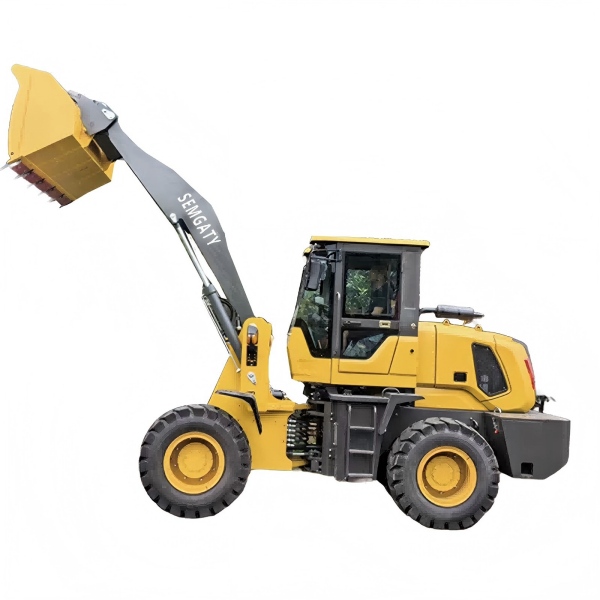
Professional valve block maintenance stabilizes hydraulic pressure balance and flow control. Valve block precision directly determines hydraulic action sensitivity and pressure uniformity. Impurity deposition inside valve holes causes unsmooth spool movement and unbalanced flow distribution. Partial blockage leads to inconsistent stretching speed of hydraulic cylinders and generates mechanical vibration. Regular ultrasonic cleaning of valve blocks removes internal dirt and residual sediment. Calibration of valve body pressure parameters restores accurate flow control capacity. Clean and calibrated valve structures eliminate vibration and noise caused by unbalanced hydraulic transmission.
Cylinder rod maintenance prevents leakage and abnormal friction noise. Scratches, rust spots and dirt adhesion on cylinder rod surfaces damage sealing rings during telescopic movement. Damaged seals create tiny leakage points and produce friction noise during cylinder operation. Regular cleaning and polishing of cylinder rod surfaces remove foreign attachments and repair minor scratches. Anti-rust coating protection avoids metal oxidation and surface roughness. Smooth cylinder rod surfaces reduce seal wear and maintain tight hydraulic sealing performance.
System pressure testing eliminates hidden pressure abnormity and equipment jitter. Long-term operation causes gradual deviation of hydraulic system pressure parameters from factory standards. Excessively high pressure increases pipeline load and induces vibration. Insufficient pressure leads to weak power output and unbalanced operation. Professional pressure detection instruments verify system pressure values and restore standard parameter ranges. Reasonable pressure matching adapts to different working loads and avoids abnormal stress inside hydraulic structures. Standard pressure testing effectively solves vibration problems caused by parameter deviation.
Operator standard operation reduces artificial hydraulic damage and fault recurrence. Violent handle operation, sudden full-load shoveling and frequent rapid steering cause instantaneous hydraulic pressure surge. Sharp pressure impact damages seals, distorts pipeline positions and creates internal component fatigue. Gentle and uniform handle operation maintains stable pressure rising speed. Gradual load bearing avoids instantaneous pressure peak and protects hydraulic system stability. Standard operation habits greatly reduce occurrence probability of hydraulic leakage and vibration failures.
Timely handling of early minor faults prevents major hydraulic system breakdowns. Slight oil seepage, faint vibration and tiny abnormal sounds represent early warning signals of system aging. Delayed maintenance allows continuous expansion of minor faults and triggers linkage damage of multiple hydraulic components. Early detection and targeted maintenance only require simple accessory replacement and parameter adjustment. Active troubleshooting modes avoid large-area pipeline replacement and system overhaul. Early intervention effectively controls maintenance costs and ensures continuous equipment availability.
Complete hydraulic maintenance systems guarantee long-term stable equipment operation. Combination of regular inspection, standardized oil replacement, component maintenance and operational regulation forms comprehensive fault prevention mechanisms. Systematic maintenance eliminates most hydraulic leakage, vibration and abnormal noise problems. Stable hydraulic performance improves construction efficiency and reduces long-term operational investment. Scientific hydraulic fault solutions maximize working stability and service value of loading machinery in various engineering projects.