Standard Construction Efficiency Improvement Strategies for Wheel Loaders
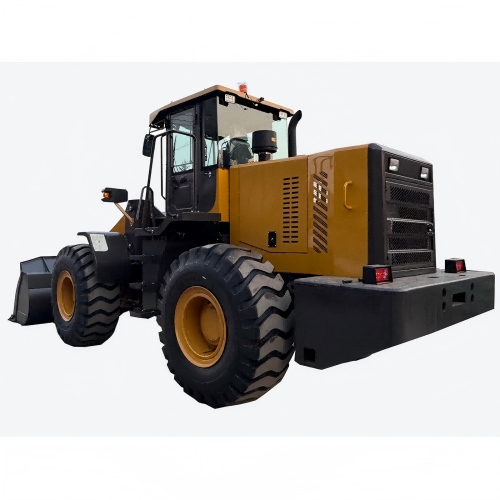
Modern engineering construction pursues high-speed progress and stable output in earthwork stacking, material handling and site leveling projects. Unstandardized operation modes and unscientific construction layouts restrict working output of loading machinery and cause unnecessary time waste. Systematic optimization of operating steps, site arrangement and equipment maintenance effectively boosts overall construction productivity. Mature efficiency improvement strategies reduce invalid operation links and stabilize continuous working capacity of construction machinery.
Loader under standardized construction management delivers higher hourly output in various complex working scenarios. Optimized operation systems fully release mechanical working potential of professional engineering
Loader for fleet construction projects.
Standardized cyclic operation procedures form the basic guarantee for efficient construction. Fixed and streamlined working rhythms eliminate disorderly operation behaviors and redundant movement links during material shoveling, lifting and discharging. Operators follow unified operation sequences to complete whole loading processes without repeated position adjustment and invalid waiting. Coordinated lever manipulation and steady power output shorten single operation cycle and increase daily task turnover volume. Scientific process optimization greatly improves overall construction efficiency of standard
wheel loader machine in long-term cyclic operation. Refined operation norms maximize unit time production capacity of commercial
wheel loader machine for large-scale batch construction tasks.
Reasonable load matching and bucket utilization optimization lift single-cycle working output. Strict compliance with rated load parameters avoids insufficient bucket filling and ineffective light-load operation. Full material filling within safe bearing range maximizes single transportation volume and reduces operation repetition times. Uniform material distribution inside buckets prevents material splashing and secondary cleaning work on construction sites. Accurate load control balances mechanical bearing pressure and construction efficiency to avoid overload stagnation risks. Optimized loading modes significantly improve overall working efficiency of heavy-duty
big wheel loader in bulk material handling work. Scientific bucket utilization strategies stabilize high-output operation state of large-scale
big wheel loader in continuous engineering construction.
Scientific construction site layout eliminates invalid traveling and operation obstacles. Pre-planned material stacking areas, vehicle parking positions and operation zones shorten traveling distance between shoveling points and discharging points. Concentrated material storage reduces scattered moving routes and frequent steering adjustment during cyclic work. Timely clearance of site obstacles, residual materials and uneven ground bumps maintains smooth traveling paths. Reasonable site planning cuts invalid operation time and ensures continuous high-frequency loading work. Well-organized construction environments provide favorable conditions for efficient and stable mechanical operation throughout working shifts.
Precise hydraulic operation control accelerates action response and shortens operation cycles. Gentle and synchronous manipulation of boom and bucket levers avoids disjointed actions and hydraulic jitter during working processes. Stable hydraulic pressure output maintains fast and consistent lifting, dumping and resetting speed. Abrupt lever operation causes hydraulic system pressure fluctuation and slow mechanical response to delay working progress. Standardized hydraulic control habits keep all mechanical actions smooth and efficient in high-intensity construction. Steady power transmission modes effectively improve action efficiency and reduce time consumption of each loading cycle.
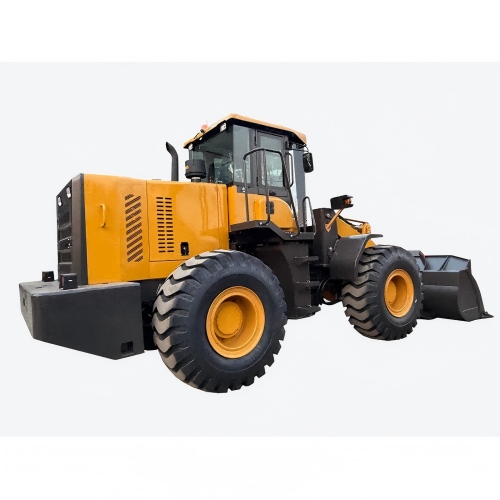
Routine preventive maintenance maintains stable high-efficiency working state for long-term construction. Regular cleaning of air filters, hydraulic filters and heat dissipation structures avoids power attenuation and slow system response. Timely lubrication of hinge points and movable parts reduces mechanical friction and action lag caused by component wear. Periodic inspection of hydraulic oil quality, engine operating state and sealing integrity eliminates minor faults affecting construction speed. Sustained good mechanical performance avoids unexpected shutdowns and efficiency attenuation in peak construction periods. Daily maintenance norms ensure long-term stable high-output operation of loading machinery.
Optimized vehicle docking and unloading coordination saves waiting time on construction sites. Accurate low-speed approaching and height calibration align bucket positions with transport vehicle carriage ranges efficiently. Precise dumping angle adjustment reduces material splashing and avoids repeated cleaning and supplementary loading work. Smooth communication with ground staff and vehicle drivers eliminates long-time idle waiting caused by unmatched preparation progress. Fast docking and discharging processes improve vehicle replacement efficiency and increase overall site daily throughput. Good cooperative operation modes eliminate time gaps in continuous loading and transportation links.
Adaptive operation adjustment for different materials improves targeted construction efficiency. Loose sand, gravel soil and hard rock materials require matched shoveling depth and bucket inclination parameters. Flexible adjustment of digging strength and feeding speed adapts to different material hardness and stacking states. Gentle layered shoveling for hard materials avoids repeated digging and machine slipping caused by one-time forced excavation. Rapid material filling for loose bulk materials maximizes single-cycle working output. Targeted operation strategies reduce invalid consumption and improve working adaptability in diversified construction scenarios.
Reasonable working rhythm arrangement avoids mechanical fatigue and efficiency decline. Proper intermittent rest after long-hour high-intensity operation allows engine and hydraulic systems to complete heat dissipation and stress release. Continuous nonstop operation leads to power attenuation, hydraulic oil overheating and slow mechanical response to reduce working speed. Balanced working and resting modes maintain stable mechanical performance throughout whole working shifts. Scientific rhythm planning avoids late-stage efficiency decline and ensures uniform high-output construction state all day long. Stable operation rhythm guarantees sustained and efficient construction progress of engineering projects.
Chassis and tire maintenance optimization ensures stable traveling efficiency on complex terrain. Standard tire pressure calibration and complete tread patterns maintain stable traveling speed and anti-slip performance on uneven ground. Sufficient chassis lubrication and fastened connecting parts reduce vibration and jitter during traveling and operation. Stable traveling state avoids frequent speed adjustment and position correction caused by terrain adaptation problems. Well-maintained walking systems reduce traveling resistance and ensure consistent high-efficiency shuttle operation on construction sites. Terrain adaptation maintenance eliminates efficiency loss caused by mechanical walking instability.
Professional operator skill upgrading promotes long-term efficiency improvement. Continuous accumulation of operation experience optimizes action fluency and reduces unnecessary operation steps. Standardized working gestures and proficient linkage operation shorten single loading cycle time significantly. Regular skill training corrects bad operation habits including repeated digging, random traveling and invalid idling. Improved operation proficiency reduces mechanical wear and fault probability while lifting construction output. Skilled operation capability forms core support for long-term high-efficiency construction of loading machinery.
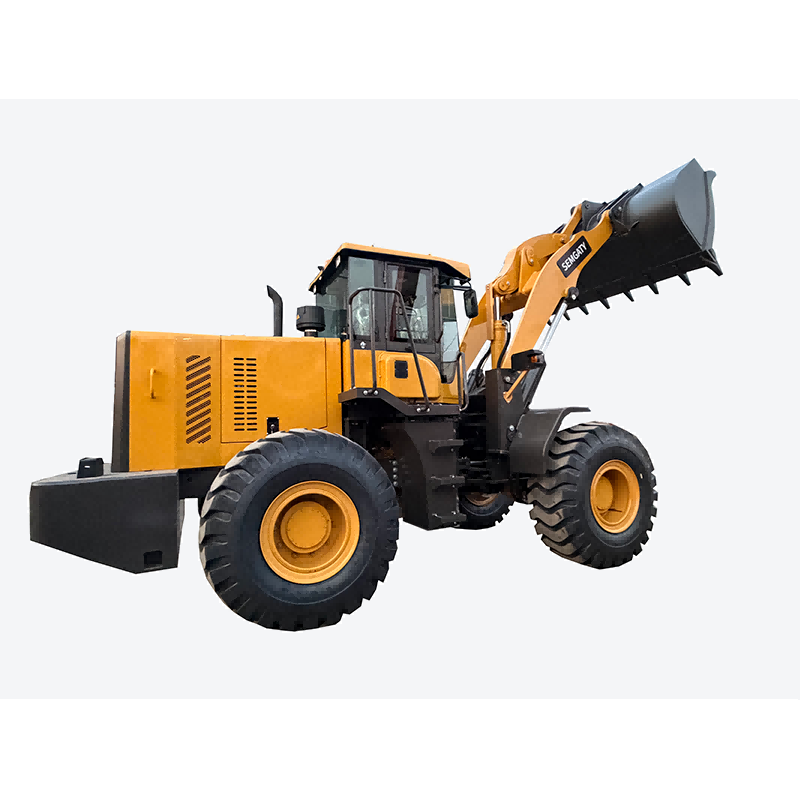
Integrated efficiency improvement system maximizes construction economic benefits. Combination of standardized operation procedures, scientific site management, regular equipment maintenance and flexible operation adjustment forms complete efficiency promotion mechanisms. Multi-dimensional optimization eliminates various factors restricting construction speed and mechanical output. Sustained high-efficiency operation shortens project construction cycles and reduces comprehensive operational costs. Systematic improvement strategies fully release construction potential of loading machinery and create greater value for various engineering projects.