Structural Advantages and Service Life Analysis of Articulated Compact Loaders
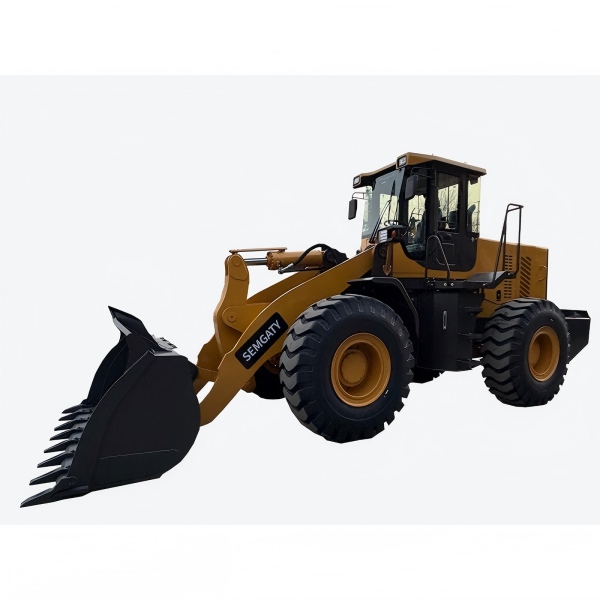
Compact construction loaders occupy core positions in small-scale infrastructure, farmland renovation and municipal maintenance projects due to flexible body design and diverse functional adaptation. Structural craftsmanship and overall frame layout directly determine equipment operating stability, fault frequency and long-term service cycle.
articulating wheel loader and
compact front end loader adopt exclusive body connection structures different from rigid frame machinery to adapt to complex working scenarios. In-depth exploration of structural strengths and life-span influencing factors guides users in equipment selection, standardized operation and daily maintenance to maximize mechanical utilization value.
Articulated body structures represent the core competitive advantage of mainstream compact construction loaders. Traditional rigid frame loaders feature integrated body design with fixed steering angles and poor terrain tolerance. Split front and rear body connection modes of articulated loaders realize independent angle adjustment during traveling and operation. Flexible steering coordination reduces structural torsion and ground impact force transmitted to integral frame, creating solid structural foundation for long-term stable equipment operation.
Flexible steering performance improves site adaptation and reduces mechanical wear loss. Articulated connection designs achieve smaller turning radii compared with rigid machinery of equal tonnage. Narrow construction passages, enclosed yard spaces and densely distributed obstacle areas allow free equipment shuttling without extra body collision and friction. Optimized steering mechanics lower fatigue loss of tire surfaces, steering shafts and connecting components in frequent direction adjustment processes.
Uniform stress distribution optimizes overall structural durability of loader frames. Complex terrains with slopes, pits and uneven ground generate asymmetric stress on machinery bodies. Articulated structures buffer unbalanced torsion through flexible middle connection joints and disperse pressure on local frame components. Balanced stress bearing state avoids concentrated fatigue damage on single structural parts and effectively prolongs overall service cycle of equipment frames.
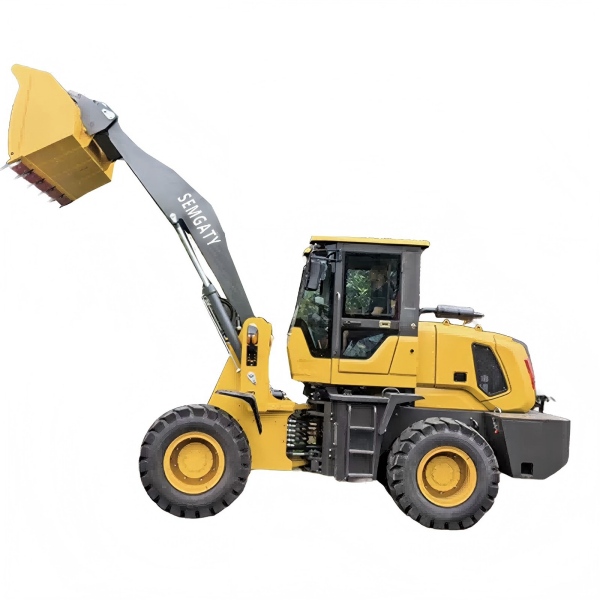
compact front loader adopts simplified optimized structural layout suitable for light-load long-term continuous operation. Streamlined frame design reduces redundant mechanical components and lowers overall body weight. Reasonable weight distribution minimizes ground pressure and surface friction during daily material handling and site leveling tasks. Stable structural operation state maintains consistent component durability and guarantees reliable service life under conventional working conditions.
Enhanced chassis and connection component configuration strengthens structural reliability of articulated loaders. Core connection joints adopt high-strength alloy forging technology and thickened wear-resistant accessories. Precision bearing assembly and sealed rotating structures block dust, muddy water and corrosive substances from invading movable parts. Professional structural protection schemes reduce abrasion, rust and clamping stagnation risks of key movable components in high-frequency operation.
Vibration buffering capacity constitutes prominent structural superiority of articulated loader models. Field construction produces continuous vibration impact from material shoveling, ground traveling and load lifting. Flexible middle connection structures absorb most instantaneous vibration energy and prevent full-body vibration transmission. Effective vibration reduction protects hydraulic pipelines, engine fixing parts and electrical systems from loose connection and accelerated aging.
articulating wheel loader relies on unique structural design to achieve outstanding durability in harsh working environments. Independent front and rear body floating structures adapt to undulating ground changes without rigid frame torsion. Reinforced welding technology of frame joints eliminates welding cracks and structural deformation risks under long-term alternating load. Superior structural toughness maintains complete mechanical performance and extends service life in high-intensity complex terrain operation.
Modular structural design facilitates daily maintenance and component replacement. Articulated loaders adopt segmented assembly modes for core mechanical systems including steering structures, hydraulic connection parts and walking assemblies. Detachable structural layout allows targeted disassembly, cleaning and replacement of worn components without integral frame dismantling. Convenient maintenance modes reduce long-term equipment aging speed and keep mechanical performance in optimal state.
Anti-fatigue structural design adapts high-frequency start-stop and cyclic operation demands. Engineering machinery working scenarios feature repeated load lifting, traveling and steering actions. Articulated connection joints with adjustable clearance compensate for minor component wear generated in long-term operation. Scientific structural tolerance design avoids loose operation accuracy and abnormal vibration caused by component aging.
compact front end loader integrates balanced structural advantages to coordinate flexibility and durability for medium-load operation. Optimized articulated steering mechanism matches moderate frame strength and hydraulic system layout. Structural design fully adapts to frequent scene switching of municipal construction, garden renovation and small earthwork projects. Stable structural performance delays equipment aging progress and ensures long-term consistent working efficiency.
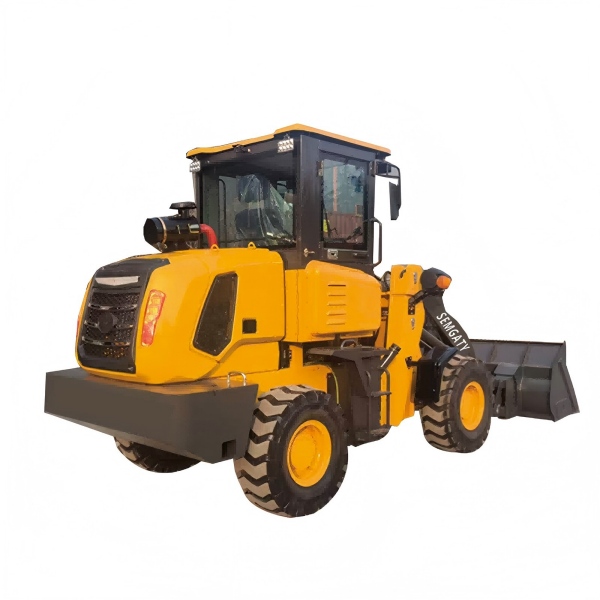
Working environment factors affect structural aging speed and final service life of loaders. Dust accumulation, muddy erosion, humid air and long-term overload operation accelerate wear of articulated joints and frame components. Standardized cleaning, lubrication and anti-corrosion maintenance effectively slow structural aging. Scientific daily management maintains original structural advantages and prolongs equipment service cycle by substantial margins.
Standardized operating habits protect structural integrity of articulated loader equipment. Violent steering, sharp climbing and overloaded shoveling generate excessive torsion and impact load on middle connection structures. Stable traveling speed, gradual steering adjustment and reasonable load control reduce instantaneous structural pressure. Standard operation modes retain long-term structural stability and avoid premature equipment scrapping.
Structural advantages translate into long-term economic benefits for machinery users. Loaders with excellent articulated structures present lower failure rates, fewer component replacement demands and longer service cycles. Reduced maintenance cost, decreased downtime loss and prolonged equipment utilization period greatly improve comprehensive return on investment. Such value advantages make articulated compact loaders popular in global small engineering machinery markets.
Differentiated structural characteristics form tiered service life performance for different loader models. Light-load daily operation of
compact front loader achieves stable structural wear rate and ultra-long service cycle under standardized maintenance. Complex terrain high-intensity operation of
articulating wheel loader relies on high-toughness articulated structures to resist structural fatigue damage. Multi-scenario adaptive structure of
compact front end loader balances durability and operational flexibility for diversified engineering demands.
Continuous structural technology iteration further elevates durability and practicality of compact loaders. Modern manufacturing enterprises optimize articulated joint precision, frame welding technology and sealing protection structures year by year. Upgraded structural designs enhance terrain adaptability, wear resistance and anti-fatigue performance. Continuous technical optimization strengthens core structural advantages and extends overall service life of compact loader equipment for global engineering applications.