Structural Reinforcement Solutions for Loaders Under Heavy-Duty Working Conditions
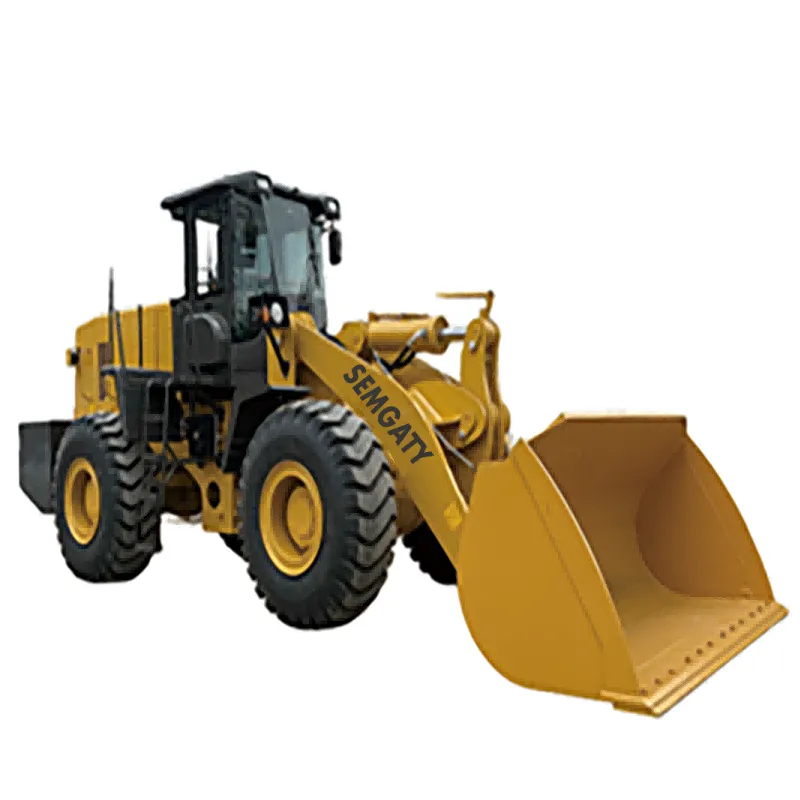
Heavy-duty working conditions including mining stacking, gravel handling, and long-term earthmoving pose severe structural challenges to construction loading equipment. Frequent heavy load impact, continuous vibration friction, and complex terrain extrusion easily cause structural wear, component deformation, and frame damage for ordinary engineering machinery. Reasonable structural reinforcement designs effectively enhance overall bearing capacity and operational stability of core loading equipment.
Loader with professional reinforcement treatments adapts to extreme high-load scenarios and extends full-service cycle in harsh construction environments. Scientific structural optimization and reinforcement construction become essential guarantees for stable operation of industrial
Loader in long-term heavy-duty work.
Frame structure reinforcement serves as the core foundation for high-load operation of engineering loading machinery. Ordinary equipment frames adopt conventional welding and forming processes with limited structural toughness, unable to withstand repeated impact loads in mining and large-scale construction sites. Professional reinforcement schemes start from raw material upgrading and structural optimization for key stress parts. Thickened high-strength alloy steel plates replace ordinary structural materials for main frame girders and connection bases. Integral forging molding technology eliminates split structural gaps and enhances overall frame rigidity. Such reinforcement methods greatly improve anti-deformation performance of
wheel loader machine under continuous heavy-load extrusion and collision. Optimized force-bearing distribution structures further balance mechanical stress of
wheel loader machine during multi-angle loading and shoveling operations.
Boom and bucket reinforcement design targets vulnerable parts of high-load loading operations. Boom and bucket undertake most impact force and friction resistance in material shoveling, lifting and dumping processes. Ordinary thin-wall structural parts suffer from edge wear, plate bending and weld cracking after long-term high-frequency heavy work. Systematic reinforcement measures include local thickening of high-wear areas, addition of triangular reinforcing rib plates, and built-in support beam structures. All welding joints of load-bearing components adopt full penetration welding technology and secondary stress relief treatment. Enhanced structural strength and impact resistance enable big wheel loader to handle bulk heavy materials such as ore and hard soil blocks efficiently. Optimized bucket internal structural layout also improves loading capacity and reduces abrasion loss of big wheel loader in long-term high-intensity working cycles.
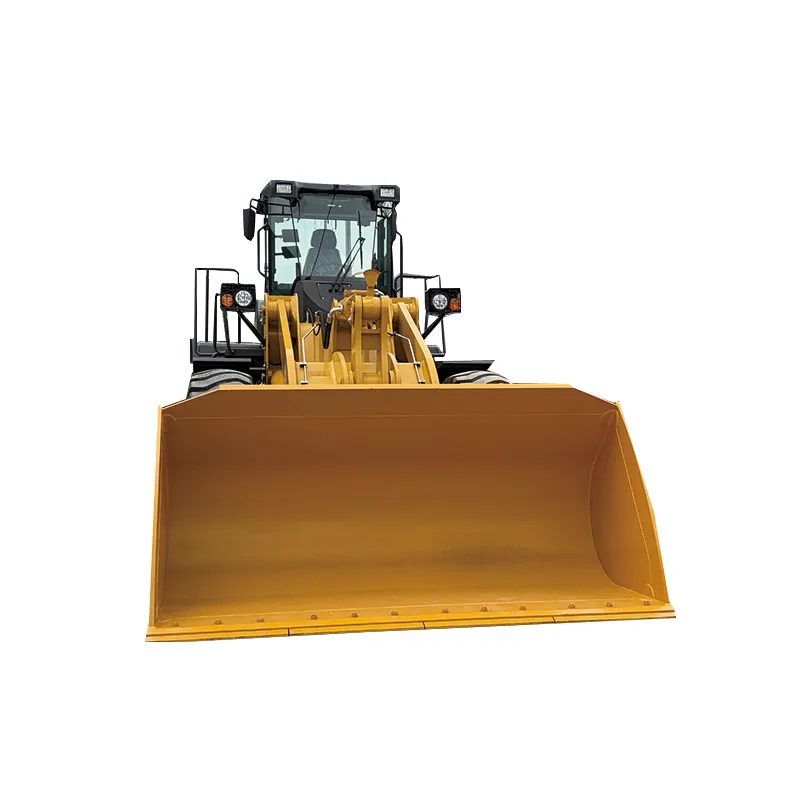
Hydraulic support structure reinforcement improves dynamic stability of high-load loading equipment operation. Hydraulic cylinders, connecting rod assemblies and pipeline fixing structures bear huge alternating pressure during lifting and stretching movements. Ordinary fixing structures produce loose displacement and component friction under long-term high-pressure working states, leading to unbalanced power output and accelerated part aging. Reinforcement solutions add high-strength fixed brackets and limit structures for hydraulic cylinder bases and connecting rod joints. Thickened wear-resistant gaskets and reinforced pin shaft structures reduce gap vibration and mechanical abrasion. Optimized hydraulic force transmission paths share partial load pressure for mechanical structures. These professional transformations maintain synchronous and stable power output of loading equipment under extreme heavy-load working conditions.
Chassis and walking system reinforcement adapts to complex high-load terrain environments. Unpaved mining roads, uneven construction ground and long-distance heavy-load traveling bring continuous torsion and impact damage to chassis components. Ordinary chassis structures lack targeted anti-torsion design, resulting in chassis distortion, tire wear deviation and suspension system damage. Effective reinforcement measures cover chassis beam thickening, torsion-resistant support structure addition, and enhanced wheel connection fixing parts. Reinforced suspension buffer structures weaken ground vibration impact on overall equipment structures. Upgraded high-strength wheel hub and bearing assemblies improve load-bearing performance of walking systems. Comprehensive chassis reinforcement ensures reliable driving and operating stability of loading machinery in long-term high-load and complex terrain scenarios.
Welding process reinforcement and defect repair technology guarantee long-term structural reliability of reinforced equipment. High-load operation magnifies tiny welding defects such as micro-pores and incomplete fusion existing in original equipment structures. Expanded structural cracks and loose welding seams cause major equipment failures in severe cases. Professional reinforcement construction adopts automatic robotic welding for all key structural welding positions. Secondary welding reinforcement and grinding polishing treatment eliminate hidden dangers of original weak welding points. Ultrasonic flaw detection technology conducts full inspection on all reinforced welding structures. Standardized welding reinforcement processes ensure uniform structural strength and seamless connection of all load-bearing parts.
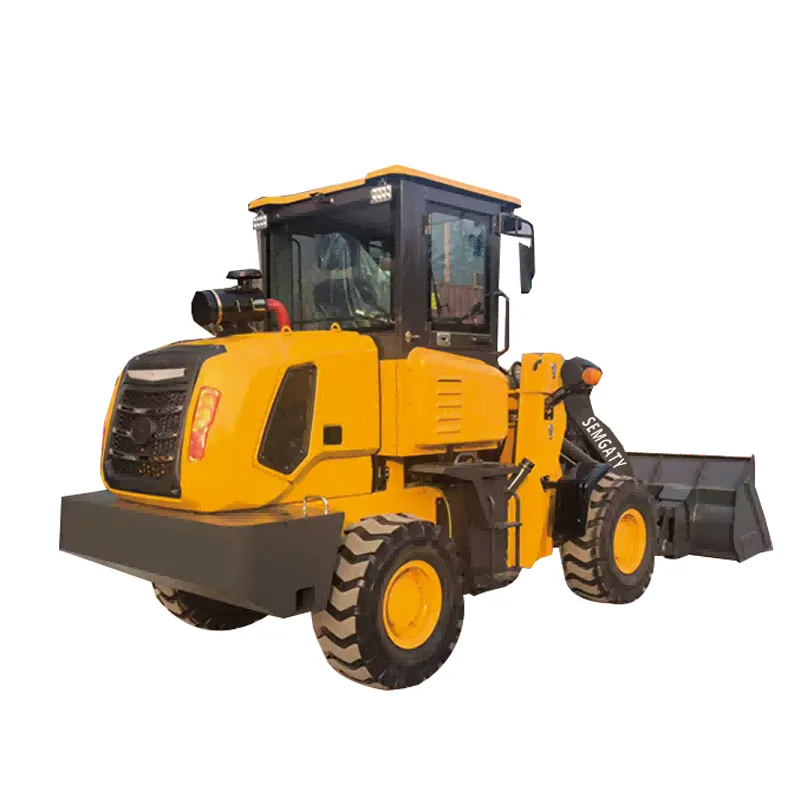
Local anti-wear and anti-impact reinforcement upgrades extend service life of key components. Surface abrasion and local impact damage constitute main failure forms of loading equipment under high-load working conditions. High-hardness ore and sharp construction materials cause continuous scratch and impact damage to bucket surfaces, boom outer walls and frame stress areas. Targeted reinforcement methods include overlay welding of high-hardness wear-resistant layers on vulnerable surfaces, pasting anti-wear steel plates and installing detachable impact protection parts. Local thickening treatment for stress concentration areas avoids partial structural fracture under instantaneous heavy impact. Multi-layer protection structures effectively reduce mechanical loss and maintenance frequency of core components in high-intensity working environments.
Structural parameter optimization and auxiliary reinforcement design improve overall load coordination performance. Single structural reinforcement easily causes unbalanced force bearing of equipment and local overload damage. Professional overall optimization schemes adjust structural stress distribution parameters of key components according to high-load working characteristics. Added auxiliary support structures at connection positions of boom, frame and hydraulic parts disperse concentrated load pressure. Optimized component matching angles reduce resistance and impact force during material shoveling and lifting. Scientific parameter calibration and auxiliary reinforcement designs make full use of structural strength of reinforced equipment and avoid local structural fatigue damage caused by long-term unbalanced load.
Strict post-reinforcement performance testing verifies practical adaptability of reinforcement schemes. Completed structural reinforcement construction requires systematic performance detection to ensure compliance with high-load working standards. Static load bearing tests detect ultimate bearing capacity of frame, boom and bucket structures. Dynamic simulation tests simulate continuous high-frequency loading, traveling and impact working states to check structural stability and deformation resistance. Vibration endurance tests verify structural firmness of welding joints and fixing parts under long-term alternating vibration. Qualified testing data confirm that reinforced loading equipment meets all performance requirements of extreme high-load construction scenarios and achieves longer service life and higher operational safety.
Reasonable structural reinforcement solutions solve multiple pain points of loading equipment in high-load working scenarios, including structural deformation, rapid wear and frequent failures. Upgraded materials, optimized structures and standardized construction processes comprehensively improve mechanical performance and environmental adaptability of loading machinery. Equipment with professional structural reinforcement shows lower failure rate, higher working efficiency and lower long-term operation cost in mining, large-scale earthwork and heavy material handling projects. Targeted structural optimization and reinforcement become cost-effective transformation methods for old and ordinary loading equipment to adapt to high-intensity industrial construction work.