

The Role of Motors in Wheel Loaders: Improving Efficiency and Performance
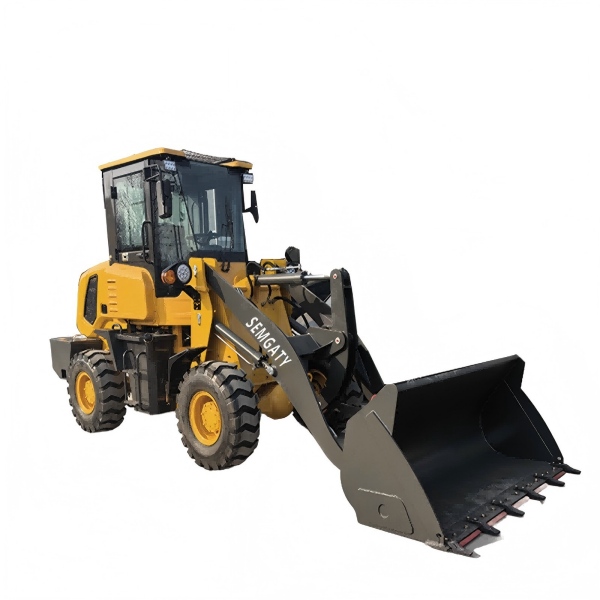
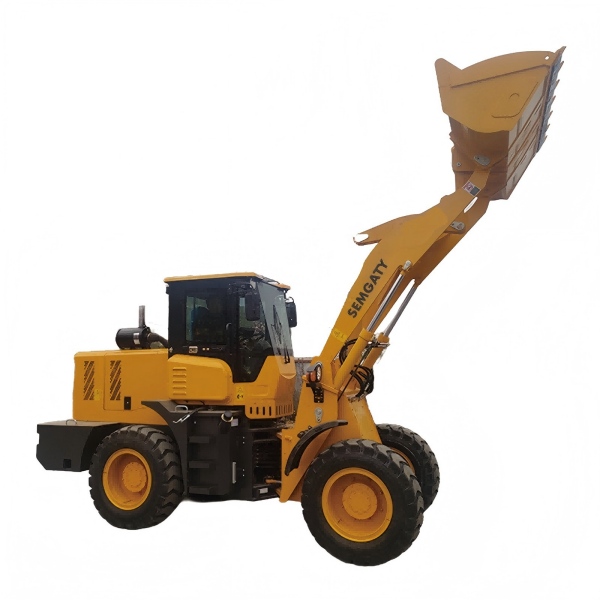
In modern construction, agriculture, and material handling industries, the performance of a mini articulated loader, mini front loader, and mini payloader depends not only on engine quality but also on the efficiency of the motor system.
Motors, especially hydraulic motors, play a crucial role in converting power into motion, ensuring smooth operation and precise control. Understanding the function of motors helps buyers select the right mini articulated loader, mini front loader, and mini payloader for different working conditions.
This article explains how motors work inside a mini articulated loader, mini front loader, and mini payloader, and why motor performance directly impacts productivity and reliability.
What Is a Motor in a Wheel Loader?
A motor in a mini articulated loader, mini front loader, and mini payloader typically refers to a hydraulic motor that converts hydraulic energy into mechanical motion.
Unlike engines that generate power, hydraulic motors distribute power to different components such as wheels, arms, and attachments. A high-quality motor ensures that a mini articulated loader operates smoothly under various loads.
Hydraulic motors are essential for transmitting torque efficiently, making a mini front loader capable of handling demanding tasks such as lifting, digging, and transporting materials.
Driving Function of Motors
One of the primary roles of motors in a mini articulated loader, mini front loader, and mini payloader is to drive the machine.
Hydraulic drive motors control wheel movement, enabling forward, backward, and turning operations. A reliable motor system ensures that a mini articulated loader maintains stable traction on rough terrain.
In construction sites or farms, a mini payloader often operates on uneven surfaces. A strong motor system ensures consistent power delivery and improves mobility.
Lifting and Attachment Control
Motors also play a key role in lifting and attachment operations. A mini front loader relies on hydraulic motors to control the boom and bucket movements.
Precise motor control allows a mini articulated loader to handle delicate tasks such as pallet handling or landscaping. At the same time, a mini payloader benefits from strong lifting force when handling heavy materials.
Efficient motor performance improves working accuracy, reduces material loss, and enhances overall productivity.
Impact on Efficiency and Fuel Consumption
Motor efficiency directly affects fuel consumption. A well-designed hydraulic motor system reduces energy loss, allowing a mini articulated loader, mini front loader, and mini payloader to operate more economically.
Poor motor performance leads to energy waste, overheating, and increased maintenance costs. Therefore, selecting a high-efficiency motor system is essential for long-term operation.
Optimized motors ensure that a mini payloader achieves maximum output with minimum fuel usage, improving return on investment.
Durability and Maintenance Importance
Durability is another critical factor. Motors in a mini articulated loader, mini front loader, and mini payloader must withstand high pressure, heavy loads, and continuous operation.
Regular maintenance such as hydraulic oil replacement, filter cleaning, and system inspection helps extend motor lifespan. A well-maintained motor ensures that a mini articulated loader operates reliably in harsh environments.
Choosing high-quality components reduces downtime and ensures consistent performance for a mini front loader.
Matching Motor with Working Conditions
Different applications require different motor configurations. A mini articulated loader used in agriculture may require smooth and precise control, while a mini payloader in construction demands higher torque output.
For dusty or high-temperature environments, a mini front loader should be equipped with enhanced cooling and filtration systems. Proper motor selection ensures optimal performance under specific working conditions.
Understanding application needs helps buyers select the most suitable mini articulated loader, mini front loader, and mini payloader.
Conclusion
Motors are essential components that determine the performance, efficiency, and reliability of a mini articulated loader, mini front loader, and mini payloader.
From driving and lifting to fuel efficiency and durability, motor systems directly influence machine productivity. Selecting a high-quality motor ensures that a mini articulated loader, mini front loader, and mini payloader deliver consistent performance and long-term value.
For global buyers, understanding motor functions is key to making informed purchasing decisions and maximizing equipment efficiency.