

Understanding Wheel Loader Machine Model Classification for Global Construction Projects
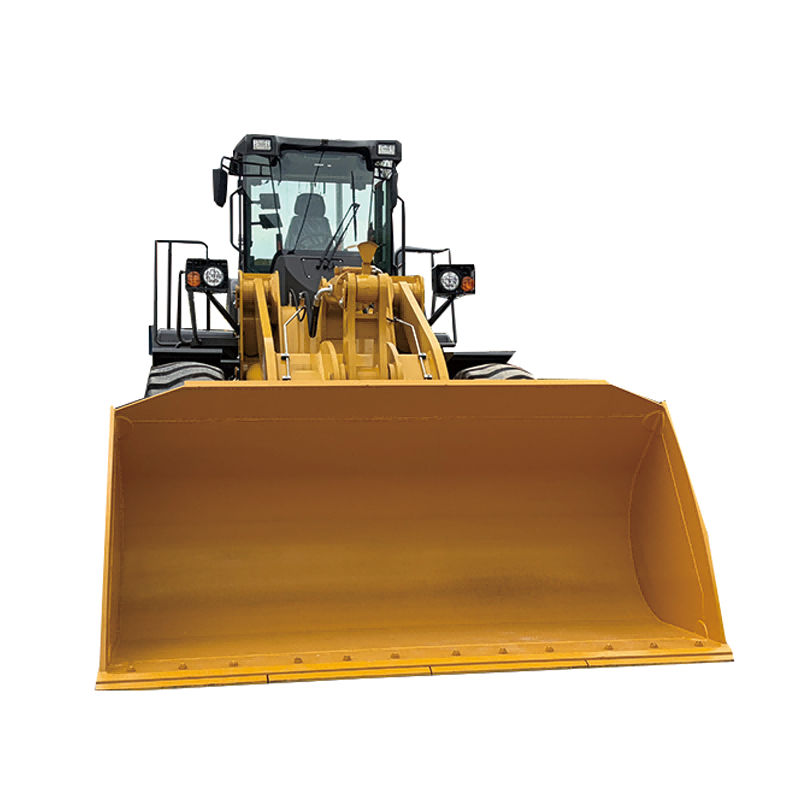
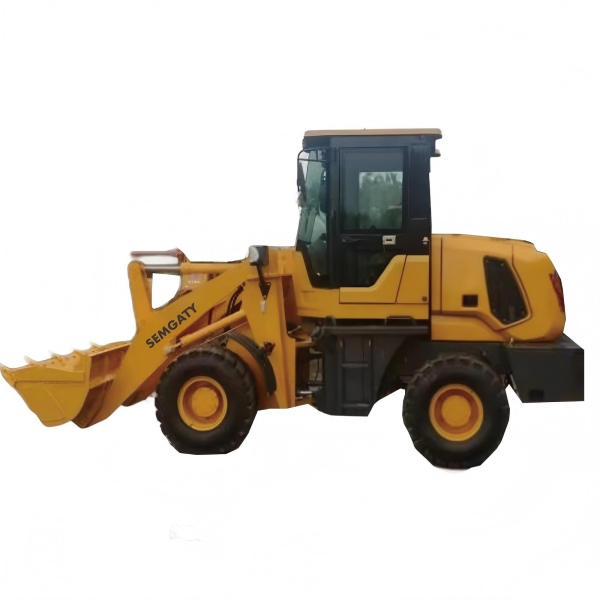
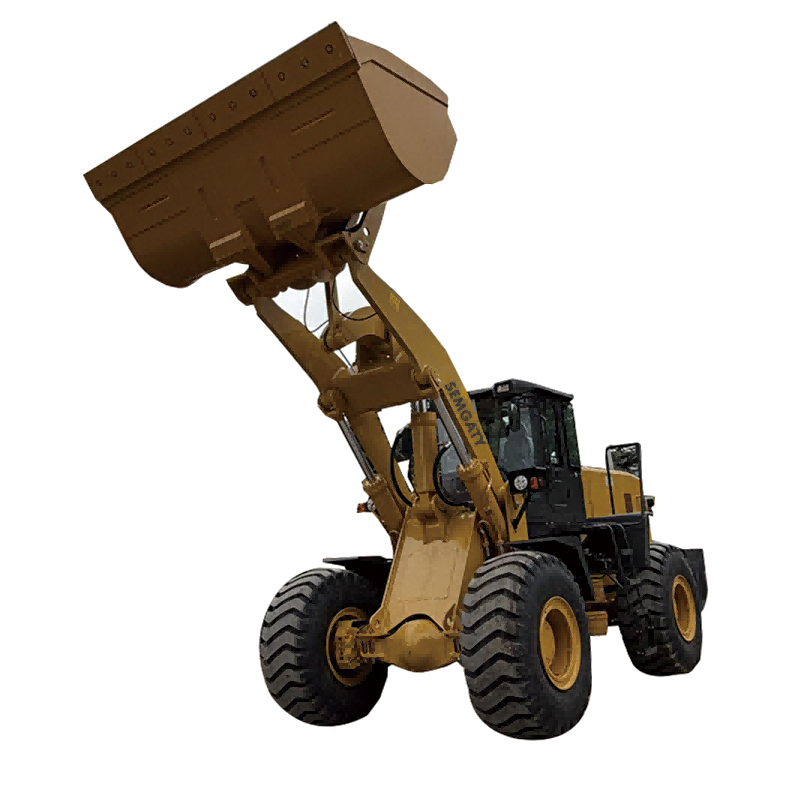
Growing Global Demand for Wheel Loader Machine Equipment
With the continuous expansion of global infrastructure construction, equipment such as wheel loader, articulating loader, and wheel loader machine equipment has become essential for earthmoving, mining, agriculture, and logistics operations. Contractors, mining companies, and municipal engineering projects rely heavily on wheel loader technology to move materials efficiently and reduce labor costs.
As international demand continues to grow, buyers are paying more attention to the classification and model identification of wheel loader machine equipment. Understanding how manufacturers classify wheel loader models helps customers select the most suitable articulating loader equipment for different job sites.
Basic Structure of Wheel Loader Machine Model Numbers
The model numbering system of wheel loader machine equipment usually contains several groups of symbols and numbers. Each symbol in the model number helps identify important specifications related to wheel loader design, capacity, and manufacturer classification.
Many manufacturers use a combination of letters and numbers to identify wheel loader machine models. The first group of letters normally indicates the equipment type. For example, some manufacturers use letters representing wheel loader equipment categories to distinguish loader machinery from other construction equipment.
The second group of numbers in a wheel loader machine model is usually related to load capacity or machine tonnage. In many cases, the middle number of a three-digit code represents the approximate tonnage of the articulating loader equipment.
Such classification systems make it easier for buyers to quickly identify the size and capacity of a wheel loader machine when comparing different models.
Understanding Tonnage Classification of Wheel Loader Equipment
Tonnage is one of the most important indicators when classifying wheel loader equipment. Different tonnage levels determine the working capacity and application scenarios of wheel loader machine equipment.
For example, when a wheel loader machine model contains two digits such as “15” or “20,” the numbers often indicate the machine’s load capacity. A “15” model generally represents a 1.5-ton wheel loader, while a “20” model usually refers to a 2-ton articulating loader machine.
This tonnage-based classification allows contractors to select appropriate wheel loader machine equipment for specific job requirements. Smaller wheel loader machines are often used for light-duty material handling, while larger articulating loader equipment handles heavy construction tasks.
Understanding tonnage categories helps buyers match wheel loader equipment with real working conditions such as warehouse loading, agricultural transportation, or construction site material handling.
Wheel Loader Machine Classification by Engine Power
Another important classification standard for wheel loader machine equipment is engine power. Engine power directly affects the working efficiency and productivity of wheel loader machinery.
Small wheel loader machines typically use engines with power ratings below 74 kW. Such compact articulating loader equipment is suitable for small construction projects, farms, and warehouses where maneuverability is essential.
Medium wheel loader machine equipment generally uses engines with power ratings between 74 kW and 147 kW. Many construction contractors prefer medium wheel loader machines because medium articulating loader equipment can handle most common earthmoving tasks.
Large wheel loader machine equipment typically uses engines between 147 kW and 515 kW. Large wheel loader machines are widely used in mining, large infrastructure construction, and heavy industrial projects.
Ultra-large articulating loader equipment with engine power exceeding 515 kW is usually designed for extremely demanding operations such as large-scale mining projects.
Transmission Types Used in Wheel Loader Equipment
Transmission technology also plays an important role in the classification of wheel loader machine equipment. Different transmission systems influence operational performance, efficiency, and maintenance costs of wheel loader machines.
Many medium and large wheel loader machine models adopt hydrodynamic-mechanical transmission systems. Hydrodynamic-mechanical transmission technology allows wheel loader equipment to deliver strong power output while maintaining smooth operation.
Small wheel loader equipment often uses hydrodynamic transmission systems. Hydrodynamic transmission systems reduce manufacturing costs and simplify the mechanical structure of compact articulating loader machines.
Some large wheel loader machine equipment used in mining operations may adopt electric transmission systems. Electric transmission technology improves energy efficiency and provides powerful torque for heavy-duty wheel loader operations.
Such technological variations help manufacturers design articulating loader equipment for different industries and working environments.
Structural Differences in Wheel Loader Machine Design
Another important classification method for wheel loader machine equipment relates to the machine’s structural design. The most common structure used in modern wheel loader equipment is the articulated steering system.
An articulating loader machine uses a central hinge structure that allows the front and rear frames to pivot during steering. Such design significantly improves maneuverability and stability of wheel loader equipment.
Because of the articulated frame design, wheel loader machine equipment can operate efficiently in narrow construction sites, warehouses, and industrial facilities.
Most modern wheel loader equipment uses rubber tires for mobility. Tire-based articulating loader machines provide high travel speed and strong mobility on paved surfaces.
Some heavy-duty environments may require alternative structural solutions, but tire-based wheel loader machine equipment remains the most widely used design in construction and logistics industries.
Choosing the Right Wheel Loader Machine for Different Applications
Understanding the classification standards of wheel loader machine equipment helps buyers select the most suitable wheel loader solution for specific tasks.
Construction contractors often choose medium or large wheel loader machines for road construction, infrastructure development, and urban engineering projects. Agricultural businesses may prefer compact articulating loader equipment for farm material handling and feed transportation.
Mining companies usually require heavy-duty wheel loader machine equipment capable of handling large volumes of ore and rock materials. Strong lifting capacity and durable components make large wheel loader equipment ideal for mining operations.
Proper equipment selection ensures that articulating loader machinery delivers maximum efficiency while minimizing operational costs.
Future Development of Wheel Loader Machine Technology
The global construction machinery industry continues to evolve as new technologies improve equipment performance. Manufacturers are investing heavily in advanced wheel loader machine research and development.
Modern wheel loader machines increasingly adopt intelligent control systems, energy-efficient engines, and digital monitoring technology. Smart features help operators monitor performance, fuel consumption, and machine status during daily operations.
As infrastructure investment continues to expand worldwide, demand for reliable articulating loader and wheel loader machine equipment will remain strong in global markets.
Understanding the classification and technical specifications of wheel loader machinery helps construction companies and equipment buyers make informed purchasing decisions and achieve higher productivity in future engineering projects.