Usage Differences of Compact Loaders on Flat, Sloped and Pitted Terrains
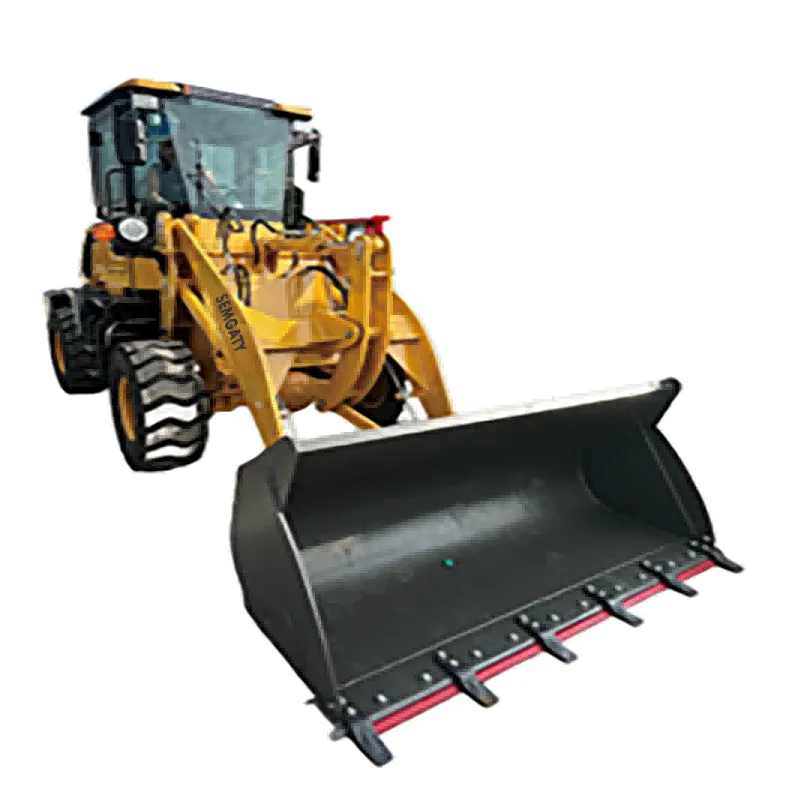
Compact construction loaders serve as core auxiliary equipment for municipal engineering, farmland renovation, road maintenance and rural infrastructure construction. Different terrain conditions impose distinct operational requirements on small loader devices and bring varied usage effects and equipment adaptation standards.
articulating wheel loader and
compact front end loader occupy mainstream application markets for complex and conventional terrain operations. Mastery of terrain-based usage differences helps construction teams select matched machinery models, improve operating efficiency and reduce equipment wear in diverse construction scenarios.
Flat terrains represent the most conventional and friendly working environment for small construction loaders. Stable and smooth ground surfaces eliminate obstacles affecting equipment travel and operation posture. Most compact loader models maintain consistent operating speed, stable load bearing capacity and uniform working efficiency on flat ground. Construction personnel can conduct continuous material shoveling, stacking and short-distance transportation operations with simple operational adjustments. Low equipment loss and high working continuity create high cost performance for large-area flat ground construction projects.
Operational standards and equipment performance requirements witness obvious changes on sloped terrains. Inclined ground structures raise higher demands on equipment stability, traction performance and steering flexibility. Mechanical devices working on slope environments need reliable anti-slip capacity and balanced weight distribution to avoid operational risks. Professional terrain-adaptive loaders support adjustable operating angles and stable power output to complete earthwork arrangement and material handling tasks on gradient construction surfaces.
Pitted and uneven terrains bring the most stringent test for comprehensive performance of construction loaders. Sunken ground, scattered pits and rugged road surfaces interfere with equipment travel tracks and operating balance. Ordinary loader models face increased vibration, unbalanced load bearing and accelerated component wear on such terrains. High-adaptability loader devices adopt reinforced chassis structures and flexible shock absorption systems to adapt to irregular ground changes and guarantee stable construction progress.
compact front loader delivers optimal working performance on flat terrains for daily standardized construction work. Simplified structural design and stable load capacity of such equipment fully meet conventional shoveling and transportation demands on smooth ground. Mechanical components maintain low wear rates under stable working conditions, effectively extending overall service life of equipment. Simple operation modes and stable power output make the device highly suitable for long-duration flat ground construction operations.
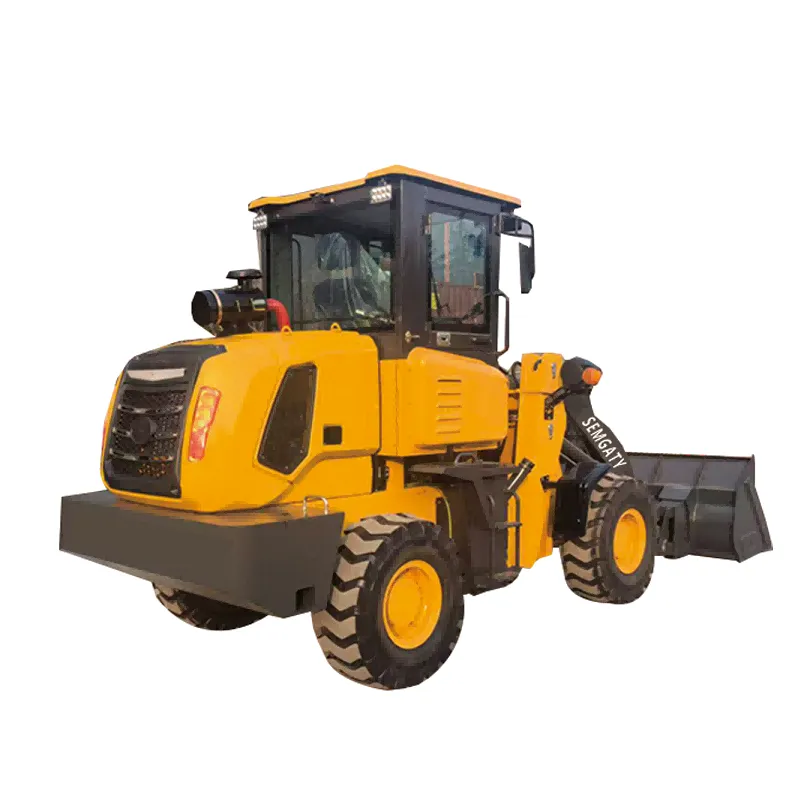
Sloped terrain construction relies heavily on flexible steering and stable traction performance of professional loaders.
articulating wheel loader adopts unique articulated steering structures to achieve flexible direction adjustment on inclined ground. Optimized tire friction design and enhanced power traction systems prevent side slip and posture tilt during slope operation. Such structural advantages ensure safe and efficient construction during earth leveling, slope trimming and vegetation backfilling on gradient terrains.
Flat terrain operation features simple parameter setting and low operational difficulty for all compact loader types. Construction staff only need to adjust basic lifting height and shoveling depth to complete standardized operation flows. Continuous high-intensity work brings no obvious pressure on equipment power systems and chassis structures. Uniform ground stress distribution avoids local component overload and reduces daily maintenance frequency for construction machinery.
Sloped terrain construction requires standardized operational specifications and professional equipment adaptation. Construction teams need to control travel speed and working posture strictly to maintain equipment balance. Reasonable matching of power output and operating angles prevents power loss and operational instability. Professional structural configuration of adaptive loaders effectively offsets adverse impacts brought by inclined ground environments on construction safety and working efficiency.
Pitted terrain construction tests the chassis passing performance and shock resistance of compact loaders. Uneven ground surfaces produce continuous vibration and impact force on equipment chassis, tires and connection components. Reinforced mechanical structures and flexible suspension systems help qualified loaders adapt to irregular ground fluctuations. Reasonable route planning and low-speed stable operation modes reduce equipment loss during pitted terrain construction processes.
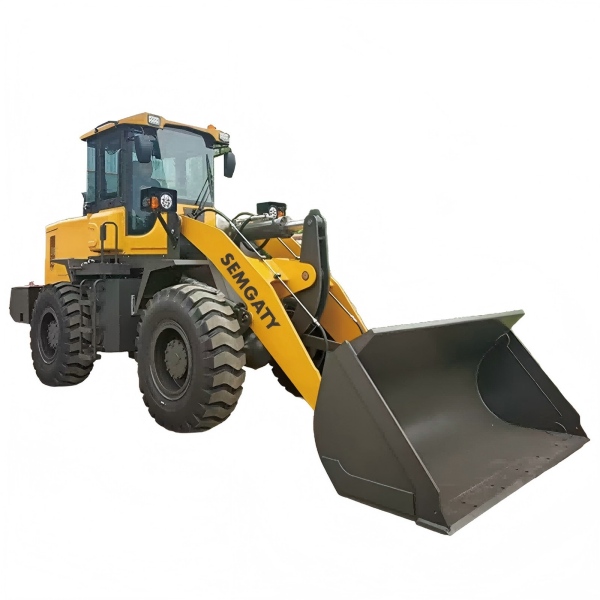
compact front end loader shows outstanding practicability in mixed terrains combining flat ground and shallow pits. Balanced body structure and flexible bucket control systems adapt to frequent ground condition changes in scattered construction areas. Equipment maintains stable working precision during intermittent material handling and ground leveling operations. Moderate terrain adaptation capacity enables the device to cope with most comprehensive conventional construction scenarios.
Differentiated maintenance strategies match diverse terrain working conditions for compact loaders. Equipment operating on flat terrains only needs routine inspection of wearing parts and power systems. Devices working on sloped terrains require regular calibration of balance systems and steering components. Loaders serving pitted terrains need enhanced chassis detection and shock absorption component maintenance to eliminate potential mechanical faults.
Reasonable model selection based on terrain features greatly improves overall construction benefits.
compact front loader serves as priority option for large-area flat ground projects with high working efficiency and low operation costs.
articulating wheel loader acts as professional equipment for slope and complex gradient construction with reliable stability and flexible adaptability.
compact front end loader provides balanced performance for mixed terrains and scattered small-scale construction tasks.
Scientific integration of equipment performance and terrain characteristics realizes maximum construction value. Construction enterprises can reduce mechanical failure rates, cut maintenance costs and shorten project cycles through accurate model matching and standardized terrain operation. Clear understanding of terrain usage differences for compact loaders supports reasonable equipment scheduling and efficient resource allocation in diversified engineering construction projects.