Vulnerable Parts Replacement Cycle Standards for Industrial Loaders
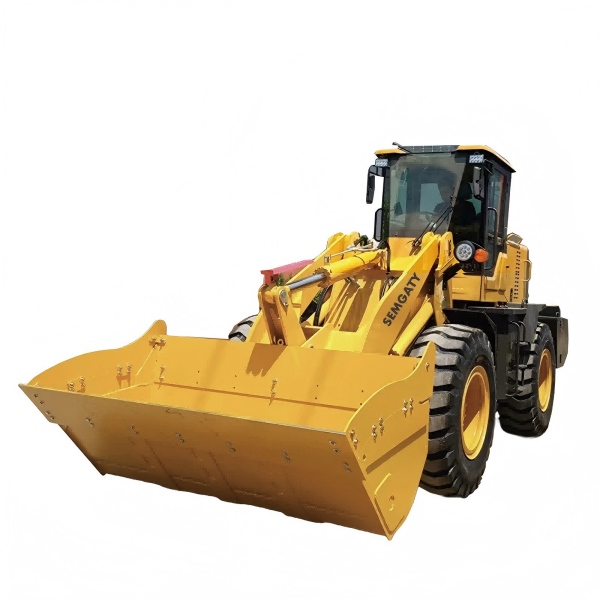
Industrial construction environments including mining sites, earthwork yards and gravel plants bring continuous friction, impact and load pressure to loading machinery. Various wearable components undertake core abrasion work during equipment operation. Long-term service without standardized replacement leads to performance degradation, mechanical vibration and sudden operational faults. Clear replacement cycle standards for vulnerable parts stabilize working performance and reduce failure probability.
Loader following unified part replacement rules maintains stable operating state in long-cycle industrial construction. Scientific parts management modes greatly extend comprehensive service life of professional industrial
Loader.
Bucket wear accessories represent the most frequently consumed vulnerable parts for loading equipment. Core accessories in this category include bucket teeth, edge blades and side protective plates. Hard contact with ore, stone and hard soil causes continuous abrasion and structural wear. Serious thinning or tooth breakage reduces shoveling efficiency and increases construction resistance. Unified replacement standards define effective service cycles for different working scenarios. Light earthwork environments require replacement every 800 to 1000 working hours. Heavy mining and stone handling scenes demand replacement every 400 to 600 working hours. Strict replacement cycles protect shoveling capacity and structural integrity of commercial wheel loader machine. Timely renewal of bucket accessories avoids working efficiency attenuation of standard wheel loader machine in long-term operation.
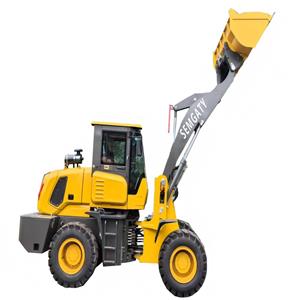
Hinge pin and bushing components bear frequent friction during equipment movement and loading actions. These connecting parts control flexible rotation and lifting coordination of loader working arms and buckets. Continuous high-load friction creates gap expansion and loose assembly precision. Excessive gaps trigger whole-body vibration, unbalanced stress and abnormal operational noise. Regular inspection records accumulate working hour data to judge replacement timing. General working environments support 600 to 800 hours of effective use. High-intensity impact scenarios shorten available service time to 300 to 500 hours. Standard replacement cycles guarantee assembly accuracy and smooth mechanical movement of heavy-duty
big wheel loader. Regular renewal of pin and bushing parts maintains overall structural coordination of large-scale
big wheel loader.
Hydraulic sealing components serve as key vulnerable parts affecting internal system stability. Common sealing accessories contain oil seals, O-rings and hydraulic cylinder gaskets. Long-term high-pressure operation and temperature changes cause aging, hardening and elastic attenuation of rubber materials. Aging sealing structures trigger hydraulic oil seepage, pipeline leakage and pressure loss. Standard replacement cycles for hydraulic sealing parts range from 900 to 1200 working hours. High-temperature and dusty construction sites require advance replacement to prevent sudden leakage faults. Timely renewal of sealing components stabilizes hydraulic pressure output and avoids power loss during equipment operation.
Filter element accessories ensure internal cleaning of engine and hydraulic systems. Core filter types cover air filters, fuel filters and hydraulic oil filters. Mass dust, impurity particles and oil dirt accumulate on filter surfaces during operation. Blocked filter elements reduce air intake volume, hinder fuel circulation and degrade oil purification effect. Poor filtering performance causes engine carbon deposition and hydraulic pipeline blockage. Air filters need replacement every 200 to 300 working hours in dusty sites. Fuel and hydraulic filters follow replacement cycles of 500 to 600 working hours. Strict filter maintenance rules keep internal mechanical systems clean and smooth.
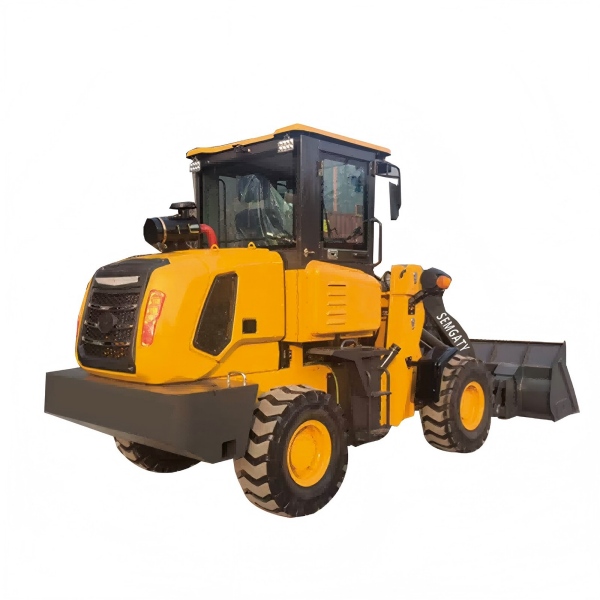
Tire and walking system accessories affect traveling safety and load-bearing stability. Tire rubber layers, tread patterns and wheel bearings suffer continuous ground friction and impact extrusion. Tread wear, rubber aging and bearing abrasion reduce traveling stability and load-bearing capacity. Severe tire wear increases slipping probability and raises construction risks. Ordinary road working conditions support tire use for 1500 to 2000 working hours. Gravel and rugged terrains require inspection and replacement within 1000 working hours. Wheel bearings need regular detection and replacement every 1200 working hours to maintain stable walking performance.
Brake system vulnerable parts guarantee operational safety of loading machinery. Brake pads, brake discs and brake oil pipes bear friction and pressure during frequent braking actions. Gradual thinning of brake pads and aging of oil pipes reduce braking sensitivity and response speed. Delayed braking reactions bring major safety hazards to site construction. Standard cycles specify brake pad replacement every 800 working hours. Brake oil pipes need inspection and renewal every 1000 working hours. Regular replacement of brake accessories maintains sensitive braking performance and eliminates potential safety risks.
Lubricating grease and auxiliary wearing parts reduce chassis friction loss. Chassis lubrication points consume grease continuously during mechanical operation. Insufficient grease supply causes dry friction and rapid abrasion of moving parts. Regular grease supplementation needs completion every 50 to 100 working hours. Auxiliary parts including buffer rubber blocks and damping gaskets require replacement every 600 working hours after elastic fatigue. Standard lubrication and accessory replacement reduce chassis wear and maintain flexible mechanical operation.
Strict implementation of replacement standards reduces long-term operational costs. Delayed replacement of vulnerable parts leads to linkage damage of core mechanical structures. Minor accessory wear evolves into frame deformation, hydraulic failure and engine power attenuation. Timely replacement of low-cost vulnerable accessories avoids high-cost core component overhaul and equipment shutdown loss. Unified cycle standards unify daily maintenance work and simplify equipment management procedures for construction fleets.
Working condition differentiation optimizes accuracy of vulnerable part replacement cycles. Fixed hour standards serve as basic reference while actual working intensity needs comprehensive consideration. High-load, high-dust and high-corrosion environments accelerate part aging and wear speed. Proper advance of replacement time adapts to harsh working demands. Light-load and regular environments can follow standard cycles appropriately. Differentiated maintenance modes balance use value and replacement cost of all vulnerable accessories.
Regular part inspection records support accurate cycle judgment. Stable maintenance files record daily working hours, wear status and replacement time of each vulnerable part. Accumulated data provide reliable basis for later maintenance arrangement. Systematic inspection and recording avoid blind replacement or delayed maintenance. Refined management modes maximize service life of each accessory and reduce unnecessary maintenance investment.
Standardized vulnerable part replacement management creates long-term stable benefits for industrial construction. Scientific cycle formulation and strict execution reduce equipment failure rate and shutdown frequency. Stable equipment operation improves construction efficiency and lowers overall operational costs. Compliance with unified replacement standards maintains good mechanical performance and extends whole service life of loading machinery for various industrial projects.