

What to Do When Bulldozers Break Down
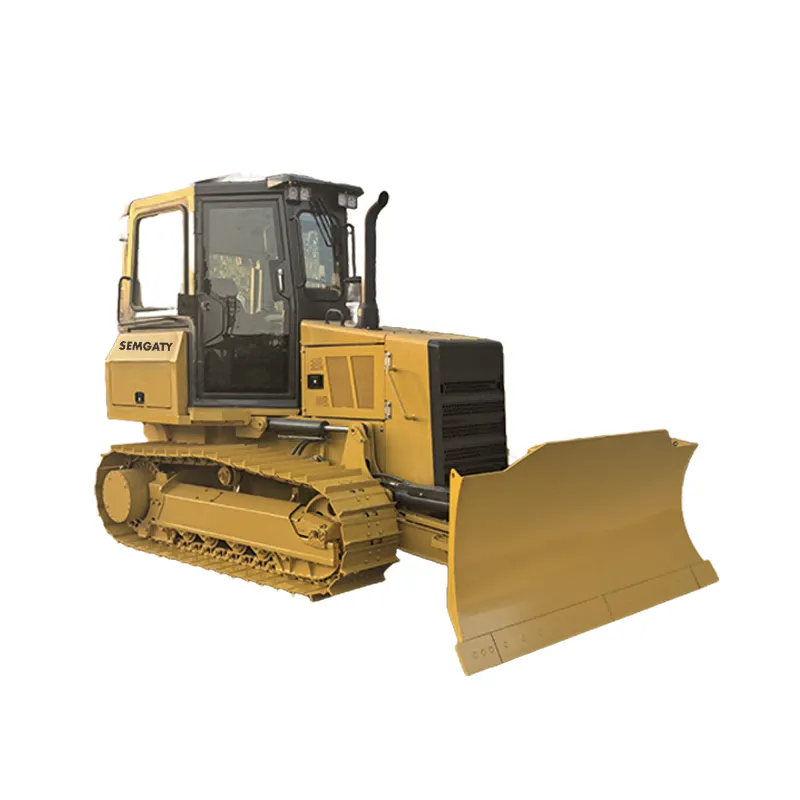
Bulldozers are core equipment in construction, agriculture, and mining industries, and sudden breakdowns can disrupt work progress, increase costs, and even pose safety risks. Different types of bulldozers, including crawler dozers, bulldozer machine, and compact dozers, may encounter different faults due to structural differences and working environments. Mastering correct handling methods when faults occur helps minimize losses, quickly restore operation, and avoid secondary damage to equipment. Proper fault handling follows a systematic process: stop operation, identify faults, take emergency measures, and conduct maintenance.
The first step when a bulldozer breaks down is to stop operation immediately and ensure on-site safety. Turn off the engine to cut off power supply, preventing further damage to components. Place warning signs around the machine to alert other workers and vehicles, avoiding collisions or accidents. For crawler dozers working on slopes or uneven terrain, use parking brakes and place wedges under tracks to prevent machine sliding, which could cause more serious damage or safety hazards. Ensure personal safety first before conducting any fault inspection.
After ensuring safety, conduct preliminary fault identification to determine the fault type and approximate cause. Observe the machine for obvious abnormalities: check for fluid leaks (hydraulic oil, engine oil, coolant), abnormal noises (grinding, knocking, squealing), and abnormal movements (failure to start, unresponsive controls, uneven movement). Listen to engine sounds and check instrument panels for warning lights or abnormal readings. Preliminary identification helps narrow down fault and avoid blind disassembly, which could damage components.
For engine-related faults, the most common issues include difficulty starting, power loss, and overheating. If the engine fails to start, check battery charge level, fuel supply, and spark plugs. Ensure fuel tanks have sufficient clean fuel and fuel filters are not clogged. If the engine overheats, stop operation immediately, turn off the engine, and wait for it to cool down before checking coolant levels and radiator cleanliness. Clean radiators blocked by dust or debris to restore heat dissipation function.
Hydraulic system faults are frequent in bulldozer machine, mainly manifested as slow movement, unresponsive controls, and fluid leakage. If hydraulic components fail, check hydraulic fluid levels first; add fluid if insufficient. Inspect hydraulic hoses and seals for leaks or damage; replace worn seals or damaged hoses promptly. If the hydraulic system is unresponsive, check for clogged filters or faulty valves, which may require disassembly and cleaning by professional technicians.
Track system faults are unique to crawler dozers, including track derailment, excessive wear, and loose pins. If tracks derail, stop the engine immediately and avoid forced operation, which could bend track links or damage rollers. Use a jack to lift the machine slightly, then manually adjust tracks back to the correct position, ensuring track tension is appropriate. Check for worn track links, pins, or rollers; replace severely worn components to prevent re-derailment.
Compact dozers often encounter steering and undercarriage faults due to their small size and frequent use in narrow spaces. If steering is unresponsive or stiff, check steering hydraulic lines for leaks and steering linkages for loose connections. Lubricate steering components if necessary. For undercarriage faults such as worn rubber tracks or loose wheels, inspect track condition and tighten loose parts; replace damaged rubber tracks to ensure stable movement.
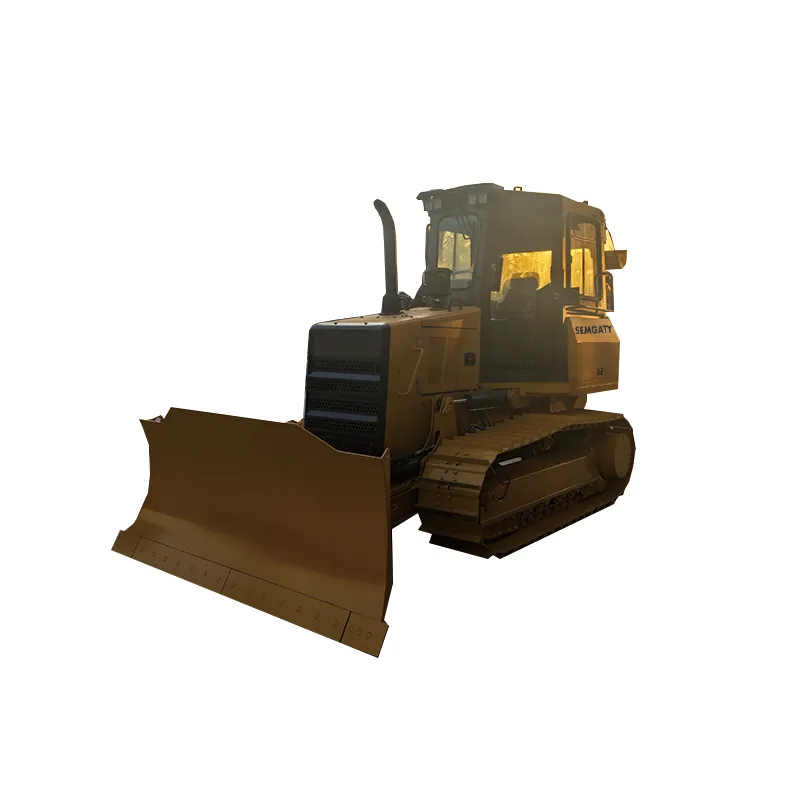
Electrical system faults usually manifest as failure to start, non-functional lights, or abnormal instrument readings. Check battery terminals for corrosion or loose connections; clean terminals and tighten them if needed. Inspect wiring harnesses for damage, fraying, or short circuits; repair or replace damaged wires. Check fuses and relays; replace blown fuses to restore electrical function. Electrical faults require careful inspection to avoid short circuits that could damage other components.
When facing complex faults that cannot be identified or resolved on-site, contact professional maintenance personnel promptly. Provide detailed information about the fault: machine type, fault performance, working environment, and recent maintenance records. Do not attempt to disassemble complex components (such as engines, hydraulic pumps, or transmissions) without professional skills, as this may cause irreversible damage and increase repair costs.
During maintenance, use genuine replacement parts to ensure compatibility and reliability. For example, replace hydraulic seals, track pins, or engine filters with parts that match the bulldozer model. Improper or inferior parts may lead to repeated faults and shorten equipment service life. Follow maintenance procedures and torque requirements when assembling components to avoid loose connections or component damage.
After repairing the fault, conduct a test run to ensure the machine operates normally. Start the engine, check for abnormal noises or leaks, and test all functions (blade movement, track operation, steering, brakes). Run the machine at low speed for a period to observe performance; confirm no abnormalities before resuming formal operation. Record the fault type, repair process, and replacement parts for future reference, helping to prevent similar faults.
Preventive measures are equally important to reduce the occurrence of faults. Regularly inspect and maintain bulldozers according to maintenance manuals, focusing on key components such as engines, hydraulic systems, and tracks. Replace worn parts in a timely manner, keep the machine clean, and avoid overloading or improper operation. For crawler dozers working in harsh environments, increase inspection frequency to detect potential faults early.
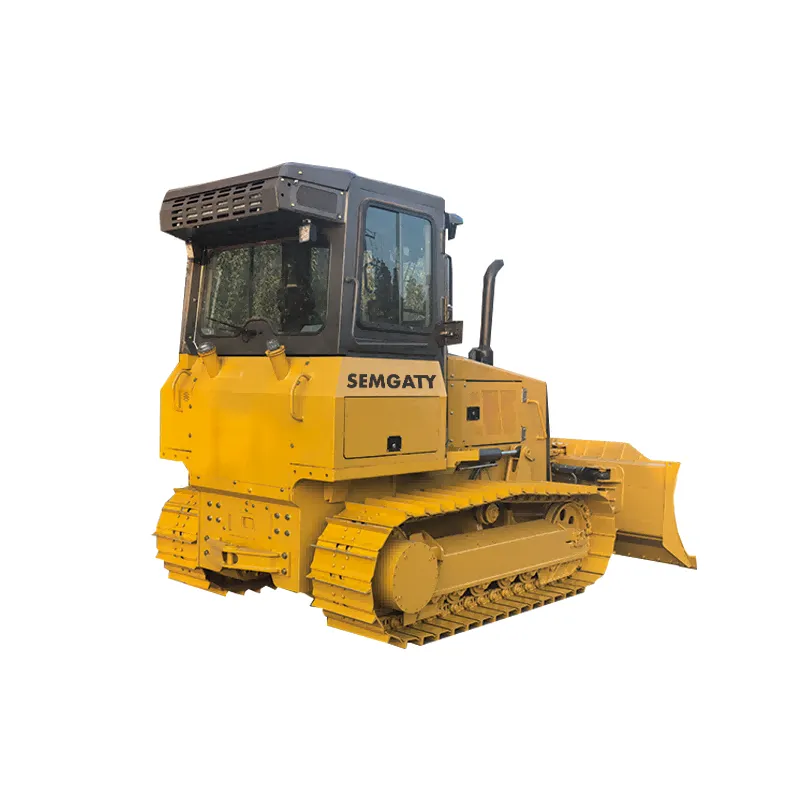
For bulldozer machine used in general construction scenarios, establish a regular maintenance schedule, including oil changes, filter replacements, and lubrication of moving parts. Train operators to master correct operation methods, avoid sudden starts and stops, and reduce component wear. Proper operation and regular maintenance can significantly reduce fault occurrence and extend machine service life.
In summary, handling bulldozer faults requires a calm and systematic approach: ensure safety first, conduct preliminary identification, resolve simple faults on-site, and seek professional help for complex issues. crawler dozers, bulldozer machine, and compact dozers have different fault characteristics, so targeted handling methods are needed. By mastering correct fault handling skills and strengthening preventive maintenance, operators can minimize losses caused by breakdowns and ensure stable operation of bulldozers.