Wheel Loader Application Solutions for Snow Clearing and Road Maintenance
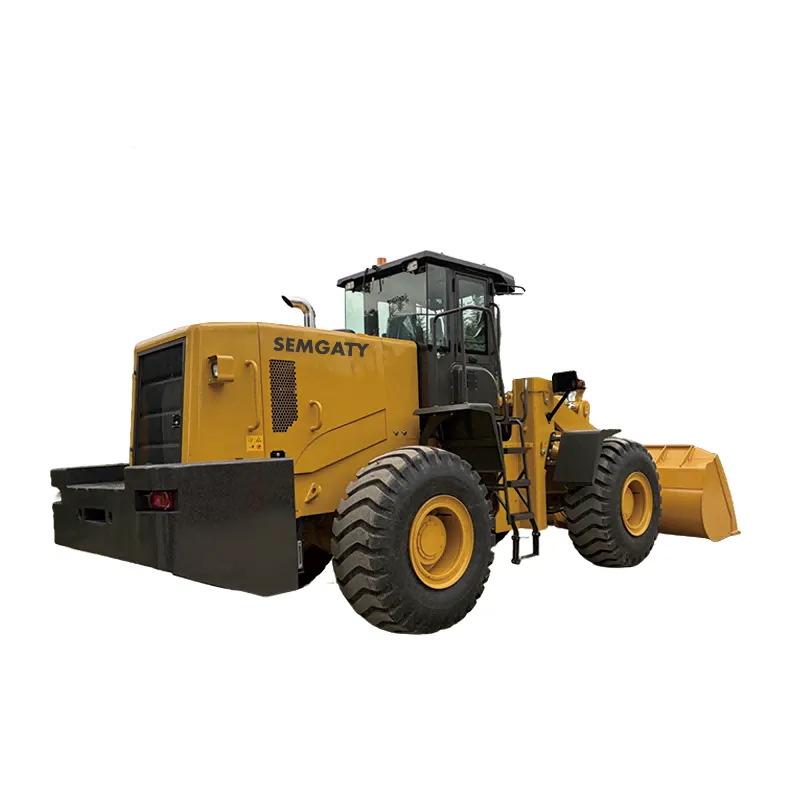
Winter snow accumulation and icy road surfaces severely hinder urban traffic operation, rural road passage and engineering site accessibility. Timely snow removal and road maintenance eliminate traffic barriers, reduce road icing risks and restore smooth passage for vehicles and pedestrians. Traditional manual snow cleaning methods consume massive labor resources and fail to meet large-scale rapid road clearing demands. Mechanical snow removal with professional loading equipment improves operation speed, construction coverage and long-term road maintenance quality.
Loader equipped with dedicated snow removal attachments delivers efficient large-area snow shoveling and road trimming performance in winter road maintenance projects. Professional configuration and operation modes maximize winter service application value of engineering
Loader in municipal and highway maintenance scenarios.
Specialized equipment configuration adaptation forms the core foundation of efficient snow cleaning and road maintenance. Standard factory configurations lack targeted structural designs for snow pushing, snow sweeping and ice breaking operations. Professional snow push plates, rotary snow sweepers and ice breaking accessories upgrade mechanical functions to adapt to diverse winter road conditions. Adjustable angle structures of snow removal attachments fit different road widths and snow accumulation thicknesses for flexible operation. Reinforced wear-resistant blades resist friction from road surfaces and hard compacted snow to extend accessory service life. Complete winter configuration schemes greatly improve road maintenance efficiency and environmental adaptability of standard wheel loader machine in heavy snow weather. Dedicated winter accessory assemblies expand seasonal application scenarios and practical value of commercial wheel loader machine for full-year road maintenance work.
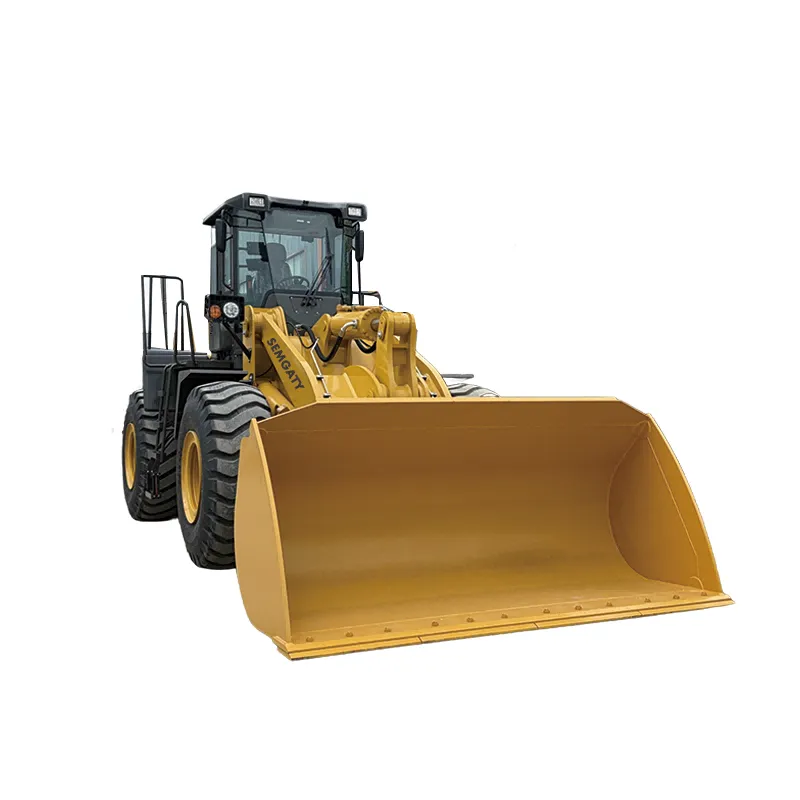
Scientific field operation strategies optimize snow removal quality and road protection effects. Layered snow pushing modes handle thick accumulated snow to avoid excessive load impact on mechanical structures and road pavements. Segmented construction zoning divides long road sections into independent operation units for comprehensive dead-angle-free cleaning. Low-speed steady traveling maintains uniform contact between snow removal attachments and road surfaces to ensure thorough snow clearance. Reasonable operation spacing avoids repeated construction or missing cleaning areas on urban roads and highway surfaces. Standardized winter working procedures enhance large-scale snow cleaning efficiency and road surface protection capacity of heavy-duty
big wheel loader in severe winter weather. Optimized field operation norms guarantee precise road maintenance results and stable working performance of large-scale
big wheel loader in continuous snow removal tasks.
Icy road targeted treatment solves hidden dangers of slippery road passage. Compacted snow and thin ice layers form smooth and hazardous road surfaces after long-term vehicle rolling. Matching ice breaking accessories with moderate impact force crush hard ice layers without damaging road asphalt and concrete pavements. Secondary snow sweeping operations remove crushed ice residues and scattered snow particles to restore road surface friction. Edge trimming processing cleans snow and ice accumulated on road edges, guardrail bottoms and drainage openings to prevent secondary freezing. Targeted ice and snow treatment methods eliminate traffic safety hazards and restore standard road passage conditions effectively.
Adaptive operation adjustment suits diverse road grades and pavement types. Urban municipal roads, rural country roads and highway pavements carry different structural bearing capacities and surface hardness. Low-intensity contact operation protects thin asphalt pavements from scratching and structural damage during snow removal work. Enhanced pushing power adapts to thick snow accumulation on wide highway sections and open road surfaces. Gradient speed adjustment matches uphill, downhill and flat road conditions to maintain stable mechanical posture and operation safety. Flexible working adaptation ensures balanced coordination between snow cleaning efficiency and road pavement protection across all road types.
Winter equipment pre-operation inspection guarantees continuous maintenance construction stability. Low-temperature winter environments easily cause oil fluidity decline, sealing part hardening and hydraulic system sensitivity reduction. Comprehensive pre-work detection covers engine operating state, hydraulic pressure stability and attachment assembly firmness. Full lubrication treatment of movable joints and connecting pin shafts prevents mechanical jamming under low-temperature conditions. Cleaning and debugging of electrical systems ensure normal operation of lighting and auxiliary monitoring devices in low-visibility snowy weather. Complete pre-operation preparation eliminates sudden equipment shutdown risks during urgent road maintenance tasks.
Efficient multi-equipment collaborative modes accelerate large-area road snow clearance. Reasonable fleet scheduling arranges multiple loading machinery to form orderly operation sequences for wide road sections. Front equipment completes primary snow pushing and concentrated snow stacking while rear equipment carries out fine sweeping and residual cleaning. Unified operation routes and construction standards avoid cross interference and repeated working among mechanical teams. Collaborative working mechanisms shorten overall project duration and realize rapid restoration of full-range road passage capacity. Systematic fleet coordination improves large-scale winter road maintenance efficiency in urban and suburban areas.
Road protection specifications avoid pavement damage during snow removal construction. Violent impact and excessive pressure cause pavement scratches, crack expansion and surface layer peeling on fragile road structures. Standard low-pressure attachment contact limits downward pressure of snow removal tools to protect road surface integrity. Avoidance of sharp accessory edges directly scraping pavements reduces artificial road damage during cleaning processes. Residual snow accumulation preservation on special road sections protects expansion joints and fragile pavement structures. Strict road protection norms balance efficient snow removal and long-term road maintenance quality.
Post-construction road finishing improves overall maintenance standardization. Manual and mechanical cooperative trimming cleans residual snow strips and local ice patches left after large-area mechanical operation. Uniform arrangement of accumulated snow piles along road sides ensures neat road appearance and unobstructed pedestrian passages. Inspection of road drainage facilities guarantees smooth water discharge after snow melting to prevent secondary water accumulation and freezing. Complete post-operation finishing work upgrades overall road tidiness and passage safety after snow removal construction.
Low-temperature equipment maintenance delays component aging in winter working environments. Timely replacement of low-temperature resistant hydraulic oil and engine oil maintains fluidity and lubrication performance under cold weather conditions. Post-work cleaning of snow and ice residues on attachment surfaces prevents freezing adhesion and structural deformation. Comprehensive sealing inspection avoids low-temperature hardening cracking and internal system oil leakage. Sufficient engine warm-up before each construction ensures stable power output and flexible mechanical operation. Specialized winter maintenance schemes sustain long-term working stability of loading machinery in seasonal road maintenance services.
Emergency snow removal schemes respond to sudden heavy snow weather disasters. Pre-set emergency construction plans define rapid equipment deployment routes and key road priority maintenance sequences. Core traffic roads, community access roads and industrial transport passages obtain priority cleaning to guarantee basic traffic operation. Flexible adjustment of working duration and operation teams copes with continuous snowfall and repeated road snow accumulation. Rapid emergency response mechanisms minimize traffic paralysis losses and restore road passage capacity in shortest time frames.
Seasonal comprehensive management improves long-term winter road maintenance value. Integration of professional accessory configuration, standardized operation norms, emergency response plans and winter maintenance forms complete seasonal service systems. Scientific application of wheel loaders expands mechanical service scope and realizes efficient, safe and low-loss winter road maintenance. Systematic winter application solutions reduce road maintenance costs, shorten traffic recovery cycles and create stable traffic guarantee value for urban and rural infrastructure construction.