Wheel Loader Safe Operation Guidelines on Complex Terrain
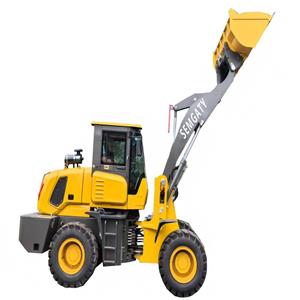
Complex construction terrain including rugged slopes gravel piles muddy roadways and uneven ground brings major operational challenges for loading machinery. Unstandardized driving and shoveling behaviors easily trigger side slipping body tilting and structural collision accidents. Strict compliance with professional safety rules reduces onsite risks and protects operating personnel and equipment assets. Standard terrain adaptation skills improve overall construction safety coefficient in harsh working environments.
Loader with scientific terrain operation modes maintains stable running status in various complex scenarios. Professional safety specifications greatly enhance operational reliability of engineering
Loader during long-term field construction.
Terrain judgment and pre-operation site checking serve as primary safety procedures for field construction. Operators conduct full onsite inspection before equipment startup to confirm ground hardness slope gradient and obstacle distribution. Hidden pits soft soil layers and accumulated water areas require marked isolation and route avoidance. Reasonable working path planning prevents sudden terrain changes from affecting equipment balance. Complete precheck mechanisms effectively reduce safety hazards for field operation of standard
wheel loader machine in mixed terrain environments. Careful site evaluation guarantees stable and safe construction progress of commercial
wheel loader machine on unpredictable ground conditions.
Speed control and steady traveling represent core safety principles for uneven terrain operation. Excess traveling speed amplifies body jitter and increases rollover risks on bumpy surfaces. Gentle constant speed movement reduces mechanical vibration and keeps gravity center stable during forward and backward traveling. Slow steering and mild direction adjustment avoid sharp body deflection on slopes and rugged ground. Stable traveling habits eliminate unbalanced force impact and protect structural safety of heavy-duty
big wheel loader in complex field environments. Reasonable speed management minimizes tilting and slipping risks of large-scale
big wheel loader under variable terrain conditions.
Slope operation standards regulate all lifting shoveling and traveling behaviors on inclined ground. Strict restriction of operation range prevents cross slope construction beyond safe gradient limits. Upward traveling maintains steady power output and uniform body balance while downward traveling avoids inertial sliding risks. All loading and unloading actions complete on flat and solid ground instead of slope surfaces. Gravity center adjustment through slow boom movement ensures balanced mechanical stress during all terrain adaptation processes. Compliance with slope rules effectively avoids rollover accidents and structural deformation caused by unbalanced bearing.
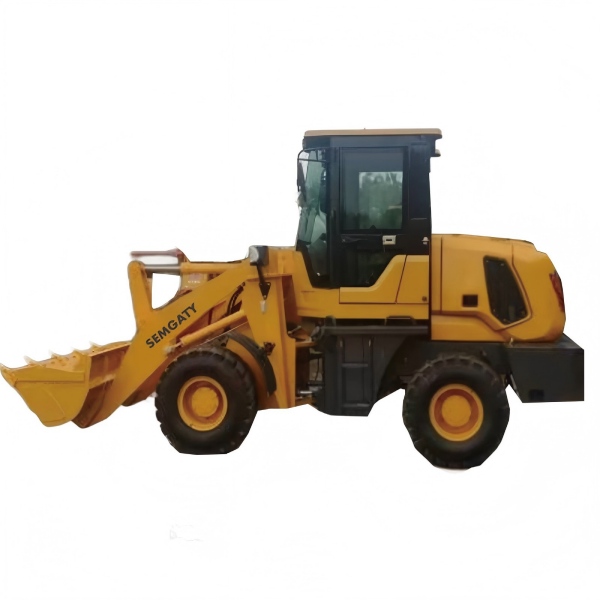
Muddy and wet terrain operation requires specialized anti slip strategies for loading equipment. Wet ground reduces friction coefficient and increases sliding probability during shoveling and traveling. Light load operation lowers overall equipment pressure and prevents deep tire sinking into soft soil. Continuous straight traveling avoids frequent steering which easily triggers lateral slipping. Timely cleaning of mud attachments on tires and chassis restores original ground friction performance. Slow and steady operation modes ensure effective control of mechanical movement on wet slippery construction surfaces.
Obstacle avoidance and field hazard prevention reduce collision and jolt damage in complex sites. Scattered stones protruding ground foundations and abandoned building residues create hidden collision risks. Full observation of surrounding environments helps operators adjust traveling routes in advance. Cross obstacle movements adopt low speed straight traveling to reduce instantaneous jolt impact. Avoidance of sharp turning near obstacles prevents tire clamping and body side scraping. Comprehensive hazard awareness greatly improves operation safety and reduces component abrasion in disordered construction fields.
Load adjustment adaptation matches equipment bearing state with variable terrain conditions. Overload operation raises gravity center and worsens stability on rugged and sloped ground. Proper load reduction improves overall mechanical balance and enhances anti rollover performance in complex terrain. Uniform material distribution inside buckets avoids unbalanced weight concentration during traveling and lifting. Flexible load management adapts to changing ground environments and maintains stable mechanical stress status throughout construction processes.
Chassis and tire condition inspection supports safe operation on complex ground structures. Tire pressure stability and complete tread patterns guarantee effective ground friction and anti slip capacity. Loose chassis components cause intensified vibration and unbalanced body stress during bumpy traveling. Regular fastening of chassis parts and timely detection of tire wear eliminate hidden safety dangers. Healthy walking systems provide reliable structural support for long-distance terrain crossing and repeated shoveling tasks.
Standard shoveling posture prevents partial force and sudden body tilt on uneven ground. Vertical bucket alignment and gentle ground contact reduce unilateral impact during material digging. Slow boom lifting and balanced bucket dumping avoid instantaneous gravity center shift. Uniform force bearing of whole machine stabilizes operation state on incomplete flat ground. Standard working gestures effectively reduce tilt risks and maintain mechanical balance during repeated loading cycles.
Real-time environment observation and flexible operation adjustment adapt to changing field conditions. Wind speed ground humidity and terrain fluctuation continuously affect equipment operation safety. Sensitive judgment of field changes allows timely adjustment of traveling speed load volume and working routes. Flexible operation strategies reduce accident probability caused by sudden environmental variations. Dynamic adaptation modes ensure continuous safety protection for all field construction stages.
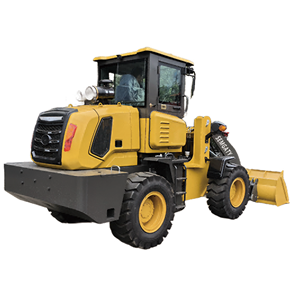
Professional operator awareness and standardized working discipline form long-term safety guarantee. Strict refusal of risky operations including overspeed overload and cross-limit slope work eliminates artificial safety hazards. Accumulated terrain operation experience improves response capability for sudden ground changes. Stable working mentality and rigorous operation habits maintain high safety standards throughout long-cycle complex terrain construction.
Complete safety operation systems effectively reduce equipment failure and accident frequency in complex working scenarios. Integration of terrain inspection speed control load adjustment and hazard avoidance forms full-range safety protection mechanisms. Scientific operation guidelines protect personnel safety reduce equipment damage and stabilize construction progress. Standardized terrain adaptation methods maximize working efficiency and operational safety of all loading machinery in harsh engineering environments.