Where Lies the High Cost-Effectiveness of Forklift Trucks: Extended Forklift, Telescopic Handler Forklifts and Extended Boom Forklift in 2026
In 2026, global construction, warehousing logistics, agriculture, and industrial production develop rapidly, increasing demand for efficient, versatile, cost-saving handling machinery. Extended forklift, telescopic handler forklifts, and extended boom forklift, as core forklift representatives, are favored for high cost-effectiveness. Unlike traditional forklifts limited by fixed lifting height and range, they rely on telescopic booms and multi-functionality to achieve higher efficiency at lower comprehensive costs. Combining 2026 market data and practical scenarios, this article analyzes their cost-effectiveness advantages.
Their high cost-effectiveness stems from "one machine with multiple uses", solving high investment from single-function equipment. Traditional forklifts only handle basic lifting; enterprises need multiple devices (cranes, loaders) to meet diverse needs, increasing purchase, storage, and transportation costs. These three forklifts integrate lifting, handling, and outreach, completing multiple tasks via attachment replacement, greatly reducing equipment quantity and investment.
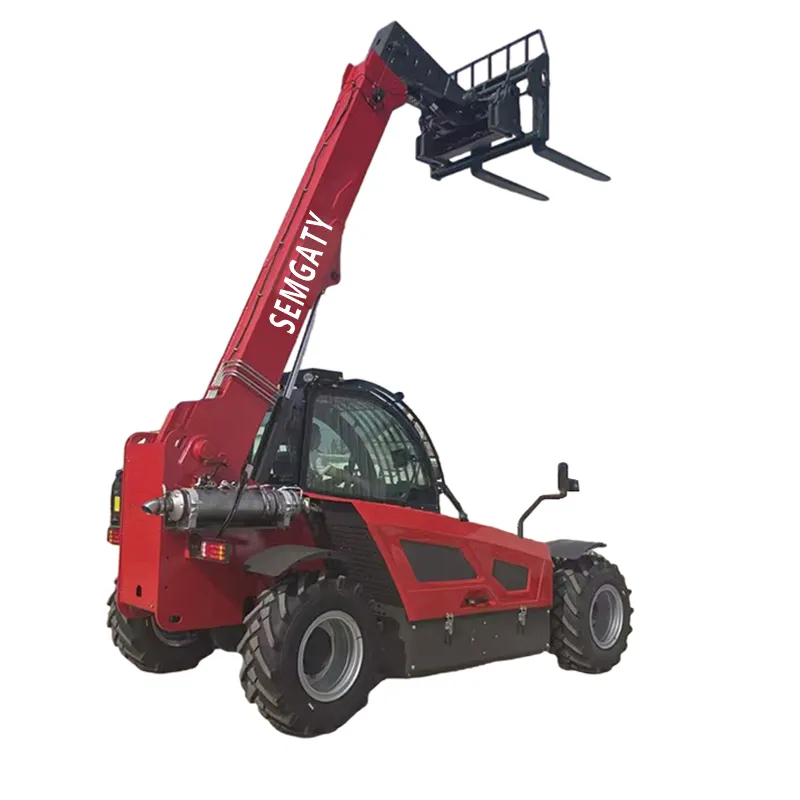
extended forklift achieves cost-effectiveness by breaking traditional lifting limits. Traditional forklifts have fixed masts (max 3-7.5m height), unable to handle ultra-high warehouse shelves or high-altitude construction materials. Its telescopic boom (max 18m height, 3-12m reach) completes ultra-high/long-distance handling easily, avoiding special lifting equipment purchase and reducing time costs. For 10-18m high warehouses, it directly stores/retrieves goods, more cost-effective than ordinary forklifts with auxiliary equipment.
telescopic handler forklifts highlight cost-effectiveness through strong terrain adaptability and flexibility, reducing harsh-environment losses. Traditional forklifts suit smooth surfaces, slipping/sticking on rough, muddy, or sloped terrain, delaying progress and increasing maintenance costs. Equipped with four-wheel drive and all-terrain tires, they operate stably in construction sites, farms, and mountains. Three steering modes enable precise lateral movement in narrow spaces, avoiding damage and inefficiency. 2026 data shows they cut operational losses by 25%-35% vs traditional forklifts in complex terrain.
extended boom forklift enhances cost-effectiveness via efficiency and labor savings. Its compact, flexible design completes handling/stacking quickly; the telescopic boom ensures precise material positioning, reducing damage. Intelligent operation systems (visual monitoring, hydraulic control) lower training costs, and one-person operation replaces 2-3 workers, cutting labor costs significantly for high-intensity projects.
Low long-term operational costs (maintenance, fuel, after-sales) are another core advantage. Compared with traditional equipment, these forklifts have simpler structures, fewer vulnerable parts, and lower maintenance difficulty. For example, extended boom forklifts use high-efficiency radiators, reducing maintenance frequency and costs. Their optimized power systems (mainly diesel, some electric) consume 30%-40% less fuel per hour than medium loaders, saving long-term fuel costs.
Major manufacturers offer complete after-sales networks: 24/7 technical support, timely spare parts, and on-site maintenance. Some Chinese brands provide 12-hour response, 48-hour solutions, and free parts replacement during warranty, reducing downtime losses and long-term costs, enhancing comprehensive cost advantages.
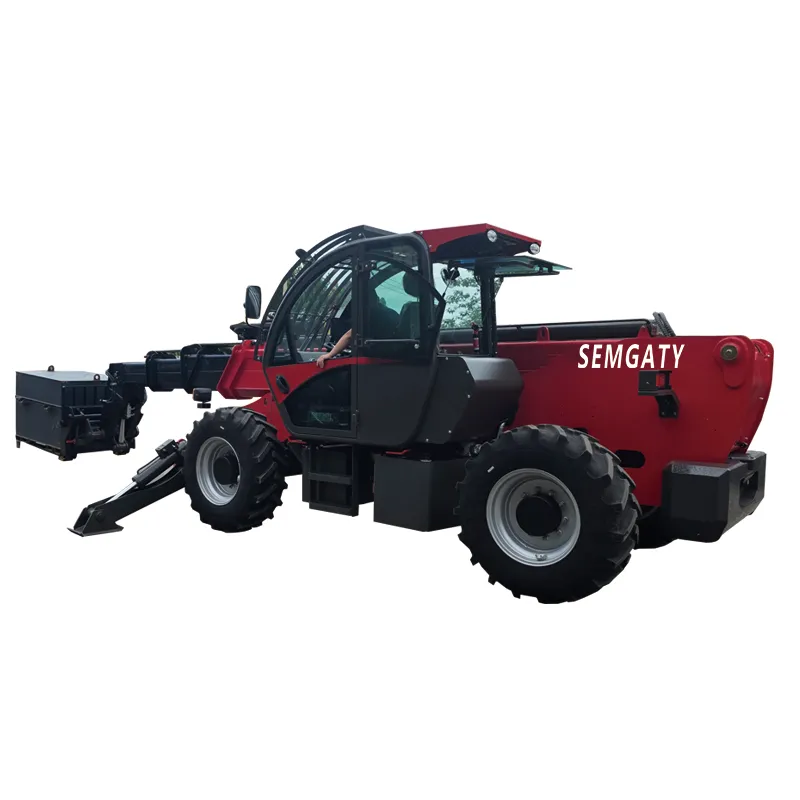
extended forklift excels in the rental market. For rental companies, it has low purchase costs, high rental rates (78% in 2026, 23% higher than traditional forklifts), and fast investment recovery. Low maintenance and stable performance reduce risks. For SMEs, renting is more cost-effective than purchasing, avoiding idle equipment waste.
telescopic handler forklifts have obvious cost-effectiveness in multi-scenario use. Widely applied in construction, agriculture, and warehousing, they maximize equipment value. In construction: material handling, high-altitude installation; in agriculture: hay stacking, fertilizer transport; in warehousing: ultra-high shelf access. Their 85% annual utilization rate (far higher than single-function machinery’s 50%-60%) boosts cost-effectiveness.
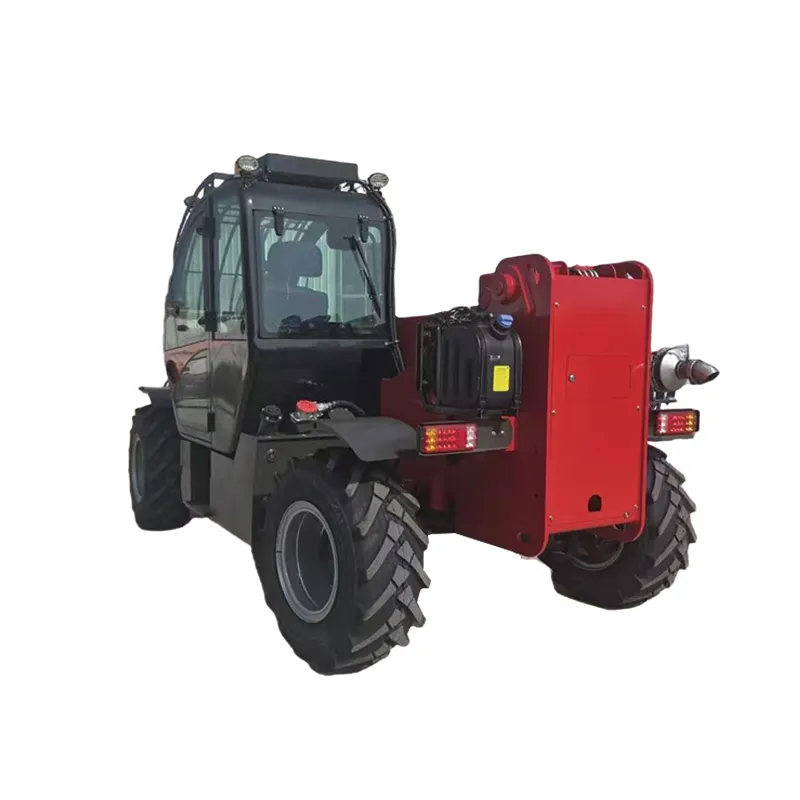
extended boom forklift optimizes cost-effectiveness with high load-bearing capacity (some 10-ton single-axle load) and stability, handling heavy materials without special equipment. Outriggers, frame leveling, and hydraulic stability systems prevent overturning and material damage, avoiding accident losses.
2026 technological upgrades further enhance cost-effectiveness. New models have intelligent safety systems (360° monitoring, blind spot warning) reducing accidents. Electric models (zero emissions, low noise) suit indoor/strict environmental areas, avoiding fines and expanding scenarios.
2026 global sales of these forklifts rose 34% year-on-year, with telescopic handler forklifts accounting for 45% of total forklift sales, reflecting high acceptance. In China, demand grew 30% driven by logistics, rural revitalization, and infrastructure, as enterprises choose them for cost-effectiveness.
In summary, their cost-effectiveness lies in: multi-functionality cutting equipment investment; telescopic booms breaking operation limits; strong terrain adaptability reducing losses; low long-term costs; wide applications improving utilization; intelligent upgrades and good after-sales enhancing advantages. In 2026 and beyond, they will remain core handling equipment globally.