

Which Bulldozer Components Need Regular Inspection
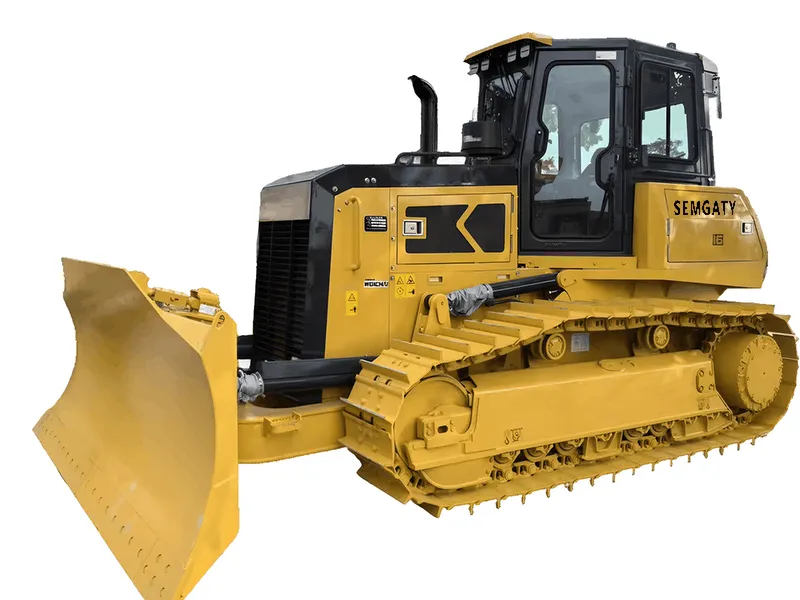
Regular inspection of bulldozer components is essential to ensure stable operation, extend service life, and avoid sudden failures. Different types of bulldozers, including crawler dozers, bulldozer machine, and compact dozers, share core components that require routine checks, while unique structural features also lead to specific inspection focuses. Identifying key components for regular inspection helps operators develop systematic maintenance habits, reduce repair costs, and ensure safe operation in various working scenarios. Inspection frequency and focus vary slightly by machine type but revolve around core functional parts.
Track systems are among the most critical components requiring regular inspection, especially for crawler dozers. Crawler dozers rely on track systems for movement and stability, and constant contact with rough terrain causes significant wear. Key inspection points include track links, pins, bushings, and rollers. Check for loose or missing track pins, excessive wear on links and bushings, and damage to rollers. Inspect track tension regularly—too loose causes derailment, while too tight increases friction and accelerates wear. Weekly inspections are recommended for track systems, with more frequent checks in harsh environments.
Engine components demand consistent inspection to maintain power output and prevent breakdowns. Regardless of bulldozer type, engines require checks of oil levels, air filters, fuel filters, and cooling systems. Check engine oil level and quality before each operation; replace oil and filters at specified intervals. Clean or replace air filters regularly to prevent dust from entering the engine and causing internal wear. Inspect cooling system for coolant levels, leaks, and radiator cleanliness to avoid overheating, which can damage engine components.
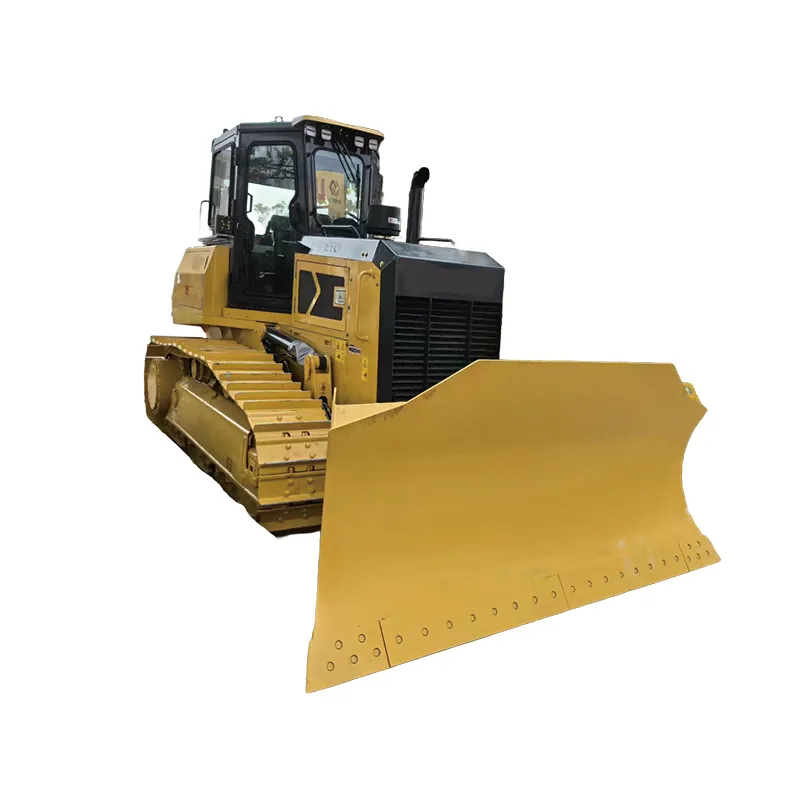
Hydraulic systems are the power core of bulldozers, so regular inspection of hydraulic components is non-negotiable. Inspect hydraulic hoses, seals, valves, and fluid levels before each use. Look for signs of leakage, such as wet spots or fluid drips, which indicate worn seals or damaged hoses. Check hydraulic fluid clarity—cloudy or contaminated fluid can clog valves and damage pumps. Replace hydraulic filters at recommended intervals and ensure fluid is filled to the correct level. Bulldozer machine often have more complex hydraulic systems, requiring extra attention to valve and pump performance.
Blade and ripper components, critical for earth-moving and pushing tasks, need regular wear checks. Inspect blade edges for dullness or damage; sharpen or replace blades when wear exceeds safe limits. Check ripper teeth (if equipped) for cracks, wear, or looseness—damaged teeth reduce efficiency and can cause further damage to the ripper arm. Inspect pins and bushings connecting the blade and ripper to the machine for wear or play; lubricate these components regularly to ensure smooth movement and prevent seizing.
Compact dozers, with their small size and light load, require focused inspection of undercarriage and steering components. Compact dozers often use rubber tracks or small metal tracks, which wear differently than large crawler dozers. Check rubber tracks for cracks, tears, or missing segments; inspect metal tracks for link wear and roller functionality. Steering components, including steering cylinders and linkages, need regular checks for leaks and tightness to ensure flexible maneuverability in narrow spaces.
Electrical components, though often overlooked, are vital for bulldozer operation and require routine inspection. Check battery terminals for corrosion, loose connections, and charge levels—weak batteries can cause starting failures. Inspect wiring harnesses for damage, fraying, or loose connections, which can lead to short circuits or malfunctioning of control systems. Check lights, gauges, and sensors to ensure they function properly; faulty sensors can provide incorrect readings, leading to improper operation or component damage.
Transmission and gearbox components need regular inspection to ensure smooth power transfer. Check transmission fluid level and quality; replace fluid and filters at specified intervals. Inspect gearbox for leaks and abnormal noises during operation—unusual sounds may indicate worn gears or bearings. For crawler dozers, inspect the final drive assembly, which connects the transmission to the tracks, for leaks and proper lubrication to prevent overheating and component failure.
Suspension components, while less prominent, play a key role in machine stability and operator comfort. Inspect shock absorbers and springs for damage, wear, or leaks. Check for loose or damaged suspension brackets, which can affect machine balance and lead to uneven wear on other components. For compact dozers used in uneven terrain, suspension inspections are especially important to maintain maneuverability and prevent component strain.
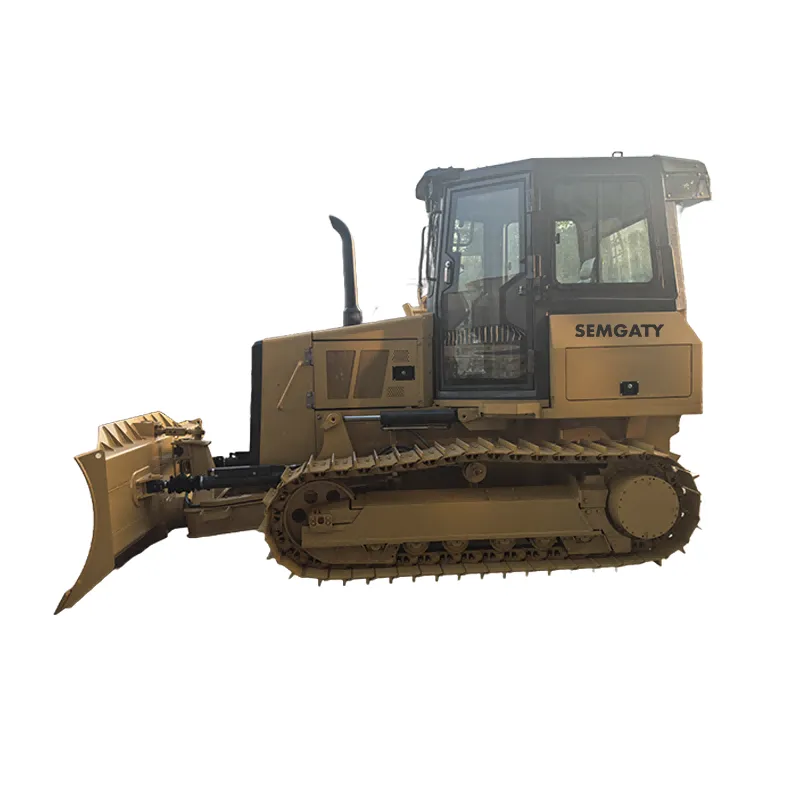
Fuel system components require regular checks to ensure consistent fuel supply and combustion. Inspect fuel tanks for leaks, corrosion, or debris accumulation. Clean fuel lines and check for blockages that can restrict fuel flow. Inspect fuel injectors for clogs or damage—faulty injectors reduce fuel efficiency and can cause engine misfires. For all bulldozer types, use clean, high-quality fuel to minimize fuel system wear and maintain engine performance.
Seals and gaskets are small but critical components that prevent fluid leakage and protect internal parts from dust and debris. Inspect all seals, including hydraulic seals, engine gaskets, and transmission seals, for cracks, hardening, or wear. Replace worn seals promptly to avoid fluid loss and contamination of internal components. Bulldozer machine operating in wet or dusty environments may require more frequent seal inspections to prevent premature failure.
Operator controls and safety components must be inspected regularly to ensure safe operation. Check steering wheels, levers, and pedals for smooth movement and proper functionality. Inspect safety features such as seat belts, rollover protection structures (ROPS), and emergency stop buttons to ensure they work correctly. Faulty controls or safety components can lead to accidents, so immediate repair or replacement is necessary if issues are found.
Lubrication points throughout the bulldozer require regular inspection to ensure proper lubrication. Check all grease fittings, including those on track pins, blade hinges, and steering components, for clogs or damage. Apply grease at recommended intervals to reduce friction and wear between moving parts. Crawler dozers have more lubrication points due to their complex track systems, requiring extra attention to ensure all components are properly greased.
In summary, regular inspection of bulldozer components focuses on track systems, engines, hydraulic systems, blades, electrical parts, and transmission components. Crawler dozers, bulldozer machine, and compact dozers share core inspection needs, with slight variations based on structural differences. By prioritizing these components and conducting routine checks, operators can prevent unexpected failures, extend machine service life, and ensure safe, efficient operation in all working scenarios. Consistent inspection is the foundation of effective bulldozer maintenance.