Which Bulldozers Require the Highest Maintenance Frequency
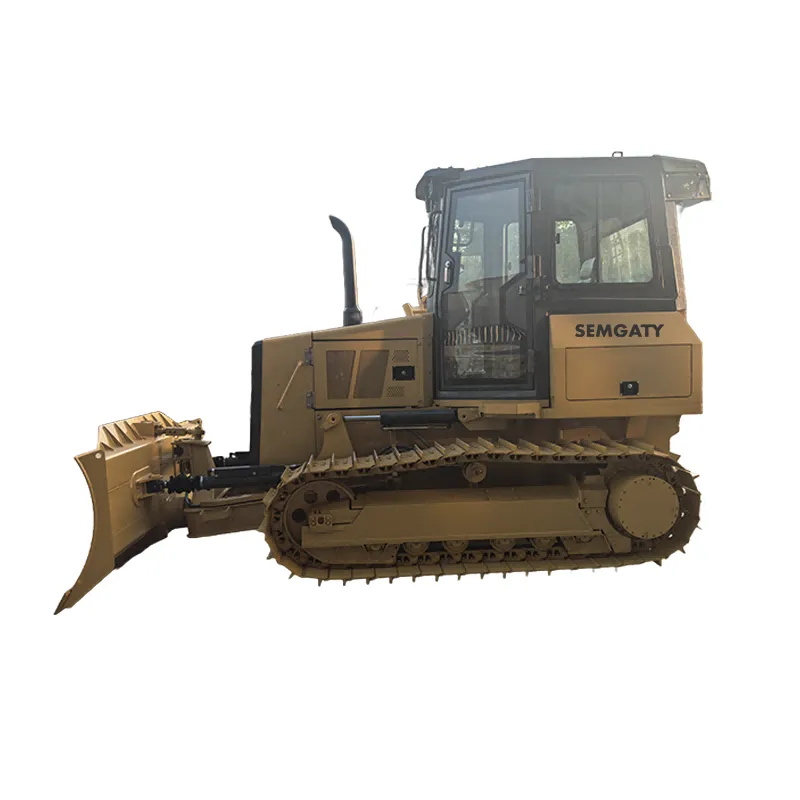
Maintenance frequency of bulldozers varies significantly based on machine type, working environment, and operational intensity.
crawler dozers,
bulldozer machine, and
compact dozers each have distinct structural designs and application scenarios, leading to differences in wear rates and maintenance needs. Identifying which type requires the highest maintenance frequency helps operators and managers develop reasonable maintenance plans, extend machine service life, and avoid unexpected failures. Maintenance frequency is closely related to component wear, working conditions, and structural complexity.
Among three types,
crawler dozers generally require the highest maintenance frequency, mainly due to complex track structures and harsh working environments. Crawler dozers are often used in outdoor engineering projects such as mining, road construction, and slope leveling, where they face soft soil, sharp rocks, and uneven terrain. Track components, including track links, pins, and bushings, suffer severe friction and impact during operation, requiring regular inspection and lubrication to prevent wear and looseness.
Track system maintenance of crawler dozers is the most frequent task. Track links and bushings wear quickly due to constant contact with hard materials, requiring weekly inspection for looseness, deformation, or excessive wear. Lubrication of track pins and rollers needs to be done every 20 to 30 working hours to reduce friction and prevent seizing. In dusty or wet environments, track cleaning and lubrication frequency must be increased to avoid soil or water entering components and accelerating wear.
Hydraulic system of crawler dozers also requires frequent maintenance. Crawler dozers rely heavily on hydraulic systems to drive blades, rippers, and track movement. High working pressure and long-term operation cause hydraulic hoses, seals, and valves to wear or age easily. Hydraulic fluid needs to be checked and replaced every 500 working hours, and filters should be replaced regularly to prevent contamination. Leakage inspection of hydraulic pipelines should be conducted daily before operation to avoid fluid loss and system failure.
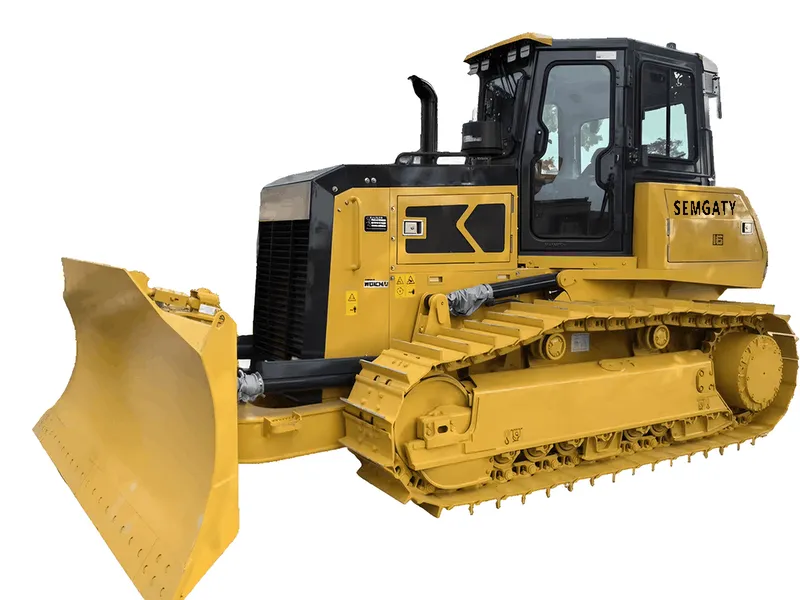
Bulldozer machine, as standard versatile models, have moderate maintenance frequency, lower than crawler dozers but higher than compact dozers. Bulldozer machine are used in general construction scenarios such as site leveling and material pushing, with relatively mild working conditions compared to crawler dozers. Their maintenance focuses on engine, hydraulic system, and blade components, with regular inspections and replacements at fixed intervals.
Engine maintenance of bulldozer machine is a key task with regular frequency. Engine oil needs to be replaced every 250 to 300 working hours, and air filters should be cleaned or replaced every 100 working hours, especially in dusty environments. Spark plugs, fuel injectors, and fuel filters require inspection every 500 working hours to ensure stable engine performance. Cooling system inspection, including coolant level and radiator cleanliness, should be done weekly to prevent overheating.
Blade and ripper maintenance of bulldozer machine is also necessary but less frequent than track maintenance of crawler dozers. Blade edges wear gradually during pushing and leveling operations, requiring sharpening or replacement every 800 to 1000 working hours. Ripper teeth, if equipped, need to be inspected for wear every 300 working hours and replaced when necessary. Pin and bushing connections between blade and arm should be lubricated every 50 working hours to ensure flexible movement.
Compact dozers have the lowest maintenance frequency among three types, thanks to small size, simple structure, and mild working environments. Compact dozers are mainly used in small-scale scenarios such as farmland improvement, orchard management, and urban greening, where they encounter less harsh conditions and lighter loads. Their maintenance focuses on basic checks and simple component replacements, with longer intervals between major maintenance tasks.
Maintenance of compact dozers mainly includes engine and hydraulic system checks. Engine oil replacement interval can be extended to 300 to 350 working hours, and air filters only need cleaning or replacement every 150 working hours. Hydraulic fluid replacement is required every 600 working hours, and leakage inspection is conducted every few days. Due to small size and light load, track or wheel components of compact dozers wear slowly, requiring inspection every 100 working hours.
Working environment significantly affects maintenance frequency of all bulldozer types. Crawler dozers operating in mining areas or construction sites with large amounts of dust and rocks need 20% to 30% higher maintenance frequency than those in mild environments. Bulldozer machine working in wet or corrosive areas require more frequent inspection of metal components to prevent rust. Compact dozers used in farmland with more soil and vegetation need regular cleaning of undercarriage components to avoid clogging.
Operational intensity also impacts maintenance frequency. Bulldozers working continuously for long hours or under heavy loads wear components faster, requiring shorter maintenance intervals. For example, crawler dozers used for 10 or more hours per day need track lubrication every 15 working hours instead of 20 to 30. Bulldozer machine engaged in heavy-load pushing tasks need engine oil replacement every 200 working hours to ensure lubrication effect.
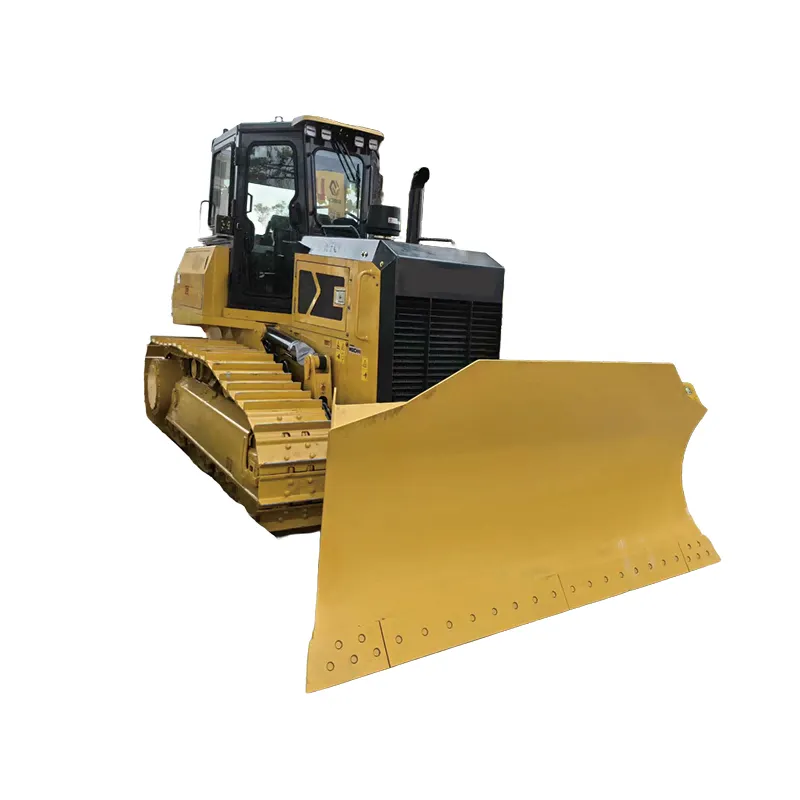
Regular inspection is crucial to adjusting maintenance frequency. Daily pre-operation checks, including fluid levels, component tightness, and abnormal noises, help detect potential problems early and avoid excessive wear. Weekly comprehensive inspections focus on key components such as tracks, hydraulic systems, and engines. Monthly inspections involve more in-depth checks, such as gearbox oil replacement and component alignment, to maintain machine performance.
Proper maintenance methods can reduce actual maintenance frequency while ensuring machine reliability. Using high-quality lubricants, filters, and replacement parts extends component service life. Regular cleaning of machine surfaces and undercarriage prevents dust and debris accumulation. Skilled operation, such as avoiding sudden starts and stops, reduces component impact and wear, especially for crawler dozers with fragile track systems.
In summary,
crawler dozers require the highest maintenance frequency due to complex track structures and harsh working environments, followed by
bulldozer machine with moderate maintenance needs, and
compact dozers with the lowest frequency. Maintenance frequency also depends on working environment and operational intensity. Reasonable maintenance plans based on machine type and actual conditions can extend service life, reduce failure rates, and ensure stable operation of all bulldozer types.