Which to Choose Between Diesel Forklifts and Electric Forklifts: Forklift Equipment, Warehouse Forklift and Industrial Forklift in 2026
In 2026, global warehousing logistics, industrial production, and construction develop rapidly, increasing demand for forklift equipment. As core members of forklift equipment, warehouse forklift and industrial forklift are widely used, and their power forms (diesel and electric) are key for purchase decisions. Diesel and electric forklifts have unique advantages and applicable scenarios; rational selection depends on matching performance with operational needs, scenarios, and budgets. Combining 2026 market data and cases, this article compares the two to clarify selection logic.
First, clarify the core positioning of forklift equipment, warehouse forklift, and industrial forklift.
forklift equipment is a general term for handling machinery (diesel, electric) used for lifting, handling, and stacking, applied in warehouses, factories, and construction sites.
warehouse forklift focuses on indoor warehousing, emphasizing flexibility, environmental protection, and efficiency for stacking and short-distance handling.
industrial forklift applies to indoor and outdoor industrial scenarios, focusing on load-bearing, durability, and adaptability. Choosing diesel or electric depends on their specific scenarios, operation intensity, environmental requirements, and long-term costs.
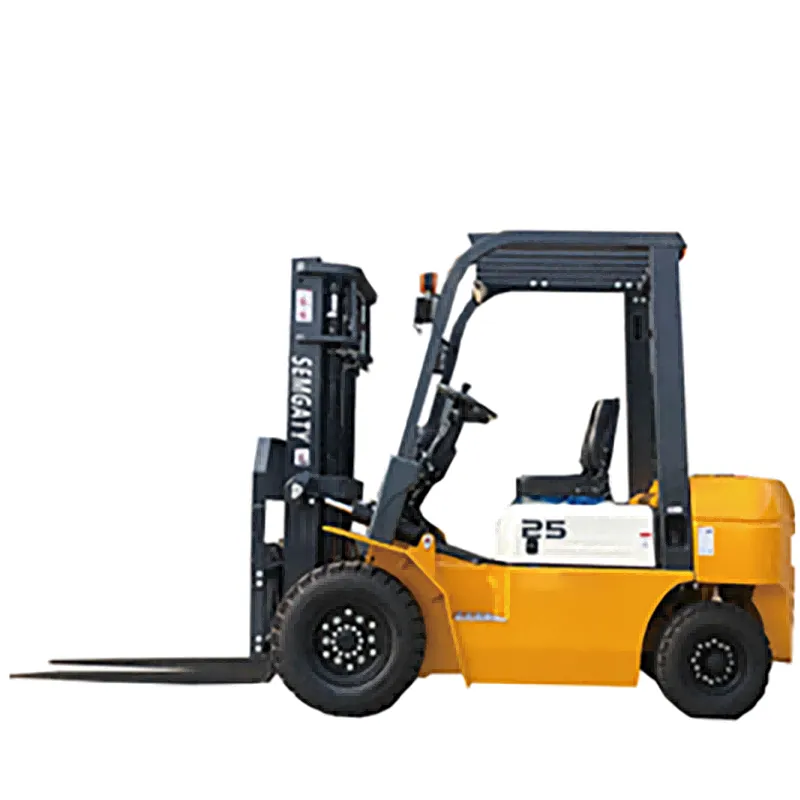
Diesel forklifts, a traditional power type of forklift equipment, suit outdoor, heavy-duty, and continuous operation. Their core advantages are strong power, stable performance, and no operation time limit. Equipped with diesel engines, they have excellent low-speed overload capacity, handling 0.5-45 tons of goods, ideal for industrial forklift heavy-duty scenarios. No charging is needed—fuel is added quickly for 24-hour continuous operation, adapting to high-intensity shifts in construction sites, ports, and heavy industrial factories. They also operate stably in high-temperature, low-temperature, muddy, and dusty outdoor environments, reducing downtime.
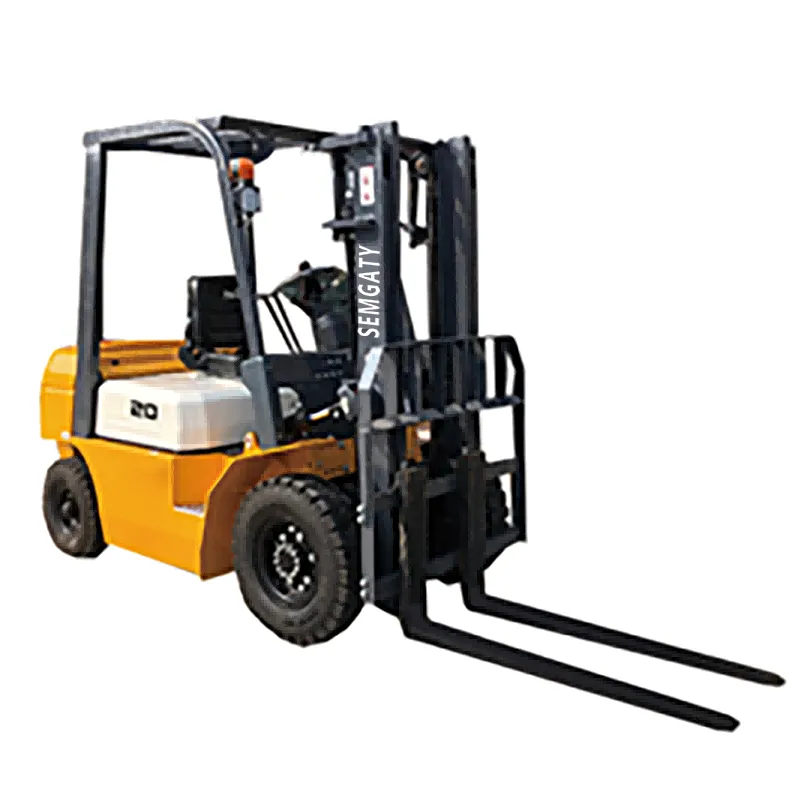
However, diesel forklifts have obvious limitations. They cause serious environmental pollution, emitting exhaust and producing noise above 85 decibels, unsuitable for indoor or strict environmental areas (food, medicine, precision electronic warehouses) to avoid goods and environment pollution. Long-term operation costs are high: average fuel consumption is 2.15 liters per hour, with an hourly operating cost of about 16.5 yuan, much higher than electric forklifts. Their complex structure has more vulnerable parts, requiring regular filter and engine maintenance, increasing long-term burdens.
Electric forklifts, a green energy forklift equipment, have become the mainstream warehouse forklift, with growing market share (72% in 2026). Powered by batteries, they have zero emissions and noise below 65 decibels, suitable for indoor operations, especially clean warehouses. Compact and flexible with a small turning radius, they shuttle freely in narrow warehouse aisles, improving handling efficiency.
The core advantage of electric forklifts is low long-term costs and simple maintenance. A full charge (20-25 degrees) runs 6-8 hours, with an hourly power cost of about 1.72 yuan, saving 14.8 yuan per hour and nearly 22,000 yuan per year compared to diesel forklifts. Their simple structure has fewer vulnerable parts, requiring only regular battery inspection and charging, reducing maintenance frequency and costs.
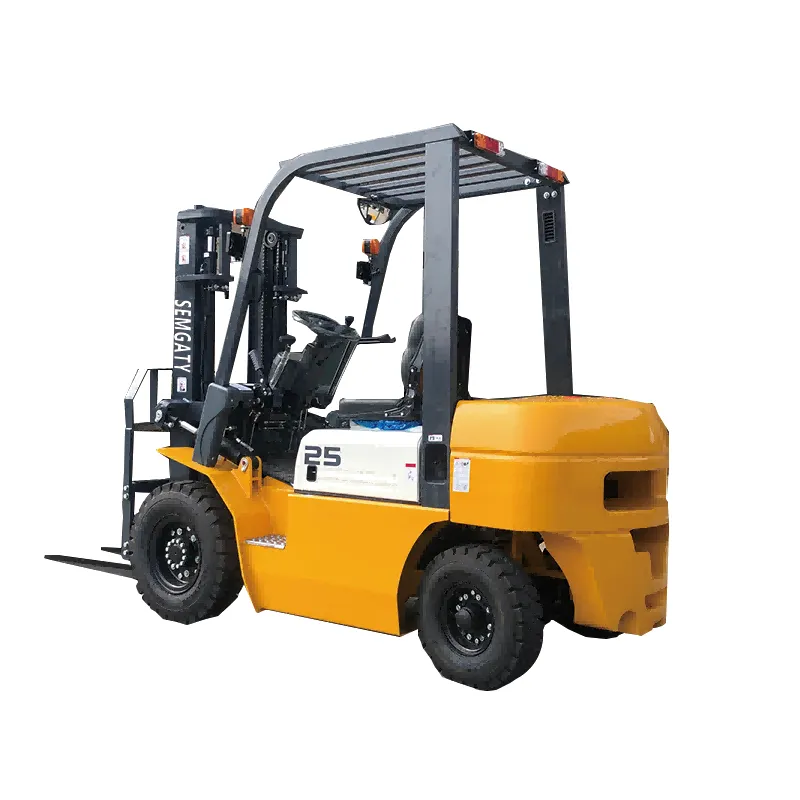
Electric forklifts also have limitations. Most suit light/medium-duty operations (below 3 tons), unable to meet heavy-duty needs above 5 tons. They need 8-10 hours of charging, unsuitable for 24-hour continuous operation. Batteries have a 3-5-year life with high replacement costs. They perform poorly in harsh outdoor environments, with reduced efficiency in extreme temperatures or rainy/snowy conditions.
Combined with
forklift equipment scenarios: electric forklifts are first-choice for indoor warehousing (warehouse forklift). In modern, high-density, and clean warehouses, their environmental protection, low noise, flexibility, and low cost match stacking and handling needs. For example, they avoid goods pollution in food/medicine warehouses and improve space utilization in narrow-aisle warehouses. 2026 green logistics policies promote "full electric" configurations in large warehouses.
Diesel forklifts are more suitable for outdoor, heavy-duty, high-intensity scenarios (industrial forklift). In construction sites, ports, and mines, industrial forklift handles heavy goods (steel, building materials) in complex environments. Diesel forklifts’ strong power, stability, and no charging limit meet continuous operation needs, easily handling over 5 tons of goods and operating stably in harsh environments. 2025 data shows global diesel industrial forklift demand increased by 12.7% year-on-year.
Selection also considers budget and policies. SMEs with limited initial investment prefer electric forklifts (lower purchase cost) for light operations. Enterprises with high intensity and loose environmental requirements benefit from diesel forklifts in the short term, but electric forklifts are better long-term. Many regions promote forklift equipment electrification with subsidies, making electric forklifts more cost-effective for enterprises there.
warehouse forklift and
industrial forklift have different priorities. Warehouse forklift values environmental protection, flexibility, and cost, so electric forklifts are more cost-effective; industrial forklift values power, load-bearing, and adaptability, so diesel forklifts suit outdoor heavy-duty scenarios. 2026 upgrades have launched large-tonnage electric forklifts (above 5 tons), partially meeting industrial forklift heavy-duty needs with green and low-cost advantages.
forklift equipment has diversified in 2026, with diesel and electric forklifts coexisting. Blindly choosing either is unwise; comprehensive consideration includes scenario (indoor/outdoor), intensity (light/heavy), load-bearing, environmental requirements, budget, and policies. Small, light, strict-environment warehouses choose electric; outdoor heavy-duty sites choose diesel; large enterprises can mix configurations.
2026 global electric forklift sales increased by 38% year-on-year (72% of total forklift equipment), while diesel forklifts increased by 15% (concentrated in industrial heavy-duty scenarios). In China, electric warehouse forklift demand rose 42%, diesel industrial forklift 18%, reflecting rational allocation.
In summary, selection depends on forklift equipment, warehouse forklift, and industrial forklift needs. Electric forklifts suit indoor, light/medium-duty, environmental scenarios, ideal for warehouse forklift; diesel forklifts suit outdoor, heavy-duty, continuous scenarios, ideal for industrial forklift. 2026 and beyond, electric forklifts will expand, but diesel forklifts remain irreplaceable in heavy-duty industry. Choosing the right power type maximizes forklift equipment value.