
03-31/2026
Proper cleaning, fluid care, battery maintenance, and storage protect huge wheel loader, huge front loader, and loader, ensuring durability and reliable performance.Maintenance Steps Before Long-Term Storage of Wheel Loaders
(huge wheel loader / huge front loader / loader)
Introduction
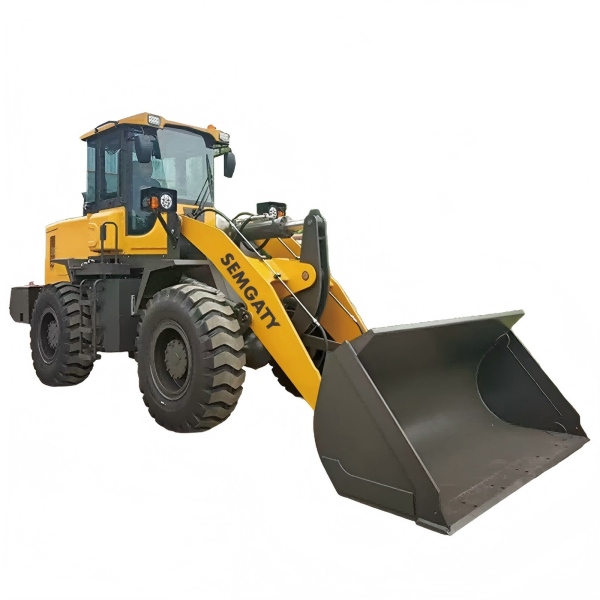
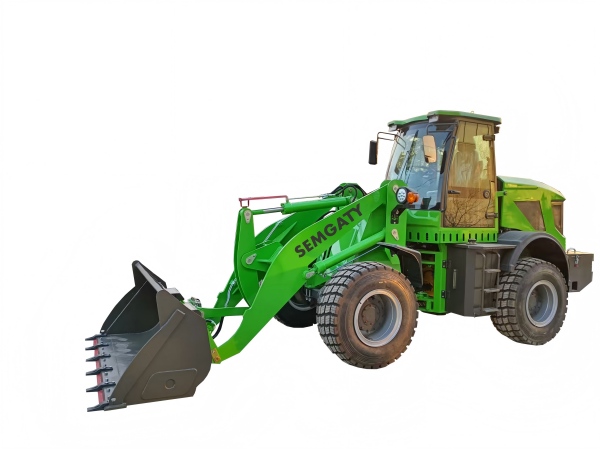
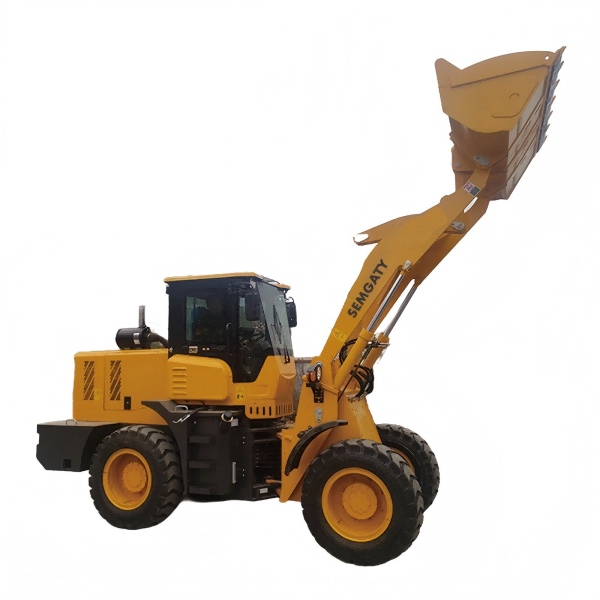
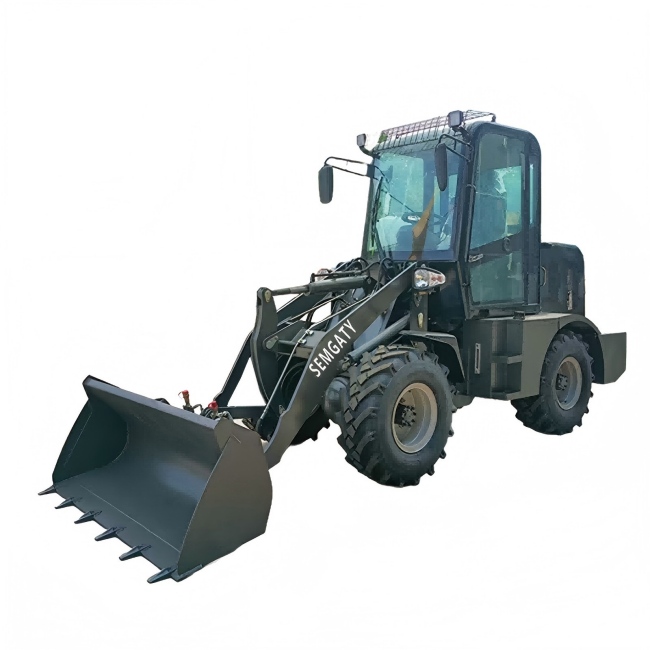
In construction, mining, and infrastructure projects, a huge wheel loader, huge front loader, and loader often face periods of inactivity due to seasonal changes or project delays. Proper maintenance before long-term storage is essential to protect machine performance and extend service life.
Neglecting storage preparation may lead to corrosion, battery damage, hydraulic failure, and increased repair costs. Preparing a huge wheel loader, huge front loader, and loader correctly ensures reliable operation when work resumes.
This article provides a complete guide to maintaining a huge wheel loader, huge front loader, and loader before long-term storage, helping global buyers reduce downtime and maintenance costs.
Step 1: Thorough Cleaning of the Machine
Before storage, a huge wheel loader, huge front loader, and loader should be cleaned thoroughly. Dirt, grease, and debris can trap moisture and cause corrosion.
Special attention should be given to the undercarriage, bucket, joints, and engine compartment of a huge wheel loader. Removing contaminants ensures that a loader remains in good condition during storage.
After cleaning, drying the huge front loader completely prevents rust formation and protects metal surfaces.
Step 2: Engine and Fuel System Protection
Engine protection is critical for a huge wheel loader, huge front loader, and loader during long-term storage.
Replace engine oil and filters to remove contaminants. Fill the fuel tank to prevent condensation, and consider adding fuel stabilizer for a huge wheel loader.
Running the engine briefly allows the new oil to circulate throughout the loader, ensuring internal components remain lubricated. Proper engine care prevents startup issues after storage.
Step 3: Hydraulic System Maintenance
The hydraulic system is vital for a huge front loader, huge wheel loader, and loader.
Check hydraulic oil levels and replace contaminated oil if necessary. Inspect hoses and seals for leaks. Applying protective oil to exposed cylinder rods helps prevent rust.
Lowering attachments to relieve pressure ensures that a huge wheel loader hydraulic system remains stable during storage. Proper maintenance avoids costly repairs for a loader.
Step 4: Battery Maintenance
Battery care is essential for a huge wheel loader, huge front loader, and loader.
Disconnect the battery or remove the battery for separate storage. Keep the battery charged periodically to prevent capacity loss.
Cleaning battery terminals prevents corrosion and ensures reliable performance when the huge wheel loader returns to operation.
Step 5: Tire and Structure Protection
Tires and structural components of a huge wheel loader, huge front loader, and loader require proper protection.
Inflate tires to recommended pressure and consider lifting the huge front loader slightly to reduce tire load.
Apply anti-rust coatings to exposed metal parts. Covering the loader protects paint and prevents weather damage.
Step 6: Storage Environment Selection
Choosing the right storage environment is crucial for a huge wheel loader, huge front loader, and loader.
Indoor storage is ideal, protecting the huge wheel loader from rain, sunlight, and extreme temperatures. If indoor storage is not available, use waterproof covers for the loader.
A dry and ventilated area reduces moisture buildup and preserves machine condition.
Step 7: Regular Inspection During Storage
Even during storage, a huge wheel loader, huge front loader, and loader should be inspected regularly.
Start the engine periodically and move the machine slightly to prevent component seizure. Check fluid levels and battery condition for a huge front loader.
Routine inspection ensures that a loader remains ready for immediate use when required.
Recommended Product Categories
To explore high-quality machines designed for durability and easy maintenance, visit:
Huge Wheel Loader Series: /products/huge-wheel-loader
Huge Front Loader Models: /products/huge-front-loader
Loader Equipment Collection: /products/loader
These product categories provide reliable solutions for global buyers seeking durable and efficient huge wheel loader, huge front loader, and loader options.
Conclusion
Proper maintenance before long-term storage is essential for preserving the performance of a huge wheel loader, huge front loader, and loader.
Cleaning, engine protection, hydraulic care, battery maintenance, and proper storage conditions all contribute to long-term reliability.
Following these steps ensures that a huge wheel loader, huge front loader, and loader remain efficient, durable, and ready for future operations, maximizing return on investment.